Information
City: SapporoCountry: Japan
Continent: Asia
Sapporo, Japan, Asia
Sapporo is the capital of Hokkaido and Japan’s fifth-largest city. Unlike the ancient capitals of the south, Sapporo is a modern, planned city known for its grid-like streets, vast parks, and intense winters. In 2026, it is serving as a major testing ground for Japan’s "Digital Year" initiatives and remains the primary gateway to Hokkaido's wilderness.
Historical Timeline
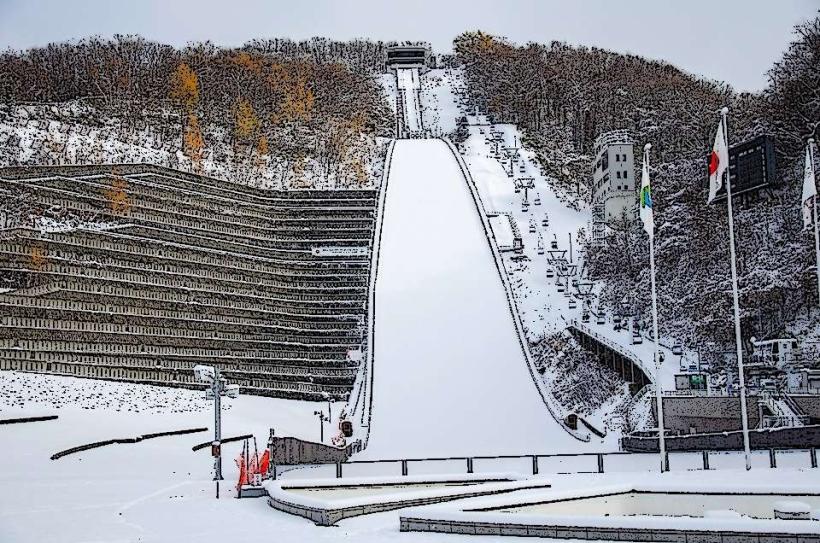
Sapporo is a relatively young city, with major development beginning only in 1869 under the Hokkaido Development Commission. It gained international fame as the first Asian city to host the Winter Olympics in 1972. In 2026, the city is celebrating the 50th anniversary of its iconic Snow Festival's modern format and is undergoing significant preparation for the expansion of the Hokkaido Shinkansen, aimed at connecting Sapporo directly to Tokyo by 2030.
Demographics & Population
The 2026 estimated metro population is approximately 2.64 million, reflecting a minor annual decline of 0.3%. Despite national trends, Sapporo remains a high-growth magnet for Hokkaido’s regional population due to its robust service economy and educational institutions like Hokkaido University.
Urban Layout & Key Districts
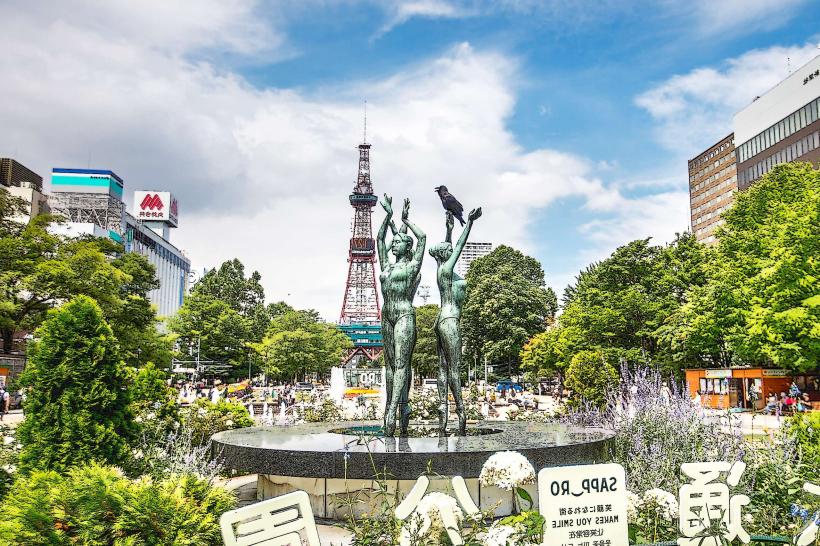
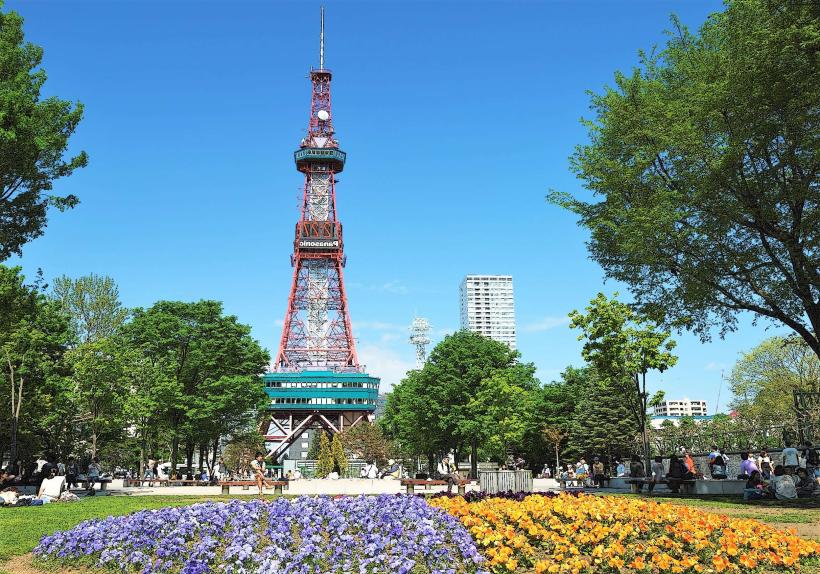
Chuo-gu: The city center containing Odori Park, the TV Tower, and the historic Clock Tower.
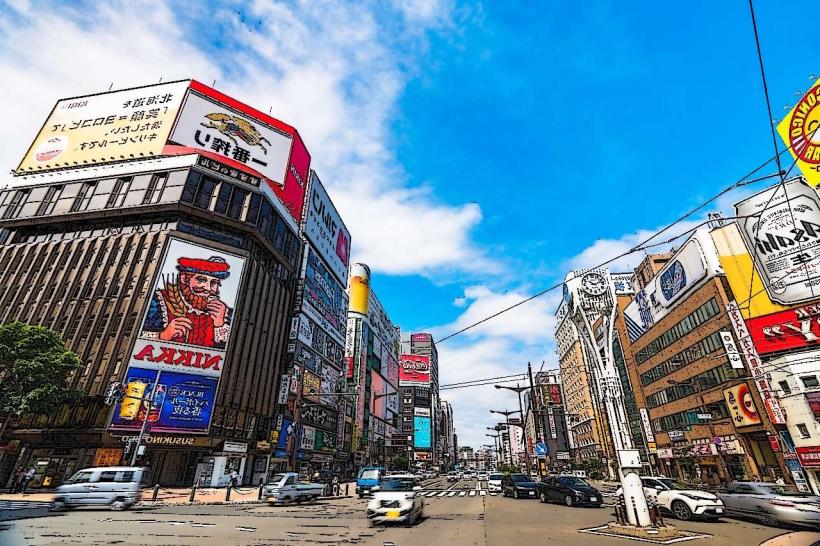
Susukino: Japan’s largest entertainment district north of Tokyo, famous for neon lights, ramen alleys, and nightlife.
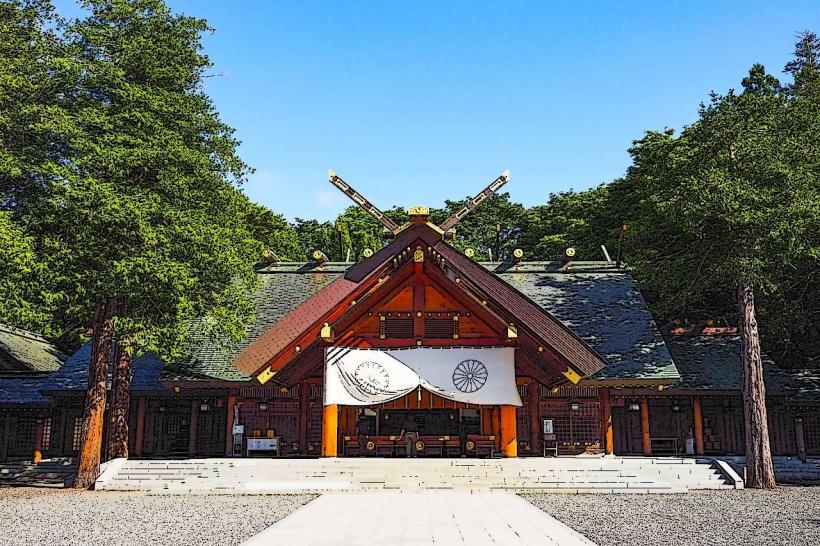
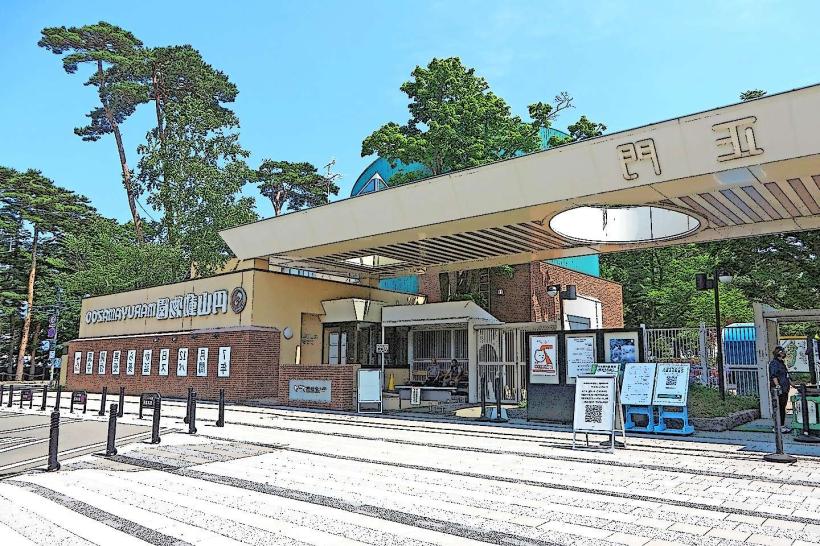
Maruyama: An upscale residential area known for Maruyama Park, the Hokkaido Jingu Shrine, and the city zoo.
Jozankei: A scenic hot spring resort district located within the city limits, roughly one hour from the center.
Top City Landmarks
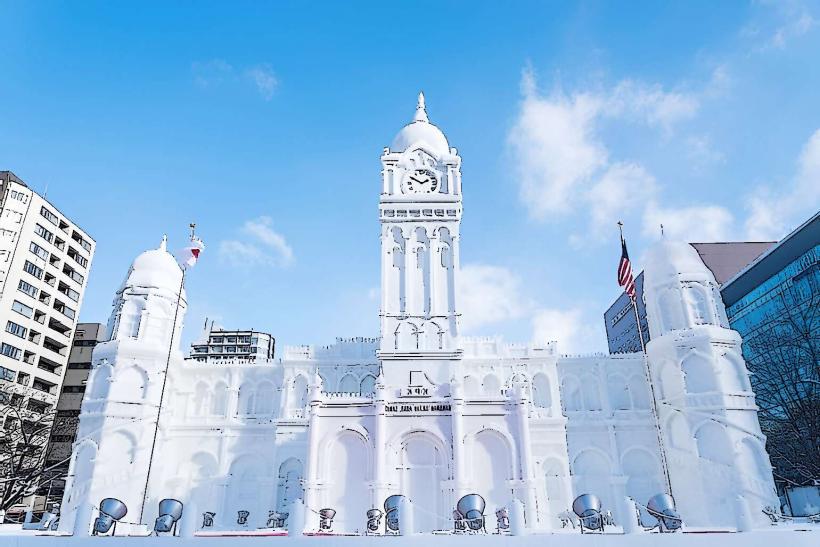
Sapporo Snow Festival (Odori & Susukino Sites): Running Feb 4–11, 2026, featuring massive snow sculptures and ice carvings.
Odori Park: A 1.5km green belt that bisects the city and serves as the main festival venue.
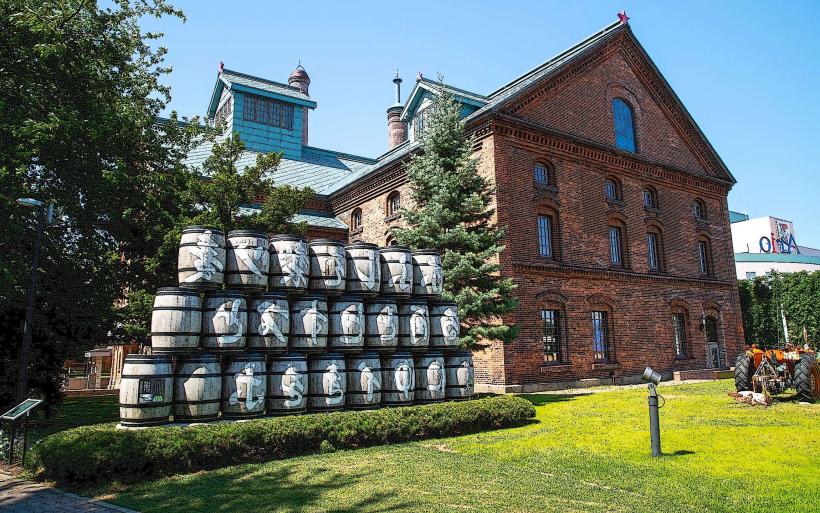
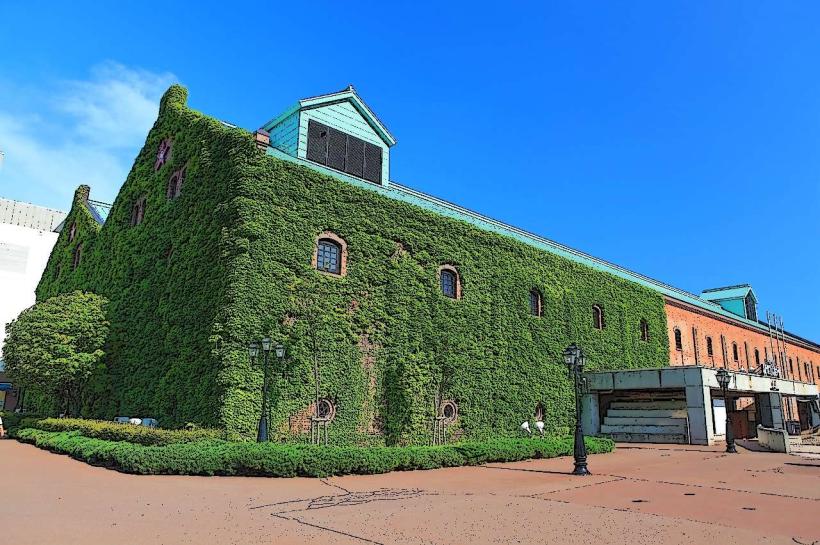
Sapporo Beer Museum: The only beer museum in Japan, housed in a historic 19th-century brick building.
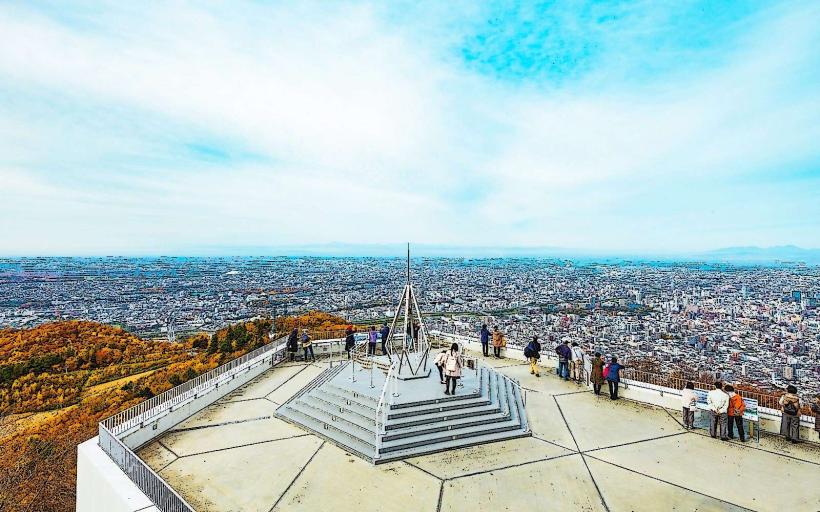
Mt. Moiwa: Offers one of Japan’s "New Three Major Night Views" via a ropeway.
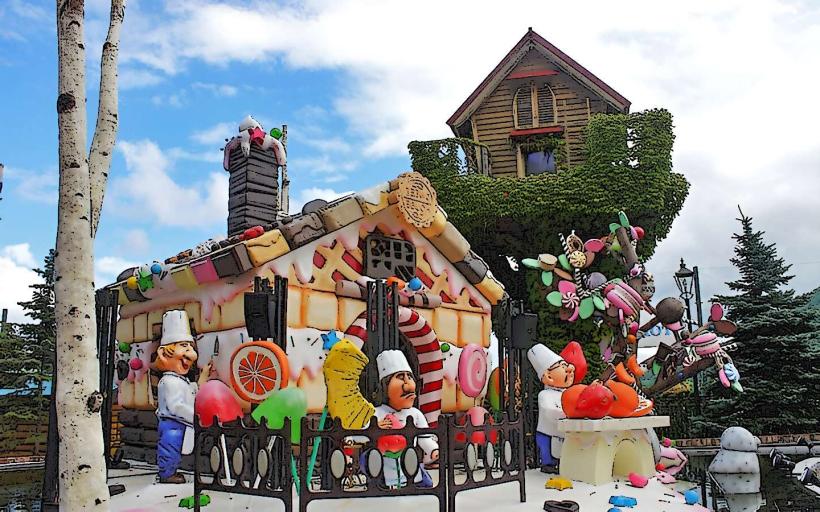
Shiroi Koibito Park: A chocolate-themed amusement park and factory.
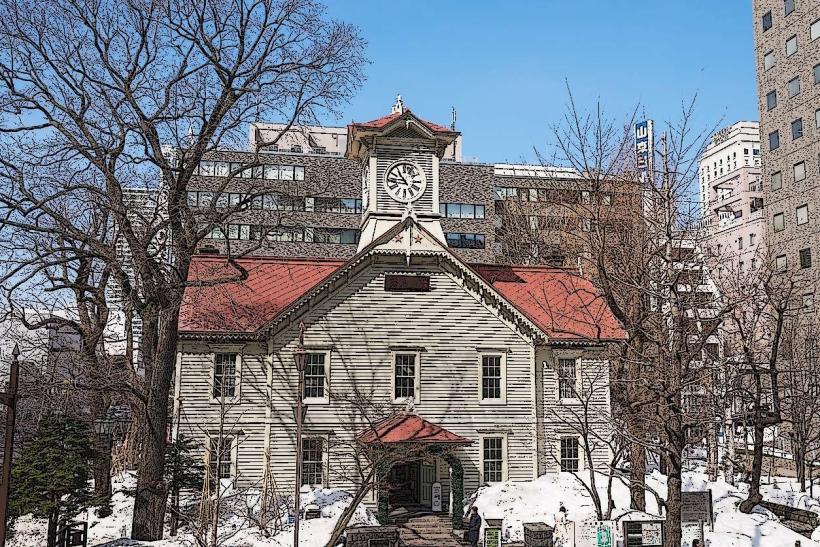
Clock Tower (Tokeidai): Built in 1878, it is the oldest standing structure in the city.
Transportation Network
Air: New Chitose Airport (CTS) connects to central Sapporo via the JR Rapid Airport train in 37 minutes.
Subway: Three lines (Namboku, Toho, and Tozai) form a highly efficient central grid.
Streetcars: A loop line serves the southwestern part of the city, including vintage and modern "low-floor" models.
Underground Walkways: An extensive network of tunnels (Pole Town and Aurora Town) allows residents to traverse the city center without surfacing in the snow.
Safety & "Red Zones"
Sapporo remains one of the safest cities globally. There are no "red zones."
Winter Safety: The primary danger in 2026 is black ice on sidewalks. Visitors are advised to use "detachable spikes" sold at convenience stores.
Susukino: While safe, tourists should ignore street touts offering "special deals" at bars to avoid overcharging.
Digital & Financial Infrastructure
As part of the 2026 Digital Asset Reform:
DCJPY: Japan Post Bank is launching its deposit-backed digital yen in 2026, which is integrated into Sapporo’s local government subsidy systems.
Payments: Mobile Suica/Icoca and QR codes (PayPay) are universal. In 2026, JR East has launched the "Welcome Suica Mobile" app for foreign visitors to pre-load funds.
Connectivity: 5G is universal in the city core; 6G pilot zones are active around Hokkaido University.
Climate & Air Quality
Current Status (Jan 21, 2026): Extreme winter conditions. Highs of -2°C, lows of -9°C. Heavy snowfall is consistent.
Snowfall: The city averages 5 meters of snow per season.
Air Quality: Consistently "Good" (AQI < 30) due to lack of heavy industry and oceanic winds.
Culture & Social Norms
Snow Culture: Life does not stop for snow; residents are exceptionally punctual despite blizzards.
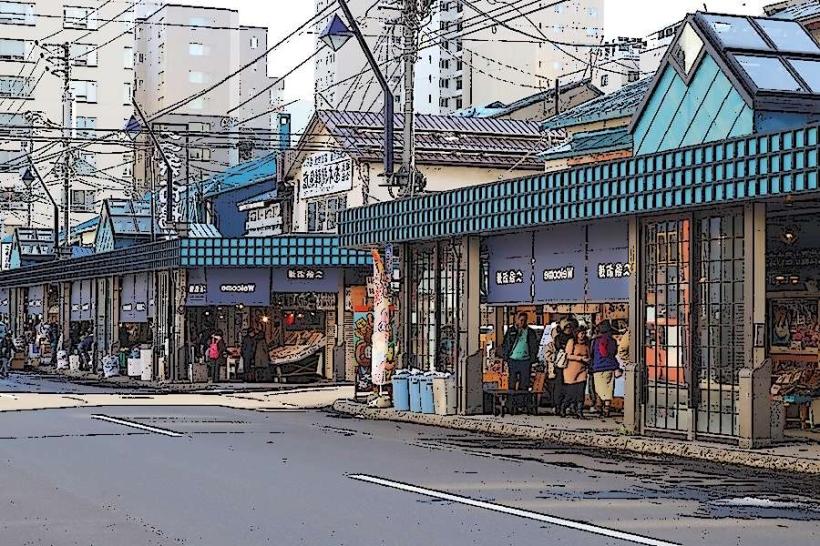
Cuisine: Specialized in Miso Ramen, Jingisukan (grilled mutton), and fresh Kegani (horsehair crab).
Social Norms: Tipping is not practiced. Using the underground walkway system instead of surface streets during winter is the local standard.
Local Cost Index
1 Espresso: 520 JPY ($3.30 USD)
1 Bowl of Miso Ramen: 950–1,200 JPY ($6.00–$7.60 USD)
1-Day Subway Pass: 830 JPY ($5.25 USD)
1 USD to JPY (Jan 2026): ~158 JPY
Nearby Day Trips
Otaru: 35 mins; a nostalgic port town famous for its canal and glassworks.
Lake Shikotsu: 1 hour; a crystal-clear caldera lake that rarely freezes.
Niseko: 2 hours; world-class ski resort known for "Japow" (Japan powder snow).
Facts & Legends
Sapporo is the only city in the world of its size to receive such high volumes of snow. A local legend regarding Jozankei Onsen tells of a "Kappa" (water sprite) that lured a young man into the river; today, the kappa is the district's mascot, with statues hidden throughout the town. A verified historical oddity is that Sapporo was mapped by American engineers in the 1870s, which is why it features a North-South, East-West grid system unlike the winding streets of most Japanese cities.