Information
City: SavusavuCountry: Fiji
Continent: Australia
Savusavu, Fiji, Australia
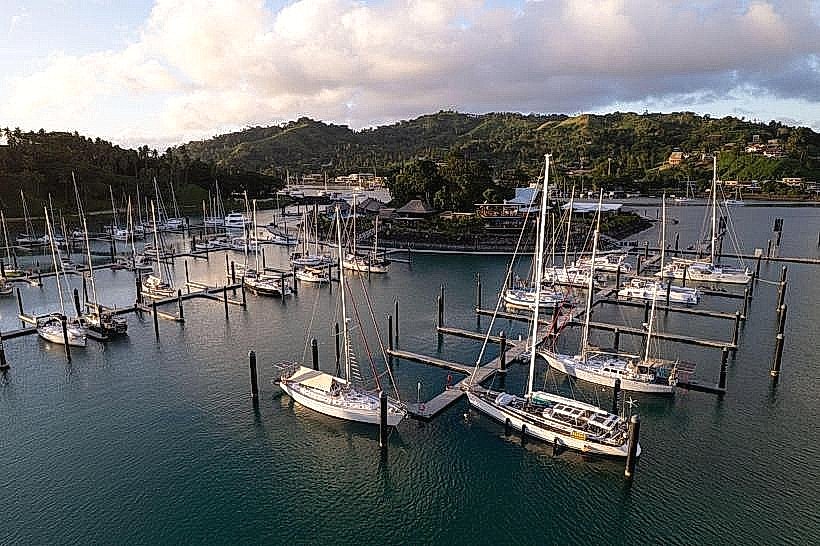
Savusavu functions as the primary maritime gateway to Cakaudrove Province and is a significant hub for the South Pacific yachting community. It is located on the southern coast of Vanua Levu, situated within a deep-water bay formed by a volcanic peninsula.
Historical Timeline
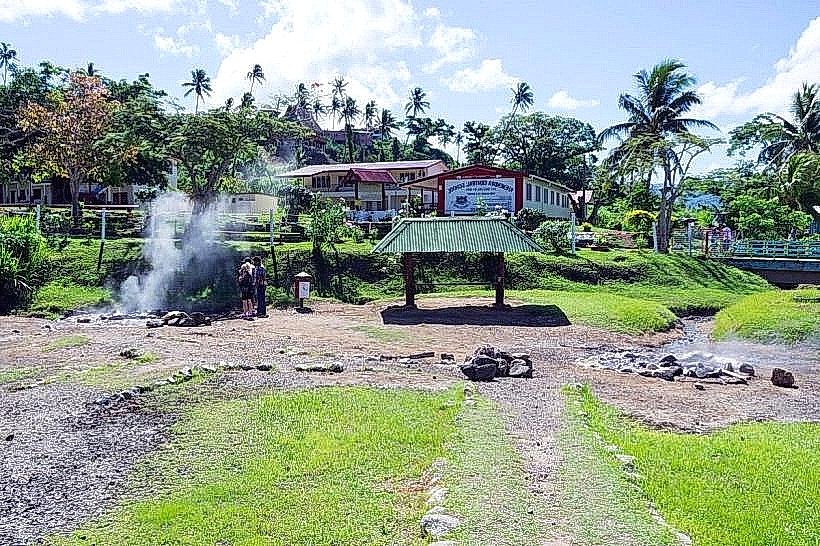
Savusavu was initially established as a trading post for sandalwood and bêche-de-mer in the early 19th century, later transitioning into a center for the copra (coconut) industry. The town was formally gazetted as a township in 1969. The primary era of modern development occurred in the late 20th century with the expansion of the Copra Shed Marina. The primary event shaping the current urban form was the seismic activity and subsequent geothermal surfacing that created the town's famous hot springs, which dictated the placement of the commercial waterfront and public bathing areas.
Demographics & Population
The total population within the township is approximately 3,400, with the greater Savusavu urban area containing roughly 7,000 residents. The demographic composition is approximately 55% iTaukei, 38% Indo-Fijian, and 7% representing a significant expatriate community of European, American, and Australian origin. The median age is 28.9 years.
Urban Layout & Key Districts
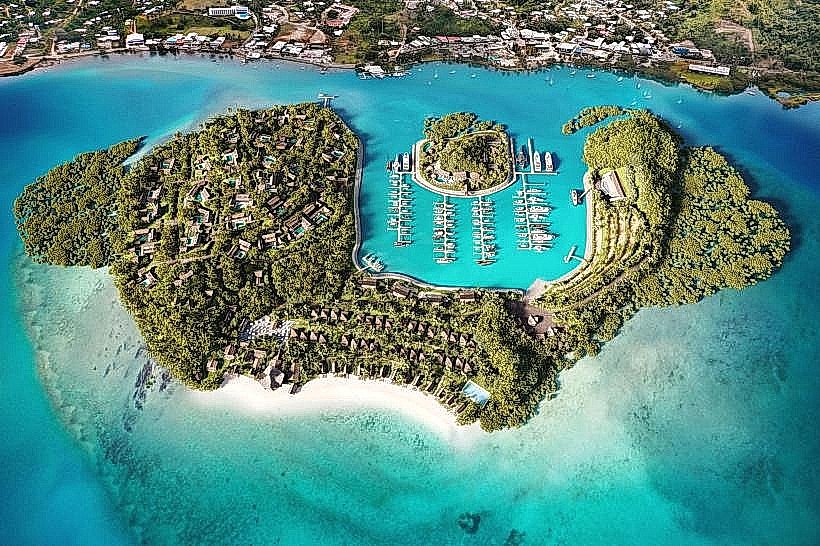
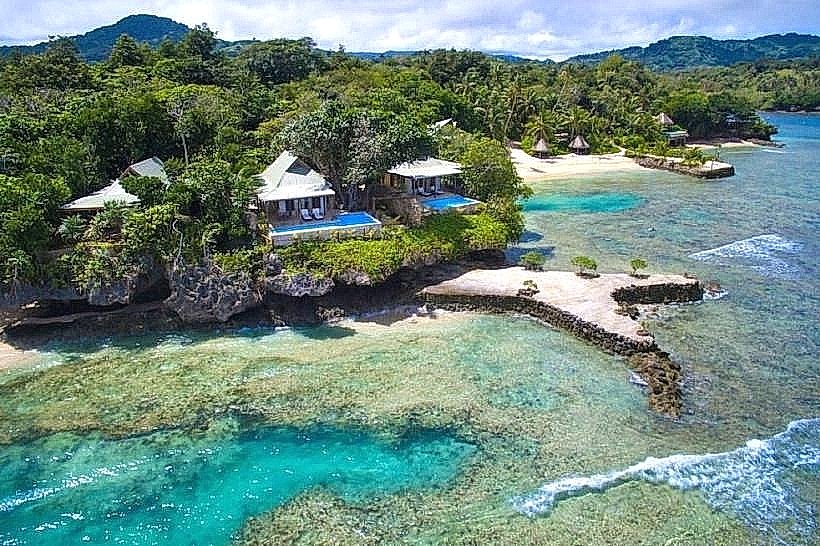
The city is organized linearly along a single main road, Lesiaceva Road, which follows the coastline of the Nakama Creek. The Central Business District (CBD) contains the market, bus station, and essential services. The Marina District, centered around the Copra Shed, is the hub for international visitors. The Lesiaceva Peninsula to the west is the primary residential and resort district, housing high-end private villas and diplomatic retreats.
Top City Landmarks
Savusavu Hot Springs: Naturally occurring geothermal vents located behind the town's playing fields.
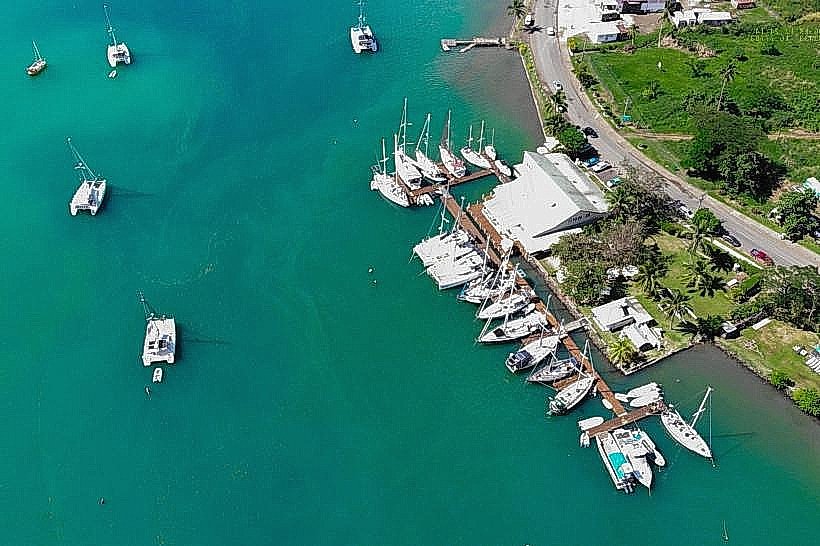
Copra Shed Marina: A renovated 19th-century warehouse now serving as the town’s social and nautical center.
J. Hunter Pearls: A world-renowned pearl farming operation headquartered on the waterfront.
Vuadomo Waterfall: A prominent natural landmark located 15 km from the town center.
Planters Club: A historic colonial-era social club reflecting the region's agricultural history.
Transportation Network
Internal movement is facilitated by a high concentration of white taxis, which are unmetered for local "town trips" but use fixed rates for peninsula transfers. There is no metro or tram system. Local buses operate from the central terminal, servicing the Hibiscus Highway. Traffic density is low, though pedestrian congestion is high on the narrow main street during Saturday market hours.
Safety & "Red Zones"
The general safety level is very high. Crime is predominantly limited to opportunistic theft from unsecured boats or vehicles. There are no specific "red zones," though the area around the bus station after midnight is poorly lit and should be traversed with caution. Common scams are non-existent, though "kava touts" may occasionally approach visitors for informal social donations.
Digital & Financial Infrastructure
Internet speeds average 15–25 Mbps. Vodafone and Digicel provide 4G coverage, though signal strength drops significantly when traveling east along the Hibiscus Highway. Card acceptance is high in the marinas and upscale resorts but the town market and small retail shops are strictly cash-only. ATMs (BSP, ANZ, Westpac) are available on the main street.
Climate & Air Quality
Savusavu has a tropical rainforest climate characterized by high humidity and frequent evening showers. Temperatures range from 21°C–27°C in July to 24°C–31°C in January. Air quality is exceptional due to minimal industrial activity and the surrounding rainforest. The primary weather risk is tropical cyclones and localized landslides along the Hibiscus Highway during heavy rain.
Culture & Social Norms
Tipping is not required. The town has a "hidden paradise" social ethos, which is more informal than Suva but remains culturally conservative. When visiting Nakama Creek or nearby villages, hats must be removed and shoulders covered. Kava (Yaqona) consumption is the primary social activity; it is customary to clap once before and after drinking a presented bowl.
Accommodation Zones
Lesiaceva Peninsula: Recommended for quiet, high-end stays with ocean views and proximity to dive sites.
Savusavu CBD/Marina: Recommended for logistics, providing immediate access to the yacht club, restaurants, and ferry terminal.
Local Cost Index
1 Espresso: 7.50 FJD ($3.35 USD)
1 Standard Lunch: 12.00–20.00 FJD ($5.36–$8.93 USD)
1 Taxi (Town Trip): 5.00 FJD ($2.23 USD)
Nearby Day Trips
Labasa: 85 km (2-hour drive via the cross-island road).
Devodara Beach: 20 km (30-minute drive).
KokoMana Cocoa Farm: 4 km (10-minute drive).
Split Rock: A prominent dive and snorkel site located 10 minutes offshore.
Facts & Legends
Savusavu is the site of a unique geothermal phenomenon where local residents use the boiling water of the Nakama Hot Springs to cook food in pots placed directly into the earth. Local legend states that the springs are the breath of a sleeping volcanic deity. Historically, Savusavu was once considered as a potential capital for Fiji due to its deep-water harbor, which is capable of accommodating large naval vessels, but it was passed over in favor of Suva due to its geographic isolation from the main island of Viti Levu.