Information
City: SelmaCountry: USA Alabama
Continent: North America
Selma, USA Alabama, North America
Selma is an independent city and the seat of Dallas County, situated on the high bluffs of the Alabama River. Known as the "Butterfly Capital of Alabama," it is defined by its pivotal role in the Voting Rights Movement, its massive collection of antebellum architecture, and its ongoing status as a site of national political pilgrimage.
Historical Timeline
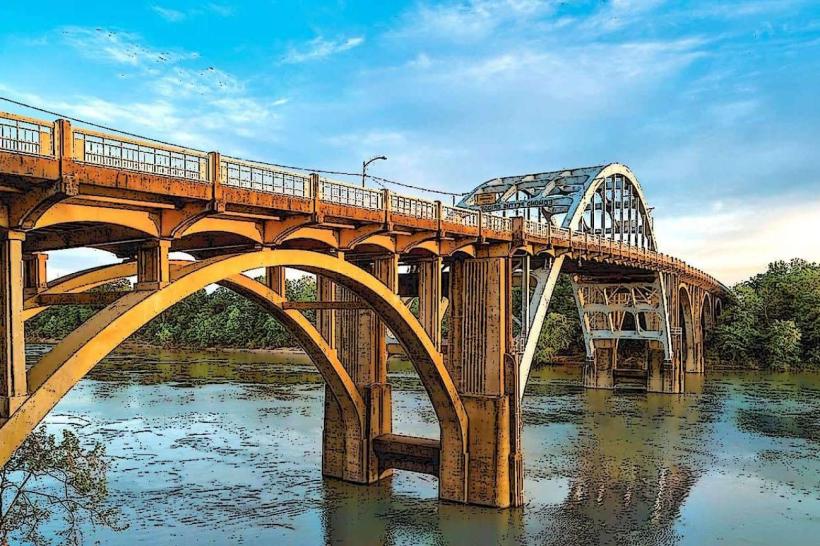
Inhabited by the Muscogee (Creek) people. Founded in 1820 and named after the "Songs of Selma" by James Macpherson. A critical historical event occurred in 1865 with the Battle of Selma, where Union forces destroyed the city's Confederate naval foundry. In the 20th century, Selma became the epicenter of the Civil Rights Movement during "Bloody Sunday" (March 7, 1965), when state troopers attacked peaceful marchers on the Edmund Pettus Bridge. This event directly catalyzed the passage of the Voting Rights Act of 1965. The 21st century has been characterized by economic stagnation and a major recovery effort following a devastating EF2 tornado in January 2023.
Demographics & Population
The population is approximately 17,000. The demographics are Black or African American (82%), White (15%), and Hispanic or Latino (1%). The economy is driven by agriculture (catfish and cotton), government services, and Civil Rights-related tourism.
Urban Layout & Key Districts
The city is organized along the riverfront with a grid of historic districts.
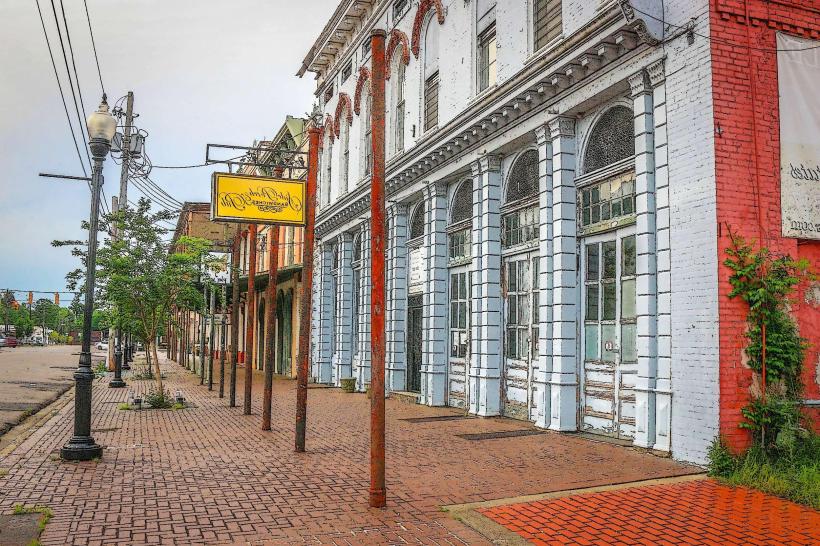
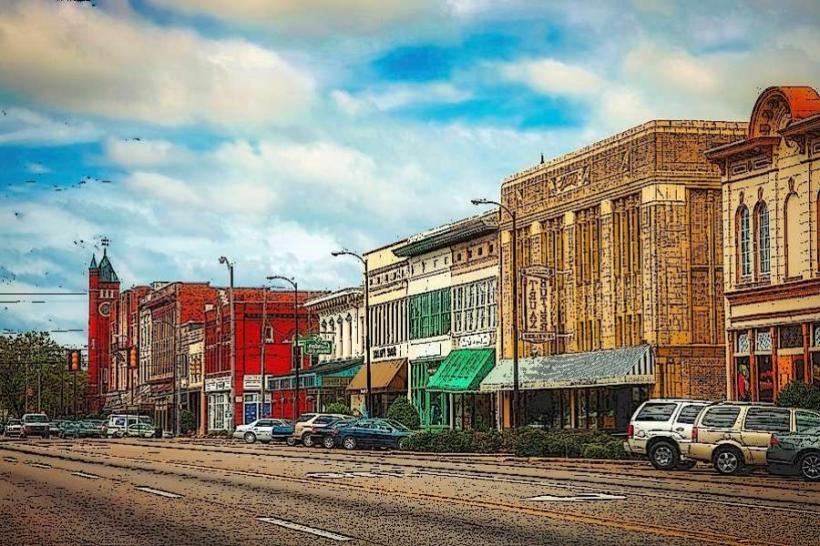
Old Town / Water Avenue: The historic commercial core featuring 19th-century storefronts, the St. James Hotel, and the foot of the Edmund Pettus Bridge.
Old Live Oak Cemetery District: An expansive area on the west side known for its massive, moss-draped oaks and elaborate Victorian monuments.
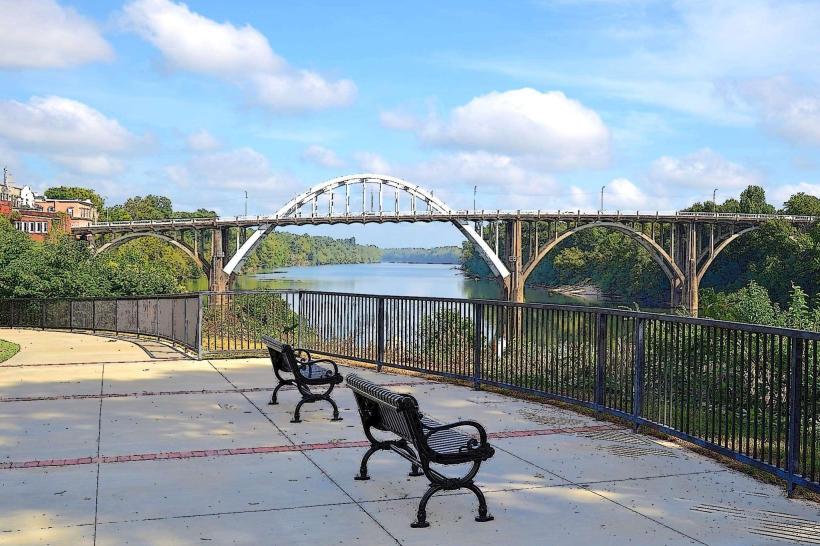
Riverfront Park: A scenic area providing views of the Alabama River and the historic bridge.
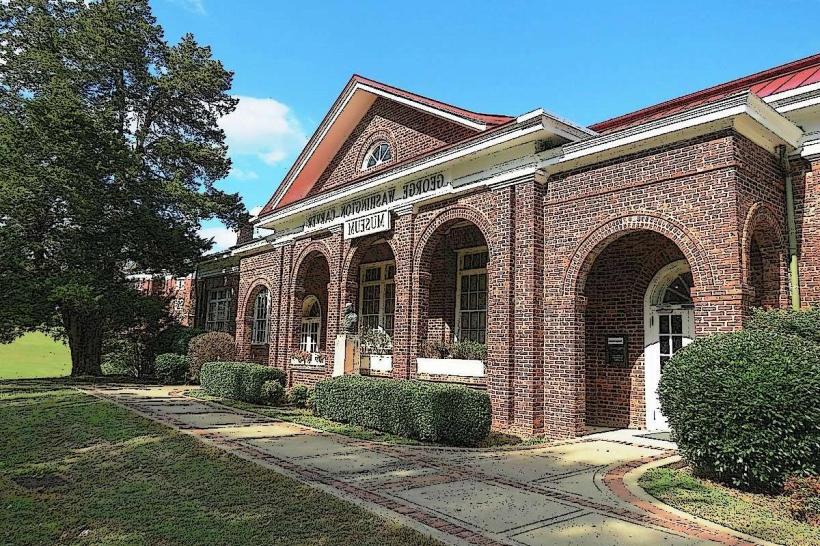
George Washington Carver Homes: A public housing project that served as the staging ground for the 1965 voting rights marches.
Top City Landmarks
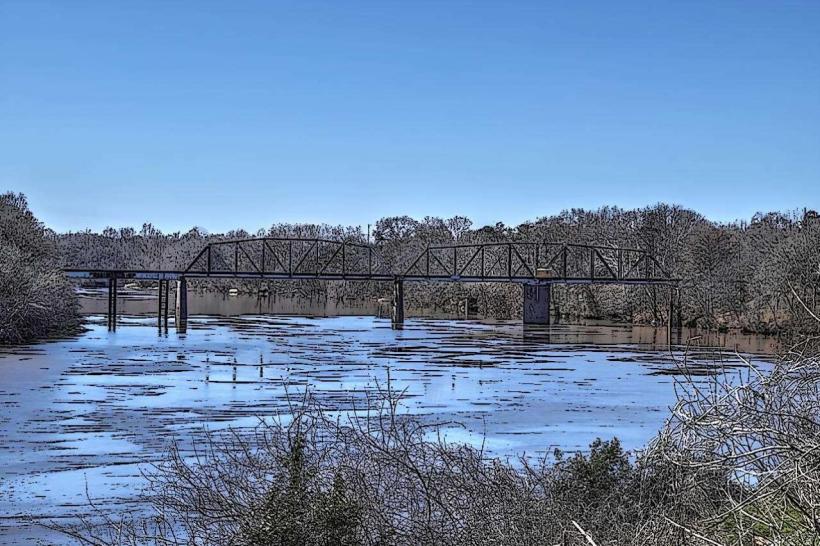
Edmund Pettus Bridge: A National Historic Landmark and a global symbol of the struggle for voting rights.
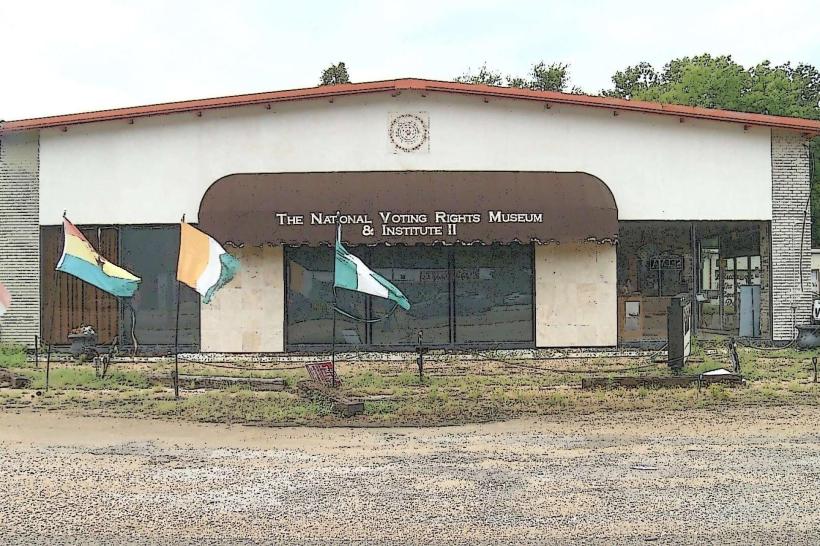
National Voting Rights Museum and Institute: Located near the bridge, documenting the local and national struggle for suffrage.
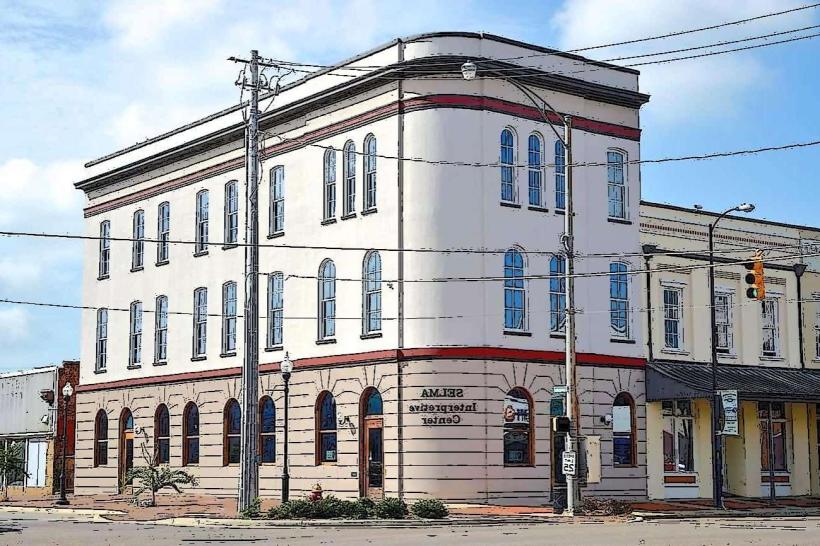
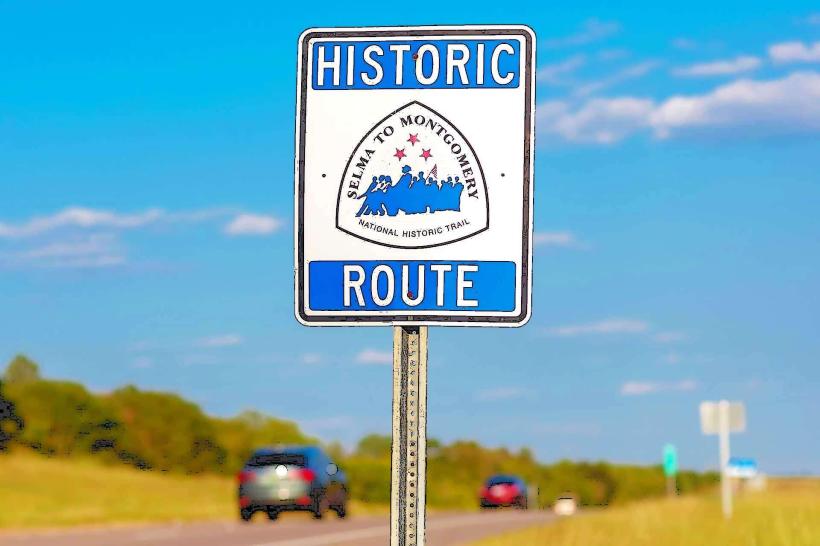
Selma Interpretive Center: A National Park Service facility at the start of the Selma To Montgomery National Historic Trail.
St. James Hotel: Built in 1837; one of the few antebellum riverfront hotels remaining in the South and a former haunt of the outlaw Jesse James.
Old Live Oak Cemetery: Established in 1829; contains the graves of prominent Confederate figures and civil rights activists.
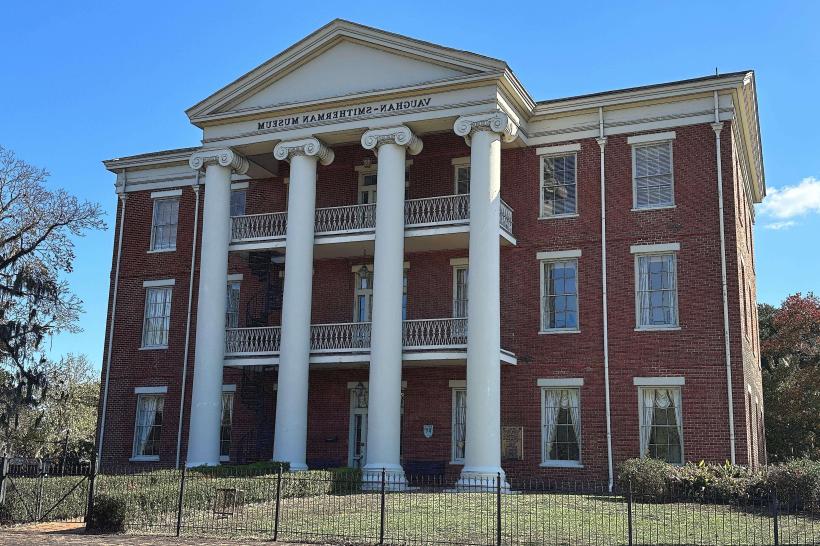
Sturdivant Hall: A massive Greek Revival mansion (1852) that serves as one of the South's best-preserved museum homes.
Transportation Network
Movement is automotive-centric. The city is a major stop on US-80 (The Jefferson Davis Highway/Civil Rights Trail). Public transit is provided by the Selma Air regional transit. There is no commercial air service; the nearest hub is Montgomery Regional (MGM), 80 km east.
Safety & "Red Zones"
The general safety level is low. Selma consistently ranks among the most dangerous small cities in the U.S. per capita. Violent crime is high. Caution is advised throughout the city after dark, particularly in neighborhoods north of Broad Street and near G.W.C. Homes. Environmental hazards include significant tornado risk and high humidity.
Digital & Financial Infrastructure
Internet speeds average 200–400 Mbps with availability via Spectrum and AT&T. Main mobile carriers are Verizon and AT&T. Card acceptance is standard in commercial areas, but some small local businesses remain cash-only. ATMs are concentrated on Broad Street.
Climate & Air Quality
Temperatures range from 3°C to 15°C in winter and 22°C to 34°C in summer. The "Black Belt" soil retains moisture, leading to high humidity and intense summer heat. Air quality is high.
Culture & Social Norms
The standard tipping percentage is 18–20%. A "Sober-Historic" and polite greeting is standard. Dress codes are "Casual." The city is culturally defined by its Civil Rights Legacy, its annual Bridge Crossing Jubilee, and its deep Southern "Black Belt" agricultural traditions.
Local Cost Index
1 Espresso: $4.25 (USD)
1 Standard Lunch: $14.00 (USD)
1 Sturdivant Hall Admission: $10.00.
Nearby Day Trips
Lowndesboro, SC: (40 km east; a small historic town on the trail to Montgomery).
Old Cahawba Archaeological Park: (22 km southwest; the site of Alabama's first state capital, now a famous ghost town).
Marion, AL: (45 km northwest; where the 1965 murder of Jimmie Lee Jackson sparked the Selma marches).
Facts & Legends
Selma is the site where the first Confederate ironclad, the CSS Tennessee, was partially constructed. Historically, it was the location of the "White Citizens' Council," which fought integration. A local legend involves the "Ghost of Sturdivant Hall," specifically John Parkman, a former owner who reportedly haunts the cupola. Another legend concerns the "Lady in the Bridge," a spectral figure said to be seen on the Edmund Pettus Bridge on foggy nights.