Information
City: SligoCountry: Ireland
Continent: Europe
Sligo, Ireland, Europe
Sligo functions as the primary administrative, commercial, and cultural capital of Northwest Ireland. Situated between the Garvogue River and the Atlantic coast, it is a major center for the pharmaceutical, medical device, and tool-making industries.
Historical Timeline
Sligo originated as a 13th-century strategic settlement founded by Maurice FitzGerald. The primary era of governance prior to this was the prehistoric period, evidenced by the highest density of Neolithic monuments in Western Europe. The primary event shaping the city's modern identity was the 19th-century residency of the poet W.B. Yeats, whose work immortalized the local landscape and transformed the region into a global center for literary tourism.
Demographics & Population
The population of the urban area is approximately 20,000, with nearly 70,000 in the county. The demographic profile is increasingly international, driven by the Atlantic Technological University (ATU) and the presence of multinational firms like Abbott and AbbVie. The median age is 38.4 years.
Urban Layout & Key Districts
The city is organized along the banks of the Garvogue River, which connects Lough Gill to the Atlantic.
The City Core: Centered on O’Connell Street and the Quays, featuring medieval street patterns integrated with modern retail.
The Mall: A specialized administrative and medical district housing the Sligo University Hospital and the Model Arts Centre.
Strandhill: A coastal suburb 8 km west, functioning as a major national surfing and leisure hub.
Rosses Point: A seaside village 8 km north, serving as the city’s primary maritime and golfing district.
Top City Landmarks
Sligo Abbey: A 13th-century Dominican friary featuring well-preserved Gothic carvings and a 15th-century high altar.
Benbulben: A specialized large-scale geographical landmark; a flat-topped "Table Mountain" formed during the Ice Age.
The Model: A contemporary arts center and gallery housing the Niland Collection, including works by Jack B. Yeats.
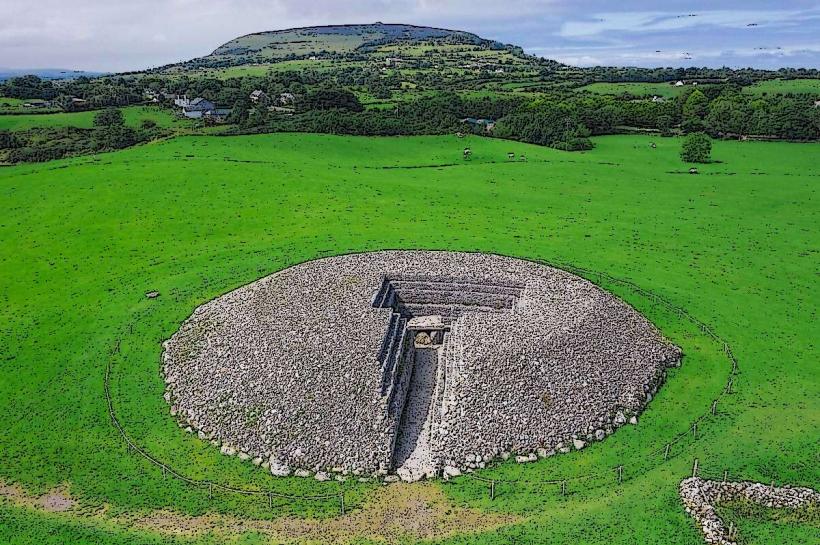
Carrowmore Megalithic Cemetery: One of the four major passage tomb complexes in Ireland, featuring monuments over 5,000 years old.
Knocknarea: A 327-meter limestone hill topped by Maeve’s Cairn, a massive unexcavated Neolithic passage tomb.
Transportation Network
Movement within the town is primarily pedestrian. Public transit is served by a city bus network (S1 and S2) operated by Bus Éireann. Sligo Mac Diarmada Station provides direct rail links to Dublin (Connolly). Taxis are available at the Quays and the railway station. Traffic is concentrated at the Hughes Bridge-the primary crossing of the Garvogue.
Safety & "Red Zones"
The general safety level is very high. Crime is statistically negligible. There are no designated "red zones." The primary risks are environmental: the Atlantic coast at Strandhill features extremely dangerous rip currents and swimming is strictly prohibited; Benbulben mountain is prone to sudden "white-out" mists and requires proper navigation.
Digital & Financial Infrastructure
Internet speeds average 100–1000 Mbps via fiber-optic networks. 5G coverage is universal in the city center. Card and mobile payments are standard in all commercial establishments. ATMs are concentrated on O’Connell Street and Wine Street.
Climate & Air Quality
Sligo has a maritime temperate climate with high annual rainfall and frequent Atlantic winds. Daytime temperatures range from 7°C in January to 18°C in July. Air quality is exceptional due to constant Atlantic ventilation.
Culture & Social Norms
Sligo is a "UNESCO City of Literature." Social life is deeply integrated with traditional Irish music and the local surfing culture. Tipping is standard in restaurants (10%) but not required at the bar. The "Yeats International Summer School" (August) is the city's primary high-culture event.
Accommodation Zones
City Center: Recommended for nightlife, proximity to the Abbey, and rail access.
Strandhill: Recommended for surfing, seaweed baths, and coastal views.
Rosses Point: Recommended for maritime atmosphere and quiet, upscale stays.
Local Cost Index
1 Espresso: €3.00
1 Pint of Stout: €5.50–€6.50
1 Standard Lunch: €13.00–€18.00
Nearby Day Trips
Lough Gill: Home to the Lake Isle of Innisfree and Parke’s Castle.
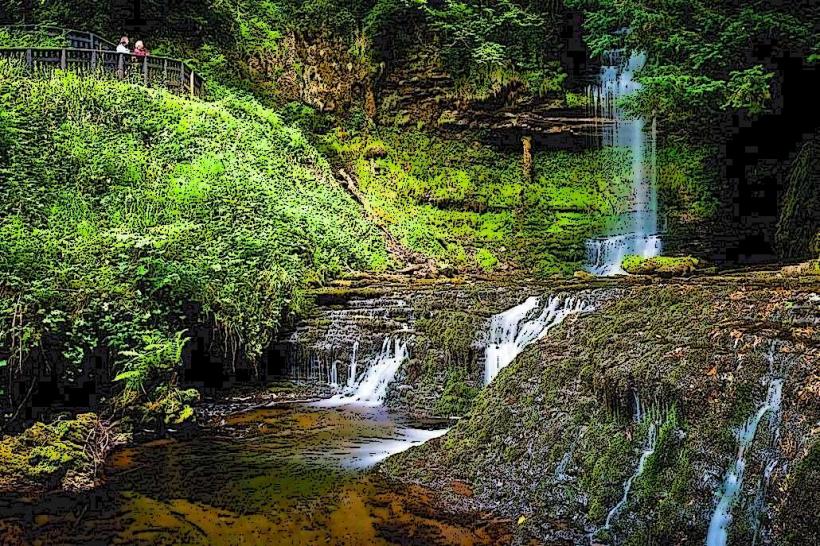
Glencar Waterfall: Located 15 km north on the border with County Leitrim.
Mullaghmore Head: Famous for "Prowler" big-wave surfing and Classiebawn Castle.
Easky: 40 km west; a world-renowned surfing and angling destination.
Facts & Legends
Sligo is the site of the legend of Queen Maeve of Connacht, who is said to be buried upright in the cairn atop Knocknarea to face her enemies in Ulster. Historically, Sligo was one of the busiest ports in Ireland for emigration to North America during the 19th century. A verified fact is that the name Sligo (Sligeach) translates to "Shelly Place," referring to the massive prehistoric oyster middens found along the riverbanks.