Information
City: StauntonCountry: USA Virginia
Continent: North America
Staunton, USA Virginia, North America
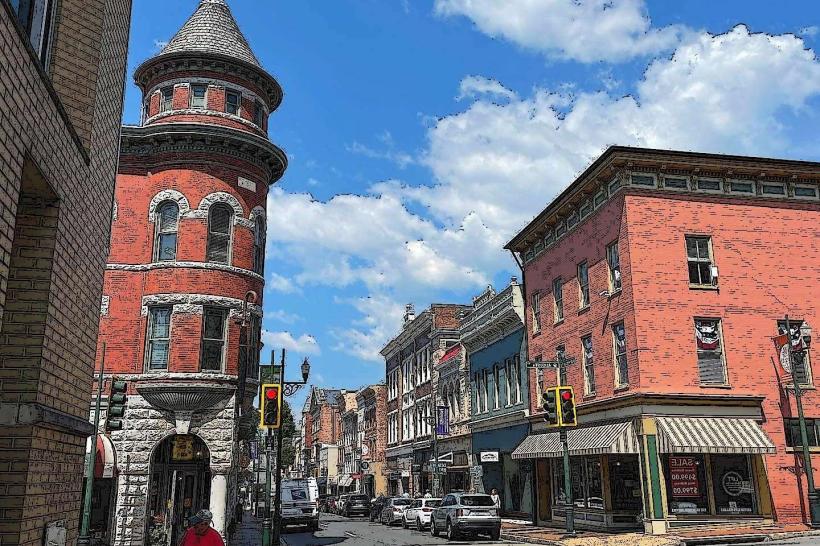
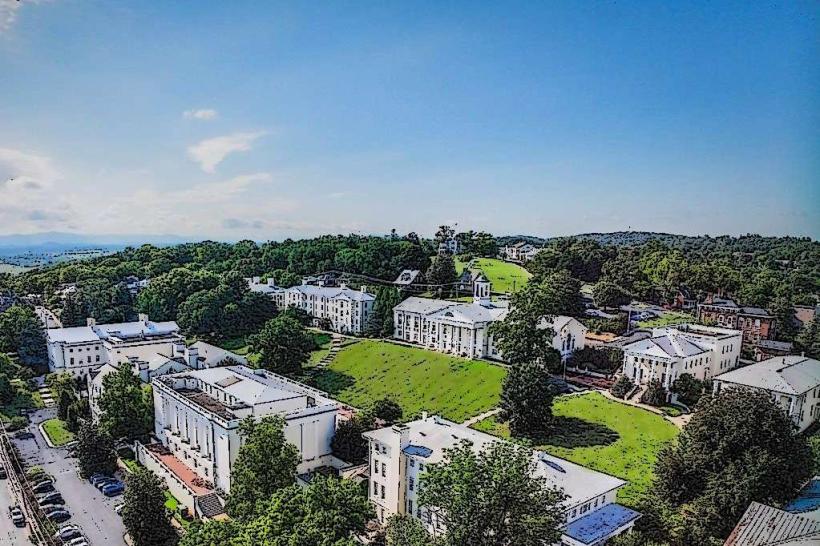
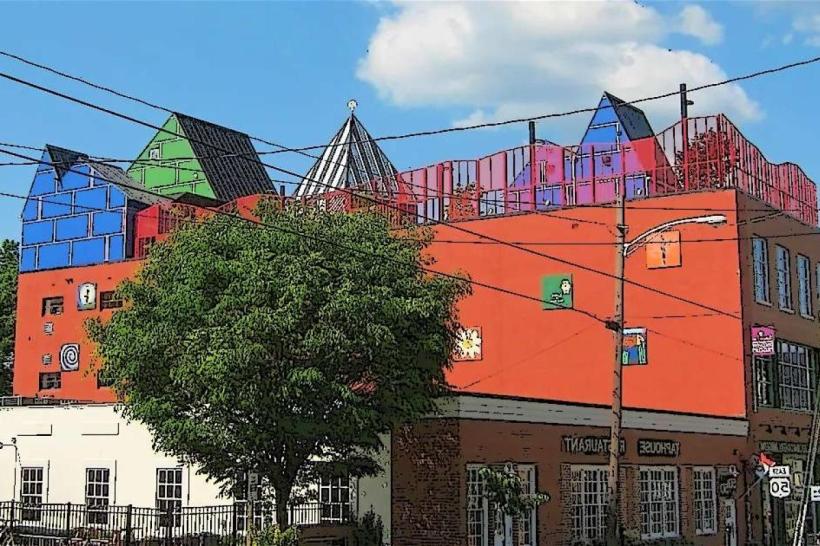
Staunton is an independent city in the Shenandoah Valley, situated between the Blue Ridge and Allegheny Mountains. It serves as the primary administrative and cultural center for Augusta County and is globally recognized for its remarkably preserved Victorian architecture and as the birthplace of Woodrow Wilson.
Historical Timeline
Founded in 1747, Staunton served as the capital of the Northwest Territory during the late 18th century. Primary governance eras include its role as a strategic supply depot during the American Civil War and its 19th-century expansion as a railroad hub. A critical historical event was the 1908 adoption of the City Manager form of government, the first of its kind in the world. The 21st century has been defined by its transformation into a premier destination for the arts and Shakespearean scholarship.
Demographics & Population
The population is approximately 25,800. The demographics are White (78%), Black or African American (11%), Hispanic or Latino (5%), and Asian (1%). The median age is 41.5 years.
Urban Layout & Key Districts
The city is built on extremely hilly terrain and is organized into five historic districts.
Beverley District: The central commercial core, known for its high-density 19th-century storefronts and walkable Main Street.
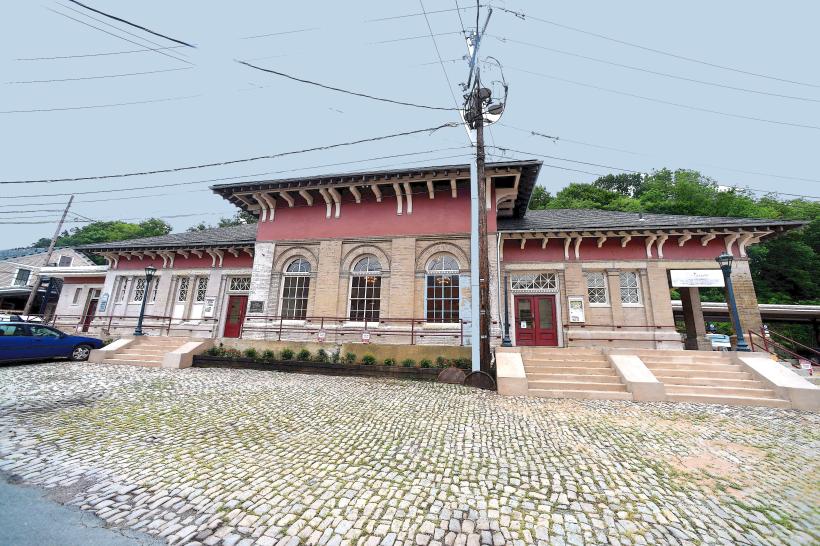
Wharf District: A former warehouse and rail district, now a center for craft breweries, local dining, and the farmers' market.
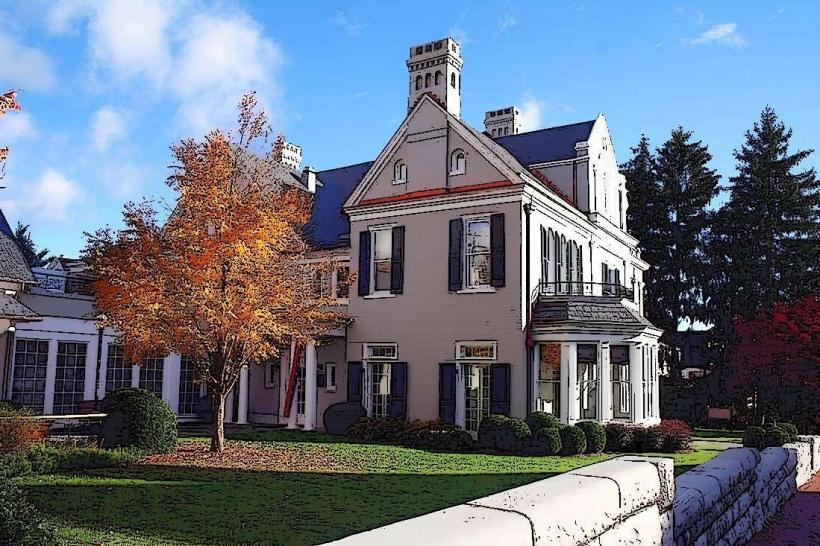
Gospel Hill: An affluent residential district featuring Greek Revival and Victorian mansions, proximal to Mary Baldwin University.
Newtown: One of the city's oldest residential areas, characterized by its diverse architectural styles and historic significance to the Black community.
Top City Landmarks
Woodrow Wilson Presidential Library & Museum: The birthplace of the 28th U.S. President.
American Shakespeare Center (Blackfriars Playhouse): The world’s only recreation of Shakespeare’s indoor theater.
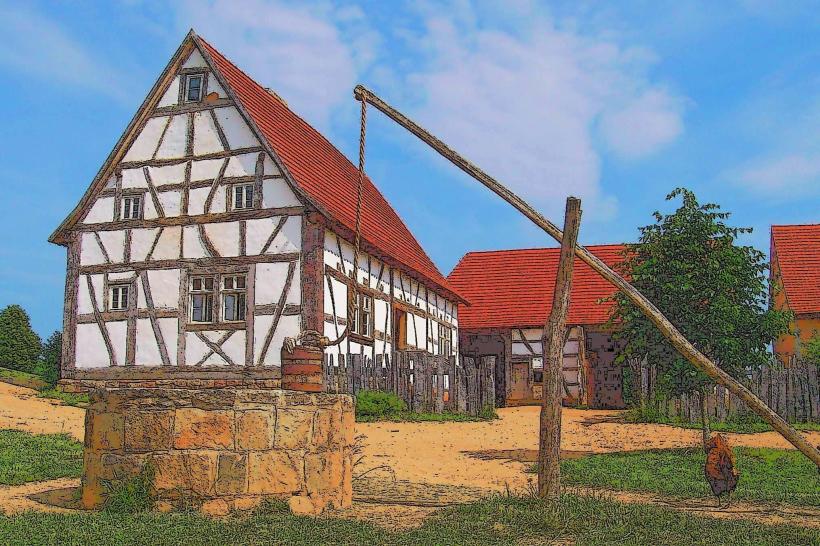
Frontier Culture Museum: An outdoor living-history museum featuring authentic historic farms moved from Europe and America.
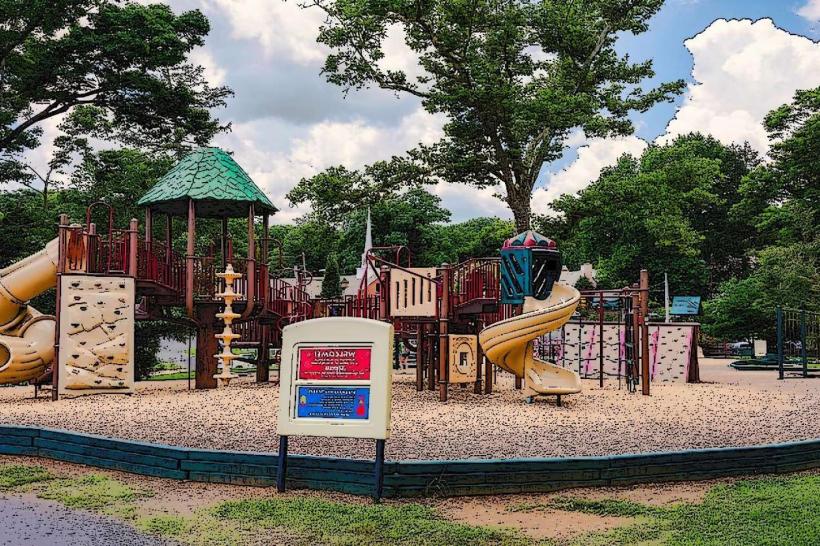
Gypsy Hill Park: A 214-acre multi-use park featuring a golf course, duck pond, and the city's primary recreational facilities.
Sunnyside Glass Press: A demonstration of the city's historic glass-blowing and pressing traditions.
Transportation Network
Movement is serviced by BRITE bus transit. The city is a stop for Amtrak (Cardinal line) with service to Chicago, Washington, D.C., and NYC. It is situated at the intersection of I-81 and I-64. Ride-sharing is available but less frequent than in larger metropolitan hubs. Traffic density is low, though the steep grades of the downtown streets require attentive driving and braking.
Safety & "Red Zones"
The general safety level is very high. Crime rates are significantly below national averages. Property crime, specifically vehicle break-ins in poorly lit areas, is the primary issue. There are no designated "red zones." Caution is advised for pedestrians navigating the steep, narrow sidewalks of Gospel Hill during icy conditions. Common scams involve fraudulent residential utility solicitations.
Digital & Financial Infrastructure
Internet speeds average 350 Mbps with fiber availability via Glo Fiber and Xfinity. Main mobile carriers are Verizon, AT&T, and T-Mobile. Card acceptance is universal. ATMs are concentrated in the Beverley Street commercial core and at major bank branches near the bypass.
Climate & Air Quality
Temperatures range from -5°C to 5°C in winter and 18°C to 29°C in summer. Air quality is consistently high. Specific weather risks include heavy winter snowfall and mountain-effect fog that impacts visibility on the surrounding interstate corridors.
Culture & Social Norms
The standard tipping percentage is 18–25%. A handshake is the standard greeting. Dress codes are "Academic-Casual" or "Arts-Professional." The city is culturally defined by its deep intellectual identity, its preservation of traditional Appalachian crafts, and its status as a "Festival City."
Accommodation Zones
Historic Downtown: Recommended for boutique hotels (e.g., Hotel 24 South) and walkable access to the theater and dining.
I-81 Interchange (Exit 222): Recommended for national hotel chains and suburban-style retail.
Local Cost Index
1 Espresso: $4.25 (USD)
1 Standard Lunch: $15.00 (USD)
1 Amtrak Fare (to DC): $25.00–$50.00 (Variable).
Nearby Day Trips
Skyline Drive / Shenandoah National Park: (25 km east).
Blue Ridge Parkway: (20 km east).
Natural Bridge State Park: (75 km south).
Charlottesville: (60 km east).
Facts & Legends
Staunton is the birthplace of the City Manager form of government. Historically, it was the site where the "Staunton Artillery" was formed during the Civil War. A local legend involves the "Ghost of Mary Baldwin," where spectral sightings of a 19th-century student have been reported in the older residence halls. Another legend concerns "The Lost Tunnels of Beverley Street," rumored to be a clandestine network used during the 19th century for the discrete transport of goods and coal.