Information
City: SuceavaCountry: Romania
Continent: Europe
Suceava, Romania, Europe
Suceava serves as the historical seat of the Principality of Moldavia and the current administrative capital of Suceava County. It is the primary gateway to the UNESCO-listed painted monasteries of Bukovina, situated in northeastern Romania on the Suceava Plateau.
Historical Timeline
Suceava was first documented in 1388 and functioned as the capital of Moldavia for nearly two centuries (1388–1564). Under the reign of Stephen the Great (Ștefan cel Mare), the city became the center of a sophisticated defense system against Ottoman and Polish incursions. Following the 1774 Austrian annexation of Bukovina, Suceava transitioned into a frontier town of the Habsburg Monarchy, undergoing architectural and administrative modernization. After its 1918 integration into Romania, it maintained a multicultural character until the post-WWII socialist period, which initiated a tenfold population increase through aggressive industrialization and the construction of massive high-density residential estates.
Demographics & Population
The population is approximately 84,300 (2021 census), significantly lower than its early 1990s peak. The demographic composition is predominantly Romanian (approx. 90%), with small historical minorities including Ukrainians, Poles, Romani, and Germans. The median age of the population is 42.6 years.
Urban Layout & Key Districts
The city is divided between the historical core on the high plateau and the newer industrial and residential zones in the valley.
Centru (City Center): The administrative and cultural heart, containing the Palace of Culture, the Administrative Palace, and major museums.
Burduzeni: A large residential and industrial district to the east, home to the main Suceava North railway station and major retail centers.
Areni: A central, lively district housing the "Ștefan cel Mare" University and the municipal stadium.
Zamca & Obcini: Primarily residential neighborhoods; Zamca is notable for its quiet atmosphere and the Armenian fortified monastery.
Top City Landmarks
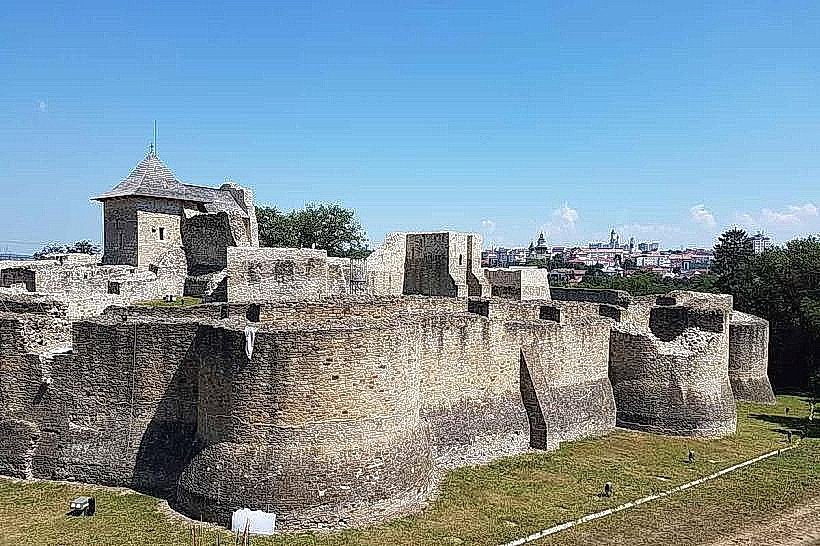
Suceava Seat Fortress (Cetatea de Scaun): A medieval fortress recently restored with multimedia historical exhibits.
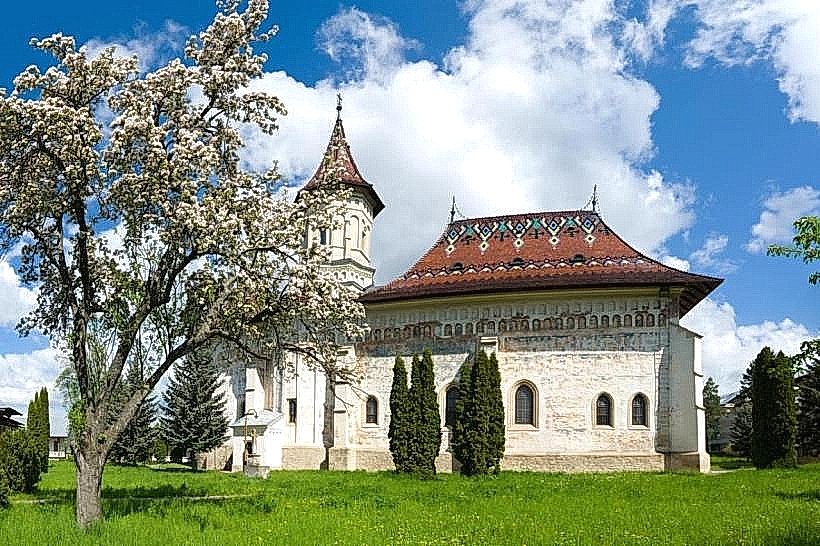
Saint John the New Monastery: A UNESCO World Heritage site featuring 16th-century frescoes.
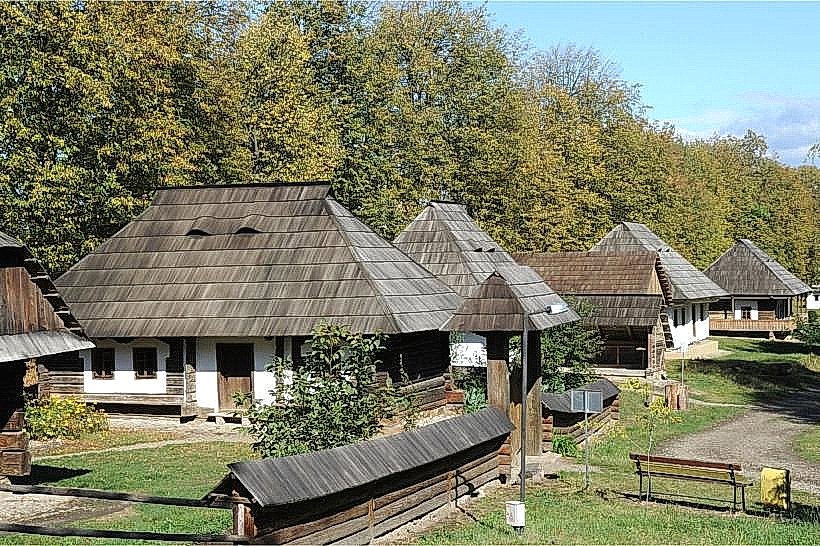
Bukovina Village Museum: An open-air museum showcasing traditional 19th-century architecture and peasant life.
The Administrative Palace: An Austrian-era landmark built in the late 19th century by Viennese architect Peter Paul Brang.
Transportation Network
Public transit is dominated by an extensively modernized fleet of 100% electric buses; there is no Metro or Tram system. Uber and Bolt are active, alongside local taxi companies (approx. 3.50–4.00 RON/km). The city is served by Ștefan cel Mare International Airport (SCV), located 12 km east in Salcea. Traffic is most concentrated on Calea Unirii, the main artery connecting the center to Burduzeni.
Safety & "Red Zones"
Suceava is one of the safest cities in Romania with a low violent crime rate. There are no definitive "no-go" zones, though caution is advised in the Burduzeni market area and the train station surroundings at night due to petty theft. Travelers should avoid unlicensed exchange offices and stick to bank ATMs for currency.
Digital & Financial Infrastructure
Average internet speed is 135 Mbps via high-speed fiber-optic connections. Major carriers are Orange, Digi Mobil, and Vodafone. Card acceptance is nearly universal in the city center, hotels, and major retailers like Iulius Mall; cash is required for local bus tickets and traditional markets.
Climate & Air Quality
Temperatures range from -6°C to 1°C in winter (January) and 15°C to 27°C in summer (July). The city experiences significant snowfall and cold drafts from the northern plains. Air quality is generally high, though particulate levels can rise in the winter due to domestic wood-burning heating in the surrounding hills.
Culture & Social Norms
The standard tipping rate is 10% in restaurants. Suceava retains a strong religious and traditional identity; conservative attire (covered shoulders and knees) is mandatory for visiting the St. John the New Monastery and other active religious sites. Handshakes are the standard formal greeting.
Accommodation Zones
Stay in the City Center (Centru): Best for first-time visitors for proximity to the fortress, museums, and restaurants.
Stay in Areni: Best for university-related travel and access to public parks.
Stay in Burduzeni: Recommended for transit-focused travelers needing proximity to the main railway station.
Local Cost Index
1 Espresso: 11 RON ($2.40)
1 Standard Lunch: 45 RON ($9.80)
1 Electric Bus Ticket: 3 RON ($0.65)
Nearby Day Trips
UNESCO Painted Monasteries: Voroneț (the "Sistine Chapel of the East"), Humor, Moldovița, and Sucevița (all within 40–60 km).
Cacica Salt Mine: 30 km; features a unique underground Roman Catholic chapel.
Putna Monastery: 70 km; the burial place of Stephen the Great and a major spiritual center.
Facts & Legends
A verified historical oddity is that Suceava was once referred to as "Miniature Austria" during the 19th century due to the high diversity of its population (Germans, Jews, Armenians, Poles, and Ukrainians). A persistent local legend claims that secret tunnels exist beneath the Suceava Seat Fortress, supposedly leading several kilometers away to the Dragomirna Monastery or the city center, allowing Moldavian rulers to escape during sieges.