Information
Landmark: Seat Fortress of SuceavaCity: Suceava
Country: Romania
Continent: Europe
Seat Fortress of Suceava, Suceava, Romania, Europe
The Seat Fortress of Suceava (Cetatea de Scaun a Suceavei) is a medieval fortification and the historical residence of the rulers of Moldavia.
Visual Characteristics
The fortress is an irregular quadrilateral structure with massive circular bastions at the corners and along the walls.
Fortifications: It features an internal "fort" (the Musat fort) surrounded by an external defense wall and a deep dry moat.
Architecture: The masonry consists of rough stone and lime mortar, with visible defensive elements such as embrasures for archers and artillery platforms.
Restoration: Modern restoration has integrated glass and steel bridges to facilitate movement through the ruins, alongside digital multimedia installations.
Location & Access Logistics
The site is located on a plateau at the eastern edge of the city.
Address: Strada Cetății, Suceava.
Public Transport: Accessible via local bus lines stopping at "Autogară" or "Centru," followed by a 15-minute uphill walk.
Parking: A large dedicated parking lot is available near the entrance.
Access: Open daily. Summer hours (April–October) are typically 08:00–20:00. Winter hours are significantly shorter.
Historical & Ecological Origin
Built at the end of the 14th century by Petru I Mușat, the fortress was extensively fortified by Stephen the Great (Ștefan cel Mare) in the 15th century. It was part of a strategic defense system against Ottoman and Polish invasions. The fortress was never conquered by force; it was eventually destroyed in 1675 by order of the Ottomans. The site is surrounded by a dense deciduous forest that acts as a protected green zone for the city.
Key Highlights & Activities
The Moat: A defensive trench approximately 10 meters deep and 15 meters wide.
Multimedia Projections: The interior rooms feature projections of historical figures and battle scenes.
Royal Apartments: Excavated foundations of the former living quarters and the chapel.
Medieval Festivals: The fortress hosts the "Stephen the Great" Medieval Festival every August, featuring tournaments and period crafts.
Infrastructure & Amenities
The site is equipped with a visitor center, souvenir shop, and restrooms. Information is provided via QR codes and multilingual plaques. 5G cellular coverage is excellent throughout the plateau. The access paths are paved but include steep sections and stairs.
Best Time to Visit
The fortress is best viewed in the late afternoon when the lighting emphasizes the texture of the stone walls. The surrounding park is a primary destination during autumn for the foliage.
Facts & Legends
A historical fact is that during the 1476 siege by Mehmed the Conqueror, the fortress held out despite a direct assault by the Sultan's army. Legend claims that a secret underground tunnel connects the fortress to the Saint Demetrius Church in the city center to allow for the safe passage of the royal family.
Nearby Landmarks
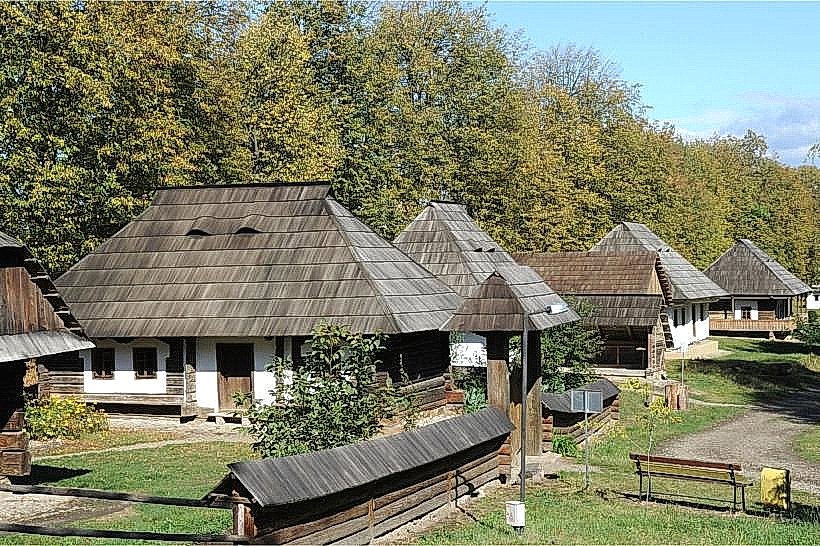
Bukovina Village Museum: Located immediately adjacent to the fortress parking lot.
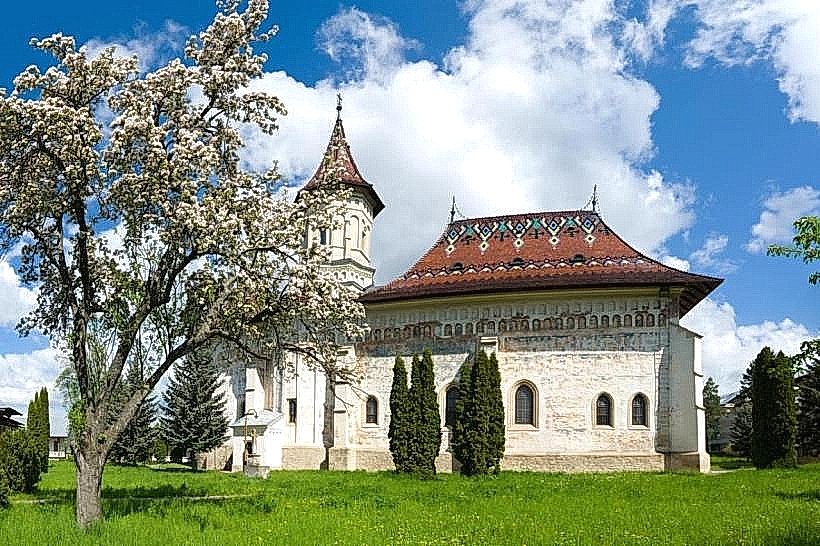
Saint George's Church (Saint John the New Monastery): 1.2 km West.
Mirăuți Church: 0.8 km Northwest.