Information
City: TarmaCountry: Peru
Continent: South America
Tarma, Peru, South America
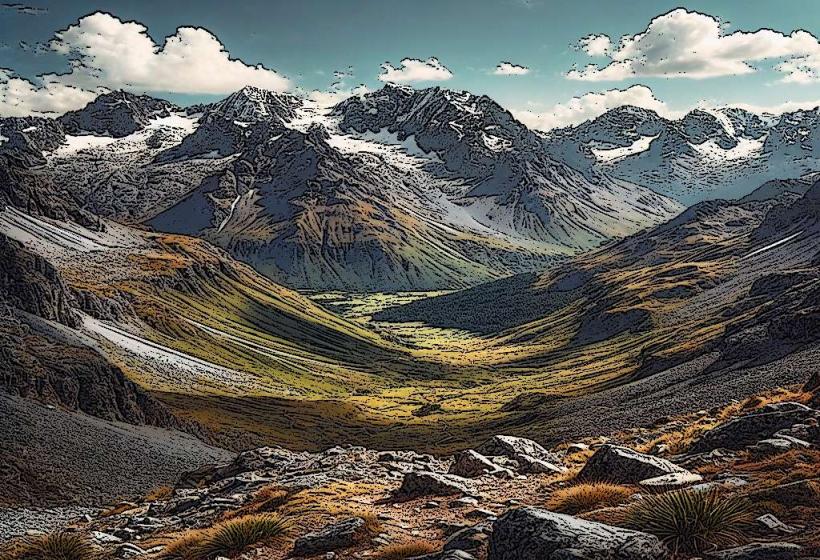
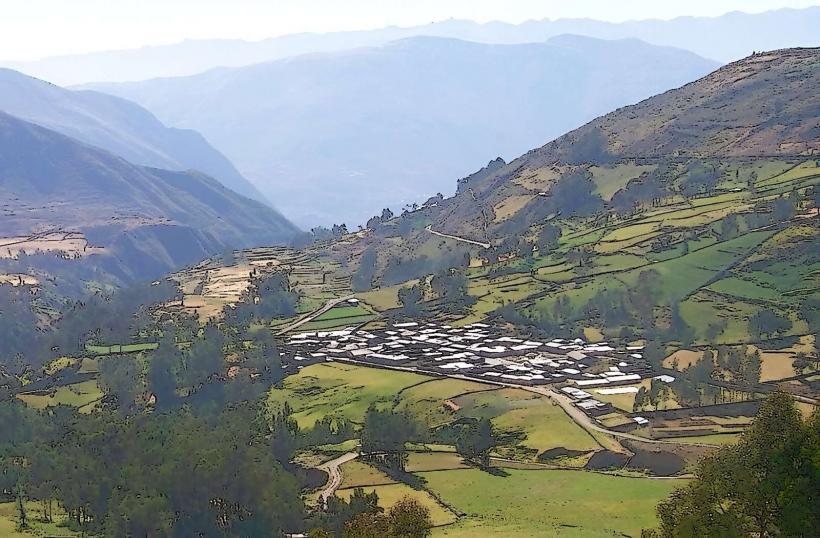
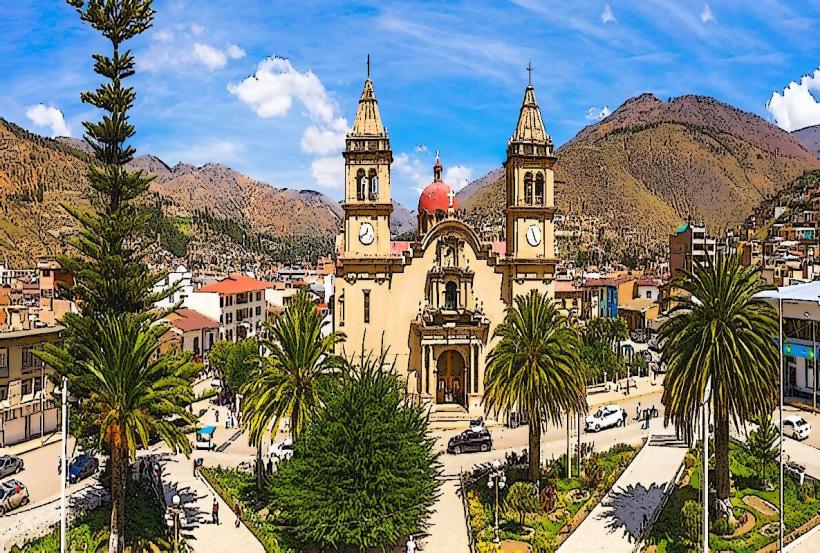
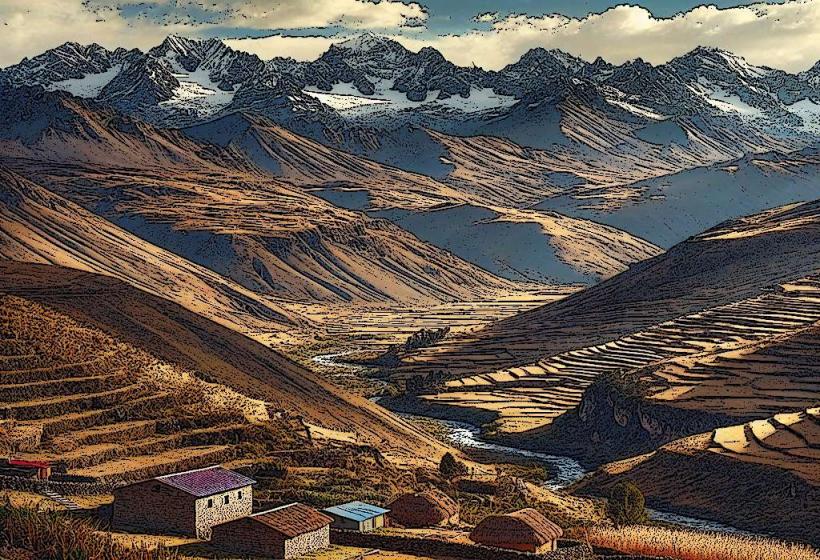
Tarma is a city in the central highlands of Peru, known as the Pearl of the Andes (La Perla de los Andes). Located in the Junín Region at an elevation of 3,050 m, it serves as a transitional hub between the high Andean peaks and the Amazonian cloud forests (Selva Alta).
Historical Timeline
The area was originally the territory of the Taruma culture, noted for advanced terraced agriculture. It was conquered by the Inca Pachacútec in the 15th century and later founded as a Spanish settlement in 1538. During the 19th century, Tarma gained prominence as a strategic military and commercial outpost. It was the birthplace of General Manuel A. Odría, President of Peru (1948–1956), who heavily invested in the city's modern infrastructure and neoclassical architecture.
Demographics & Population
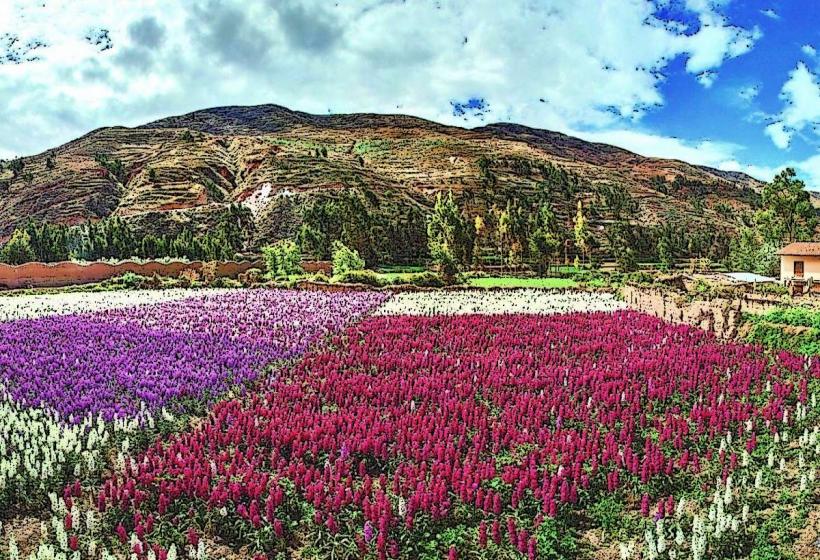
The metropolitan population is approximately 55,000. The economy is highly specialized in floriculture (flower farming), supplying the majority of Lima's floral markets. It is also a significant producer of coffee, potatoes, and dairy products.
Urban Layout & Key Districts
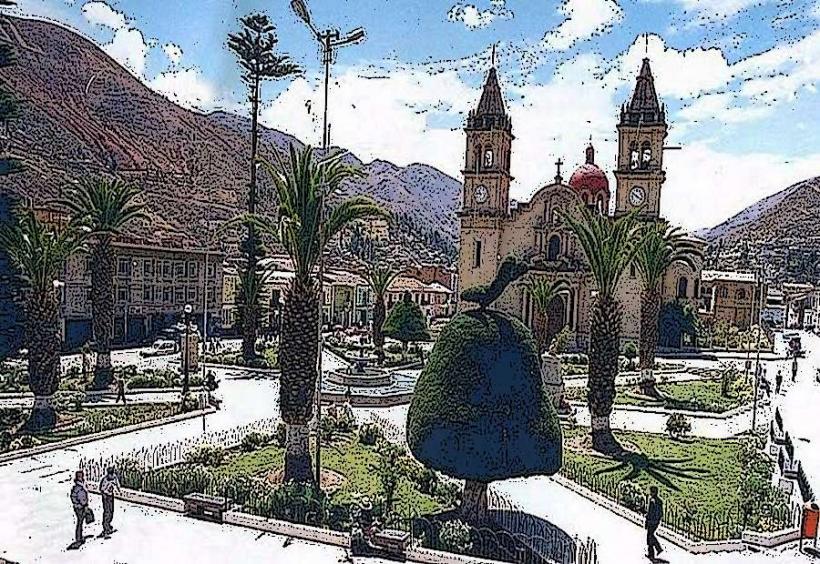
Historic Center: Characterized by a traditional Spanish grid, housing the Plaza de Armas and several 19th-century mansions.
Acobamba: A nearby district housing the Sanctuary of the Lord of Muruhuay, integrated into the city's pilgrimage circuit.
Tarmatambo: A village south of the city built over the remains of an important Inca administrative center and tambo (wayside station).
Top Landmarks
Cathedral of Santa Ana: A neoclassical cathedral on the Plaza de Armas, rebuilt in the 1950s, containing the remains of President Odría.
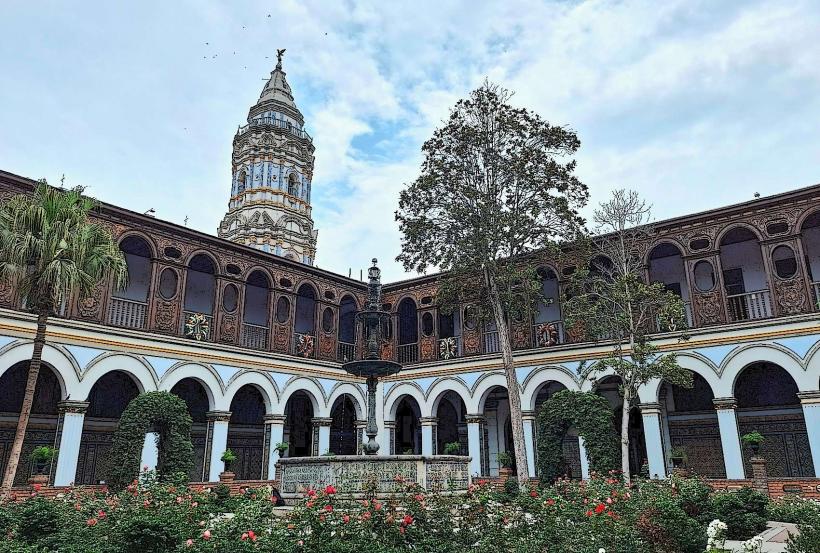
Sanctuary of the Lord of Muruhuay: A hillside church in Acobamba built around a rock where an image of Christ reportedly appeared; it is the center of one of the region's largest religious festivals.
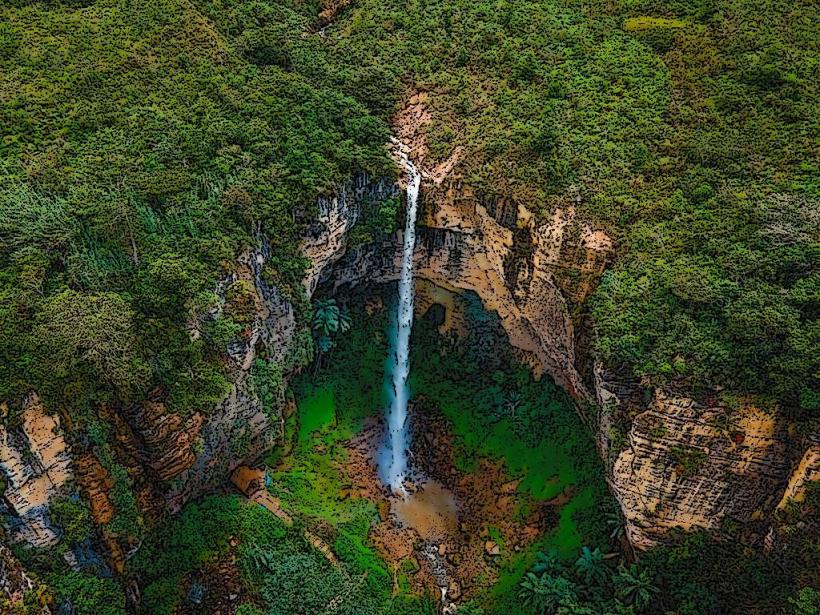
Gruta de Huagapo: Located 28 km away; one of the deepest caves in South America, featuring impressive stalactites and stalagmites.
Tarmatambo Ruins: An extensive complex of Inca terraces, stone storehouses (colcas), and a segment of the Qhapaq Ñan (Inca Road).
Transportation Network
Air: No commercial airport; travelers fly into Jauja (ATA) or Lima.
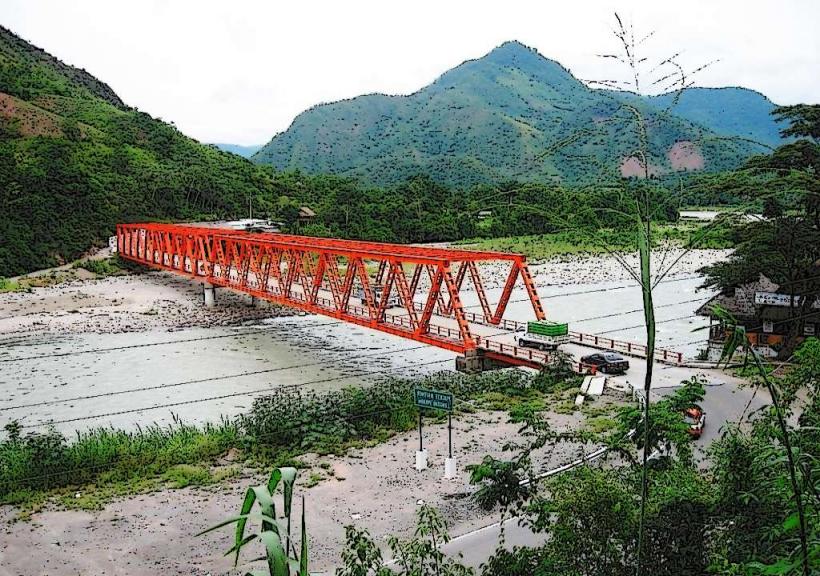
Road: A critical junction on the Central Highway route. It is the primary gateway to the Chanchamayo jungle (La Merced, San Ramón).
Transit Time: Approximately $5$–$6$ hours from Lima and $3$ hours from Huancayo by bus or minivan.
Safety & Health
Altitude: At 3,050 m, altitude is significant but generally more manageable than in nearby Junín or Cerro de Pasco. Acclimatization is still required.
Driving Safety: The route from Lima involves crossing the Ticlio Pass ($4,818$ m); narrow mountain roads and heavy truck traffic require experienced drivers.
Sun Exposure: High UV levels are constant due to altitude.
Digital & Financial Infrastructure
4G coverage is reliable in the city center. The currency is the Peruvian Sol (PEN). ATMs are found around the Plaza de Armas. Cash is mandatory for flower purchases, market goods, and local transport to ruins or caves.
Climate & Air Quality
Subtropical highland climate. It is significantly milder than the high puna regions.
Dry Season (May–Sept): Sunny days ($18^\circ\text{C}$–$22^\circ\text{C}$) and cold nights.
Wet Season (Oct–April): Increased rainfall, resulting in the "lush green" phase of the valley.
Air Quality: Excellent, noted for being some of the cleanest in the Peruvian Andes.
Culture & Social Norms
City of Flowers: Tarma is famous for its Flower Carpets (Alfombras de flores) created on the streets during Holy Week (Semana Santa) and the Festival of the Lord of Muruhuay in May.
Cuisine: Specialized in Pachamanca, Mondongo (tripe soup), and Manjar Blanco (local milk sweet).
Festivals: The Carnaval Tarmeño in February/March is one of the most traditional in the central highlands.
Local Cost Index (PEN)
1 Day Tour to Huagapo Cave: S/ 40.00–S/ 60.00
1 Liter of local Manjar Blanco: S/ 15.00–S/ 20.00
1 Shared Minivan from Lima: S/ 40.00–S/ 55.00
Facts & Legends
Legend says the water dripping from the Huagapo Cave's entrance is the tears of an Inca princess who fled there to hide from Spanish conquerors. A geographic fact: Tarma sits in a unique "microclimate pocket" that allows for the cultivation of both high-altitude tubers and temperate-climate flowers in the same valley. Historically, the city's 1820 declaration of independence preceded Lima's by several months, earning it early republican status.