Information
City: Thaa AtollCountry: Maldives
Continent: Asia
Thaa Atoll, Maldives, Asia
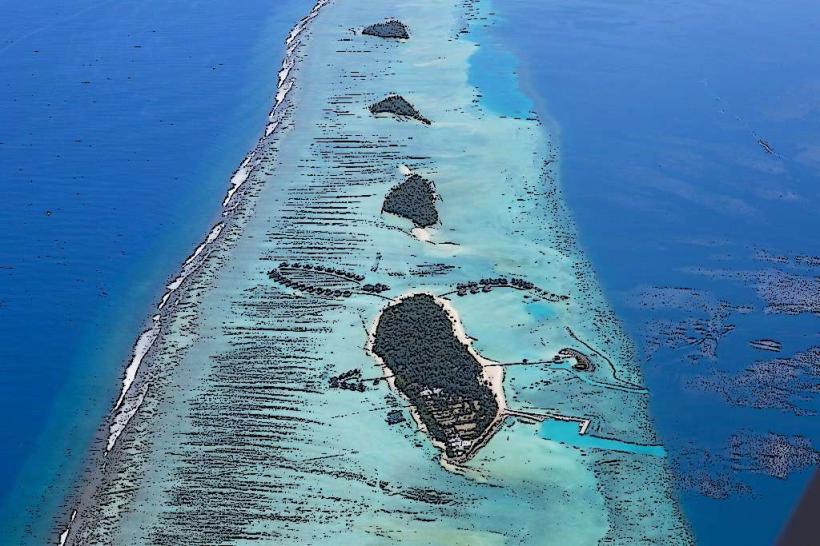
Thaa Atoll, also known as Kolhumadulu, is a horseshoe-shaped administrative division in the south-central Maldives. Historically isolated and sparsely populated, it is the last link in the primary central chain of atolls, often referred to as "the end of the archipelago."
Historical Timeline
Archeological evidence, including remains of Buddhist stupas (hawittas), suggests the atoll has been inhabited since at least the first millennium AD. It gained significant historical prominence as the birthplace of the Dhiyamigili Dynasty, which ruled the Maldives during the 18th century. In 1388, Sultan Osman I was banished to the island of Guraidhoo, where his tomb remains a notable site. The atoll's name "Kolhumadulu" is derived from the term for the terminal end of the island chain.
Demographics & Population
The population is approximately 10,300 (2022 Census), spread across 13 inhabited islands out of 66 total islands. Veymandoo serves as the administrative capital. The largest population centers include:
Veymandoo: The capital and commercial hub.
Guraidhoo: A significant residential island with historical ties to the Sultanate.
Thimarafushi: The logistical heart of the atoll due to its regional airport.
Vilufushi: A major fishing island that was almost entirely rebuilt following the 2004 tsunami.
Urban Layout & Key Islands
Veymandoo: Located on the western rim; characterized by traditional coral-stone architecture and sandy streets.
Thimarafushi: An industrial and transport hub at the southern tip; home to a large harbor and the atoll's airport.
Dhiyamigili: The ancestral seat of the Dhiyamigili Dynasty; contains ruins of a 18th-century palace built by Sultan Mohammed Imaaduddeen II.
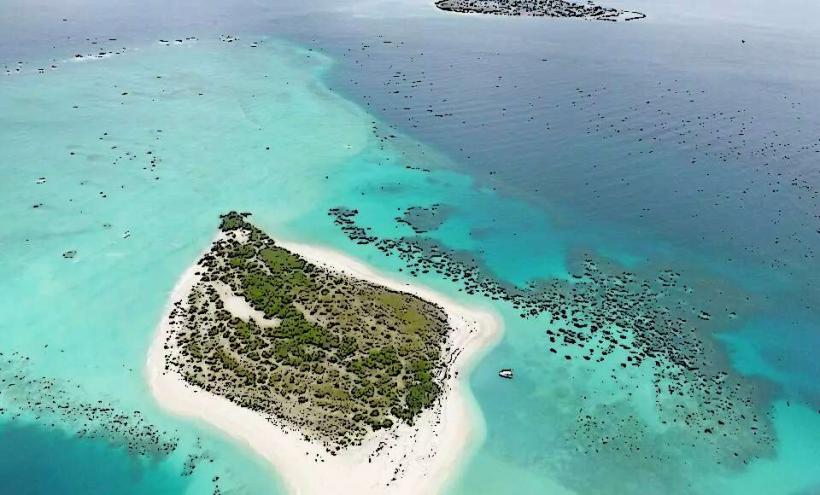
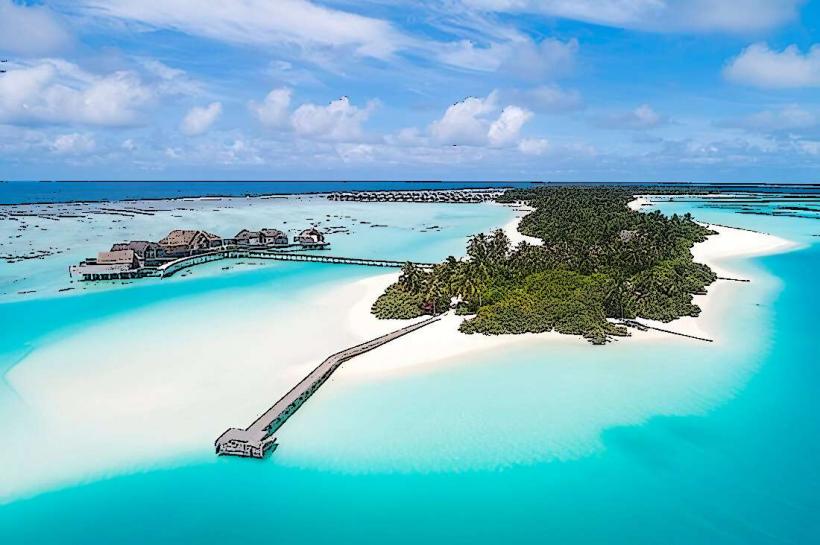
Fahala: The longest uninhabited island in the Maldives, featuring extensive white sand beaches on its eastern coast.
Kinbidhoo: An island with rich archeological history where Buddhist relics and artifacts have been excavated.
Top Landmarks & Marine Sites
Dhiyamigili Palace Ruins: The stone foundations and remains of the 18th-century royal residence.
Tomb of Sultan Osman I: A historical burial site on Guraidhoo Island dating back to the late 14th century.
7-3 Point / Inside Mikado: World-renowned surf breaks located near Thimarafushi and Hirilandhoo, offering consistent barrels.
Caribbean Garden: A popular dive site featuring a sandy plateau with macro-life, batfish, and whitetip reef sharks.
Gorgonian Garden: An advanced dive site known for its steep walls covered in large sea fans and frequent manta ray sightings.
Transportation Network
Air: Thimarafushi Airport (TMF) provides daily 35–45 minute domestic flights from Velana International Airport (MLE).
Sea: Speedboats connect Thimarafushi to the rest of the atoll (approx. 20–60 mins). Public ferries run on a fixed schedule between inhabited islands but are slow.
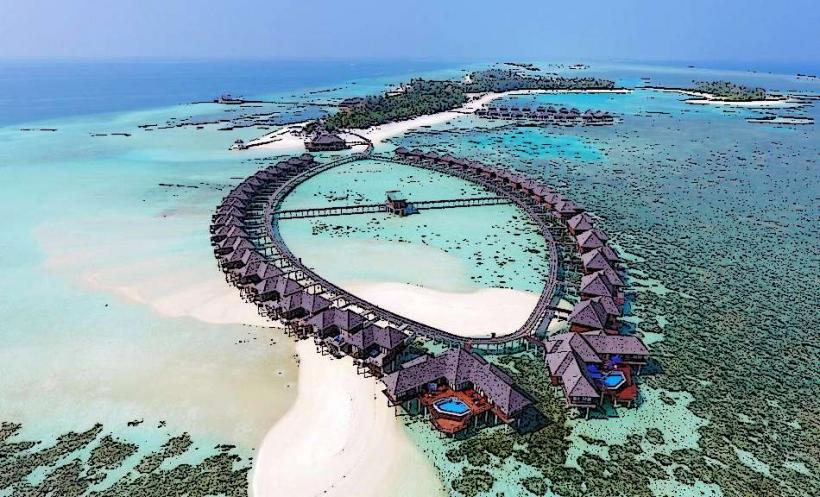
Resort Transfer: Luxury resorts like COMO Maalifushi utilize private seaplanes for direct transfers from the capital.
Safety & Environmental Regulations
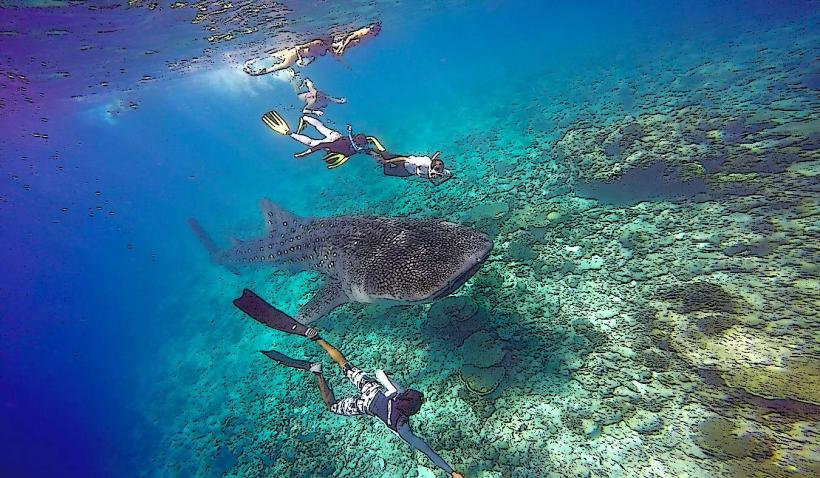
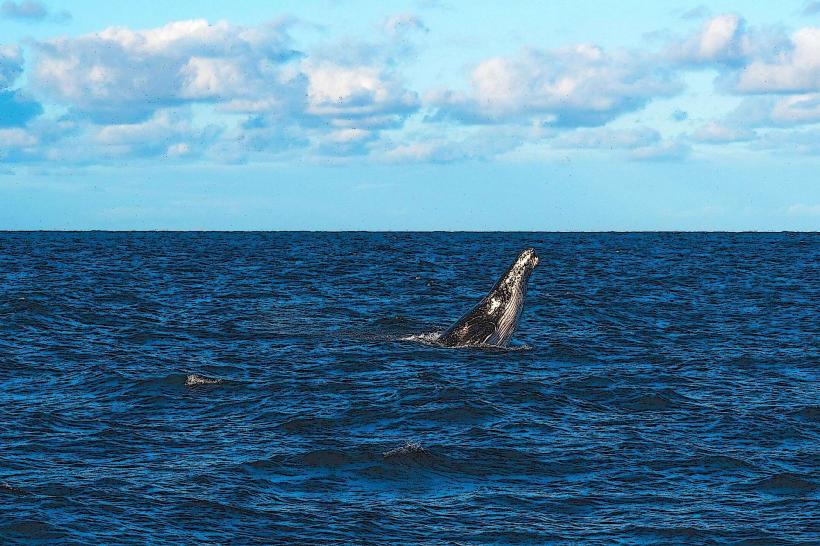
Whale Shark Conservation: Thaa is a noted hotspot for whale sharks. Guidelines prohibit touching or obstructing these animals, especially during night snorkeling.
Remote Navigation: Due to its "untouched" nature, many reefs are not as well-marked as those in the central atolls; daytime navigation is mandatory for local vessels.
Bikini Policy: Since tourism is primarily resort-based or centered on a few guesthouses, modest dress (covering shoulders and knees) is strictly required on all 13 inhabited islands.
Digital & Financial Infrastructure
4G coverage is reliable near the inhabited islands (Dhiraagu and Ooredoo). ATMs and branches of the Bank of Maldives are located on the capital, Veymandoo, and Thimarafushi. The Maldivian Rufiyaa (MVR) is the primary currency.
Climate & Ecology
Climate: Tropical. The atoll is less sheltered than the northern Maldives, experiencing stronger winds during the Southwest Monsoon (May–October).
Ecology: Thaa is unique for its large, deep interior lagoon and its abundance of black corals and gorgonian sea fans. It remains one of the most biodiverse and least exploited marine environments in the country.
Culture & Social Norms
Traditional Crafts: The atoll is one of the few remaining centers for high-quality thudu kuna (woven reed mats) and traditional lacquer work.
Fisheries: Local life revolves around the skipjack tuna industry; the fish-smoking and drying processes (hikimas) are visible on almost every inhabited island.
Local Cost Index
1 Espresso (Thimarafushi): ~45 MVR ($2.90)
1 Domestic Flight (One-way): ~1,500–2,500 MVR ($97–$162)
1 Local Meal: ~80–120 MVR ($5–$8)
Facts & Legends
A verified historical oddity is that a 9th-century copperplate box was discovered on Hirilandhoo, providing some of the earliest physical evidence of organized administration in the southern Maldives. Local legend claims that King Koimala, the first king of the unified Maldives, initially intended to establish his capital in Thaa Atoll before ultimately choosing Malé.