Information
Landmark: Whale Watching AreasCity: Thaa Atoll
Country: Maldives
Continent: Asia
Whale Watching Areas, Thaa Atoll, Maldives, Asia
Thaa Atoll, Maldives, is a recognized location for observing cetaceans. This atoll is situated in the southern part of the Maldives archipelago.
Visual Characteristics
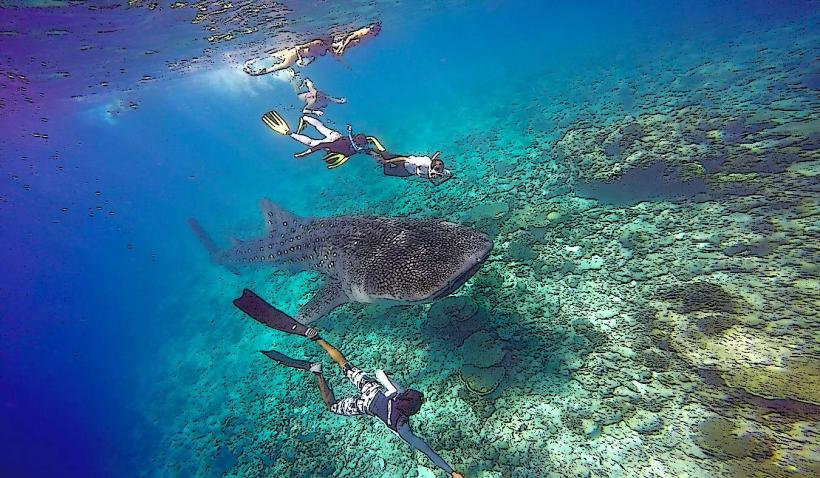
The visual characteristics are primarily defined by the marine environment. The ocean water exhibits varying shades of blue and turquoise, influenced by depth and sunlight. The seabed in shallower areas is often visible, revealing coral formations and sandy patches. The surface of the water can be calm or exhibit wave patterns depending on wind conditions. Marine life, including whales and dolphins, are the primary visual focus during observation periods.
Location & Access Logistics
Thaa Atoll is accessible via Velana International Airport (MLE) in Malé, followed by a domestic flight to Thimarafushi Airport (TMF) or a seaplane transfer to a resort within the atoll. From Thimarafushi Airport, local boat transfers are required to reach specific whale watching points or islands. Travel time from Malé to Thaa Atoll by domestic flight is approximately 45 minutes. Boat transfers within the atoll vary in duration depending on the destination island or reef. There are no direct road connections from Malé to Thaa Atoll. Parking is available at Velana International Airport and at local island jetties for those arriving by private vessel.
Historical & Ecological Origin
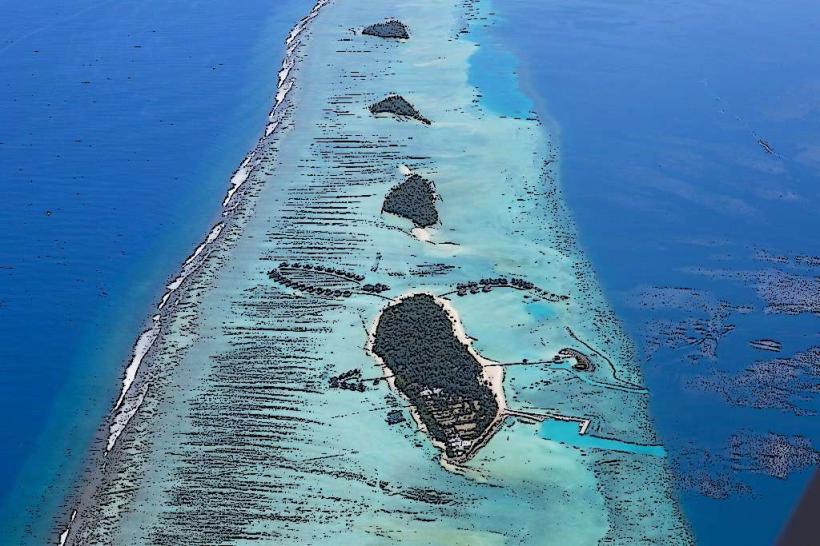
Thaa Atoll is an ecological formation characteristic of the Maldives, consisting of a series of coral islands and reefs that have developed on the rim of a submerged volcanic structure. The atoll's marine ecosystem supports a diverse range of species, including migratory whale populations that utilize the waters for feeding and breeding. The specific geological formation is a classic example of an atoll, formed by the accumulation of coral polyps over millennia.
Key Highlights & Activities
Whale watching excursions are the primary activity. These typically involve boat trips departing from inhabited islands or resorts. Specific activities include observing various whale species, such as pilot whales and possibly blue whales during migration seasons. Dolphin pods are also frequently sighted. Snorkeling and diving in designated reef areas are possible when not actively engaged in whale watching. Fishing charters are also available.
Infrastructure & Amenities
Infrastructure varies by island. Larger inhabited islands and resorts offer guest houses or hotels with basic amenities. Restrooms are generally available at accommodations and public areas on inhabited islands. Shade is provided by natural vegetation (palm trees) and constructed shelters on beaches. Cell phone signal (4G) is generally available on inhabited islands and at resorts, but can be intermittent at sea. Food vendors and restaurants are present on inhabited islands and at resorts, offering local and international cuisine.
Best Time to Visit
The optimal period for whale watching in Thaa Atoll is generally from November to April, coinciding with the dry season and calmer seas. Specific whale species may have peak sighting periods within this window. For photography, early morning and late afternoon offer favorable lighting conditions with reduced glare on the water. High tide is not a critical factor for whale watching, but calm sea conditions are preferred.
Facts & Legends
A local belief suggests that the presence of certain whale species is an indicator of good fortune for the fishing season. Historically, the atoll was a significant stopover point for traders navigating ancient maritime routes, though specific records for Thaa Atoll are less detailed than for larger atolls. A practical tip for visitors is to book whale watching tours in advance, especially during peak season, as availability can be limited.
Nearby Landmarks
- Laamu Atoll (15km Southwest)
- Gaafu Alifu Atoll (70km South)
- Dhaalu Atoll (50km Northwest)
- Mulaku Atoll (30km North)