Information
City: TrangCountry: Thailand
Continent: Asia
Trang, Thailand, Asia
Trang, located on the Andaman coast in Southern Thailand, is a primary agricultural hub and a quiet alternative to its more developed neighbors, Phuket and Krabi. As of January 2026, the province is maintaining its reputation as a "low-key" destination while undergoing increased anti-corruption scrutiny regarding coastal land use.
Historical Timeline
1st Century: Early settlement as a part of the Srivijaya Empire and later the Malay Sultanate of Kedah.
1899: Governor Phraya Ratsadanupradit Mahison Phakdi planted Thailand’s first rubber tree in Trang, sparking the nation's primary export industry.
1916: King Rama VI moved the provincial capital from the delta (Kantang) 26 km inland to its current location due to persistent flooding.
2024–2026: Implementation of the IMT-GT (Indonesia-Malaysia-Thailand Growth Triangle) blueprint to enhance maritime connectivity and revive pre-pandemic cruise destinations.
Demographics & Population (2026)
The provincial population is estimated at 635,000.
Urban Core: Trang City (Thap Thiang) houses approximately 60,000 residents.
Ethnic Composition: A high concentration of Thai-Chinese (Hokkien) and Thai-Muslims (~18.5%), resulting in a distinct architectural and culinary hybrid.
Economy: Heavily reliant on rubber and oil-palm plantations, supplemented by niche tourism.
Urban Layout & Districts
Trang City: The modern administrative center; famous for its clock tower, street art, and "Frog Head" tuk-tuks.
Kantang: The "Old Town" and former seaport; home to the historic end-of-the-line railway station and the First Rubber Tree.
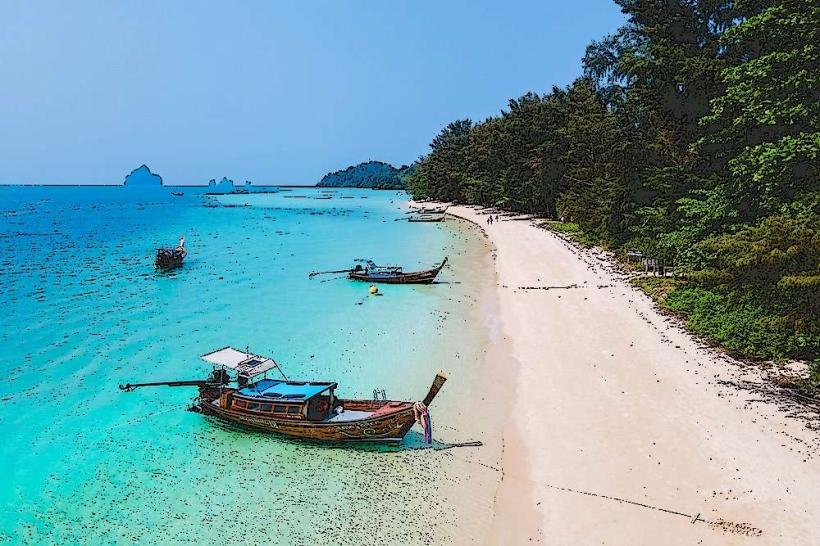
Pak Meng: The primary gateway for island departures; features a 5 km crescent-shaped beach.
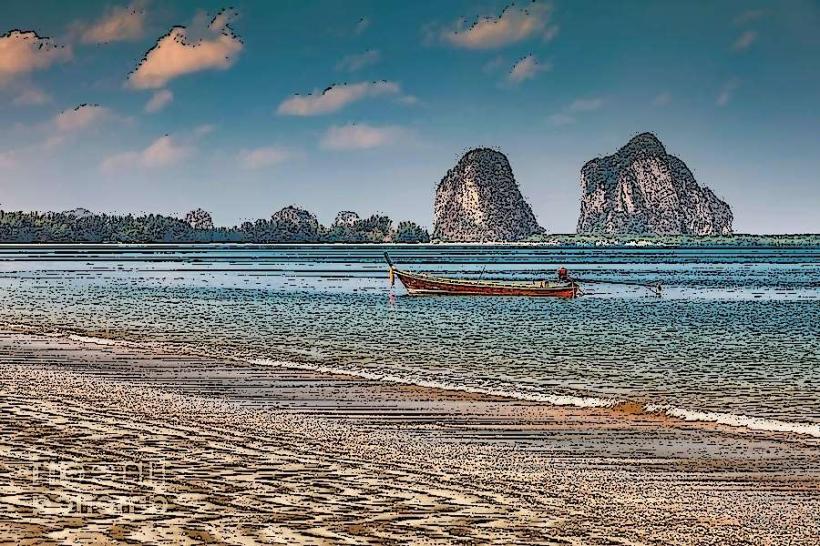
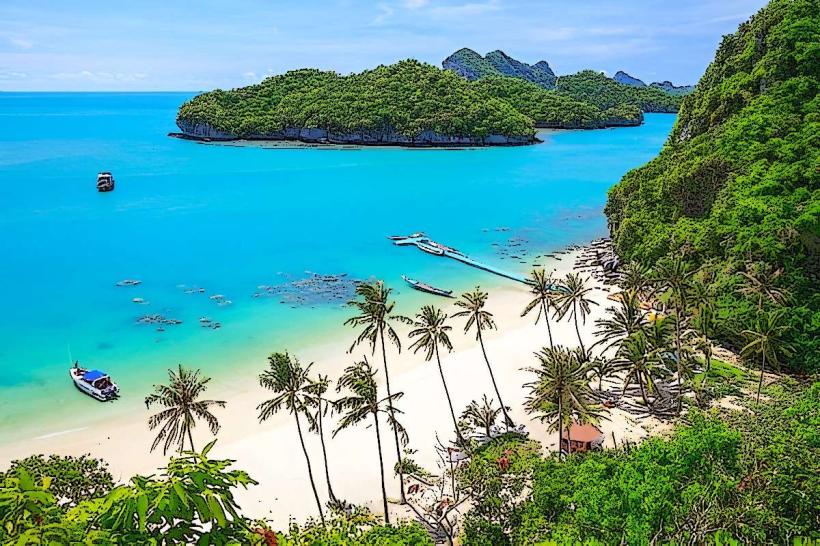
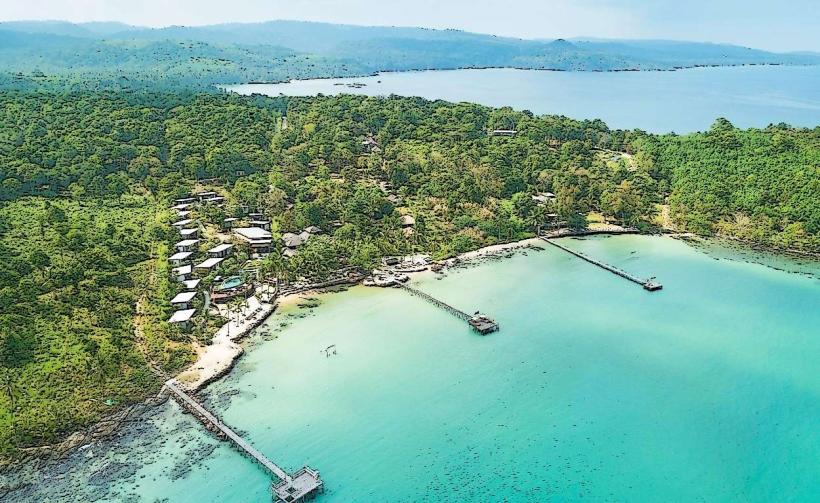
The Islands: Includes Koh Muk (Emerald Cave), Koh Libong (dugong sanctuary), and Koh Kradan (famed for underwater weddings).
Top Landmarks & Attractions
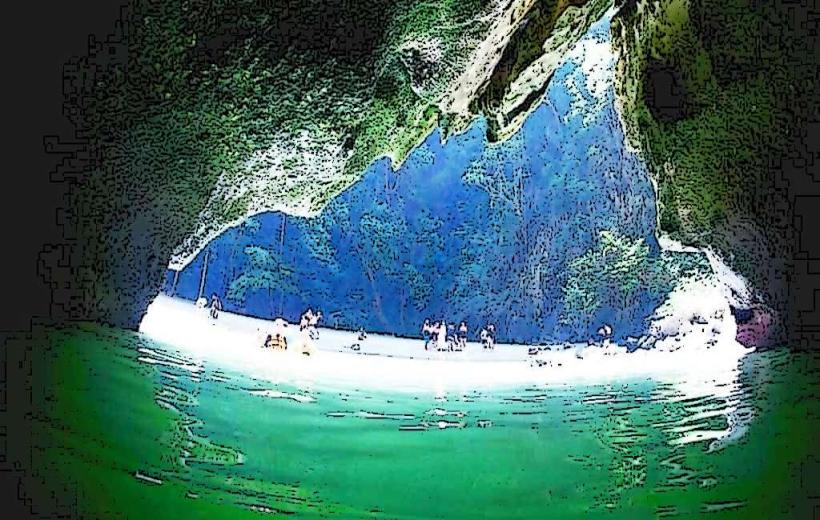
Emerald Cave (Tham Morakot): An 80-meter sea cave on Koh Muk leading to a hidden interior lagoon and white sand beach.
Trang Clock Tower: The city's primary landmark, especially vibrant during evening light displays.
First Rubber Tree of Thailand: Located in Kantang; a protected living monument to the region's economic history.
Dugong Circle: A city roundabout honoring the endangered dugongs that reside in the seagrass beds off Koh Libong.
Cinta Trang Market: A modern night market popular for local food, photography, and social gatherings.
Thung Khai Botanic Garden: Features a unique "Treetop Walk" through the lowland rainforest.
Transportation & Infrastructure (2026)
Aviation: Trang Airport (TST) remains an efficient domestic hub. Daily flights from Bangkok (Don Mueang) are currently averaging ฿1,500 – ฿3,500.
Rail: The Southern Line terminal at Trang/Kantang remains operational; the overnight sleeper from Bangkok is a preferred low-cost transit method (~14 hours).
Maritime: Under the 2026 IMT-GT roadmap, maritime infrastructure is being upgraded to support the revival of regional cruise circuits.
Public Transit: The iconic "Frog Head" Tuk-Tuks remain the primary mode of urban travel; local Songthaews operate fixed routes for ฿10–20.
Current Status (January 21, 2026)
Weather: Peak dry season. Today is sunny with a high of 32°C and a low of 22°C.
Air Quality: The AQI is currently Good (34), significantly cleaner than the northern regions of Thailand today.
Legal/Social: The National Anti-Corruption Commission (NACC) is currently (Jan 21) investigating suspected public land encroachment by hotel projects in the Bang Rak subdistrict.
Tourism: January remains the optimal "high season" for island visits due to calm seas and high visibility (13 km reported today).
Local Cost Index (THB)
Trang Breakfast (Dim Sum/Roasted Pork): ฿150 – ฿300 (per group)
Budget Guesthouse: ฿400 – ฿600
Island Longtail Boat (Private Day Trip): ฿1,800 – ฿2,800
Street Meal (Khao Gaeng): ฿40 – ฿60
Facts & Legends
A verified historical oddity: Trang is the only place in Thailand that uses "Frog Head" Tuk-Tuks, which were originally imported from Japan in the 1960s; they are now a protected cultural symbol of the city. A local legend concerns the Dugongs of Libong; ancient sea gypsies (Chao Leh) believed the dugongs were once humans who were transformed by the sea gods to serve as guardians of the seagrass, leading to a long-standing local taboo against hunting them that predates modern conservation laws.