Information
City: UdaipurCountry: India
Continent: Asia
Udaipur, India, Asia
Udaipur is an incorporated city and the seat of Udaipur District in the state of Rajasthan. Situated in the Girwa Valley and surrounded by the Aravalli Range, it is globally recognized as the "City of Lakes" and the "Venice of the East." It is a primary center for heritage tourism, high-end destination weddings, and the historical heart of the Mewar Kingdom.
Historical Timeline
Inhabited by the Bhil and other tribal communities before Rajput rule. Founded in 1559 by Maharana Udai Singh II as the new capital of the Mewar Kingdom after the fall of Chittorgarh to the Mughals. A critical historical event occurred in 1576 with the Battle of Haldighati, where Maharana Pratap resisted the forces of Emperor Akbar. Unlike many other Rajput states, Mewar maintained a high degree of resistance against Mughal dominance for decades. In 1818, it became a princely state under British protection. In 2026, the city is a key node in Rajasthan’s tourism economy and a designated Smart City.
Demographics & Population
The 2026 metro area population is approximately 712,000. The demographics are predominantly Hindu (73%), Muslim (15.7%), and Jain (9.9%). The economy is driven by Tourism, Mineral Mining (Zinc and Marble), Handicrafts, and Agriculture. The city is the headquarters of Hindustan Zinc, one of the world's largest zinc producers.
Urban Layout & Key Districts
Udaipur is structured around its interconnected lake system and the historic walled city.
The Walled City (Old City): A maze of narrow, winding streets containing historic Havelis, artisanal workshops, and the primary market gates (Hathipole, Surajpole).
Lake Pichola Waterfront: The primary tourist zone featuring luxury palace hotels and historic ghats (Gangaur Ghat, Ambrai Ghat).
Fateh Sagar Enclave: A more modern, recreational district popular for its lakeside promenade and parks.
Sukhadia Circle: The modern commercial heart of the city, known for its large fountain and street food clusters.
Top City Landmarks
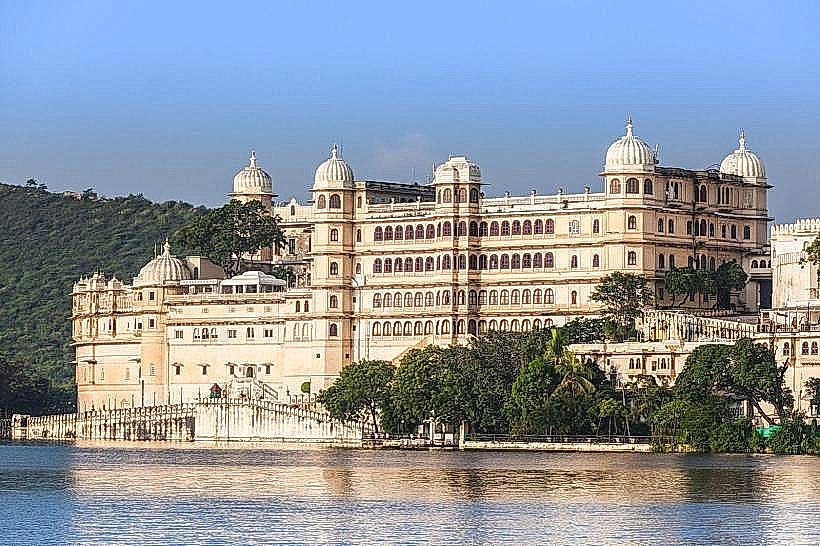
City Palace: A massive complex built over 400 years on the banks of Lake Pichola; it is a blend of Rajasthani and Mughal architecture and remains the residence of the royal family.
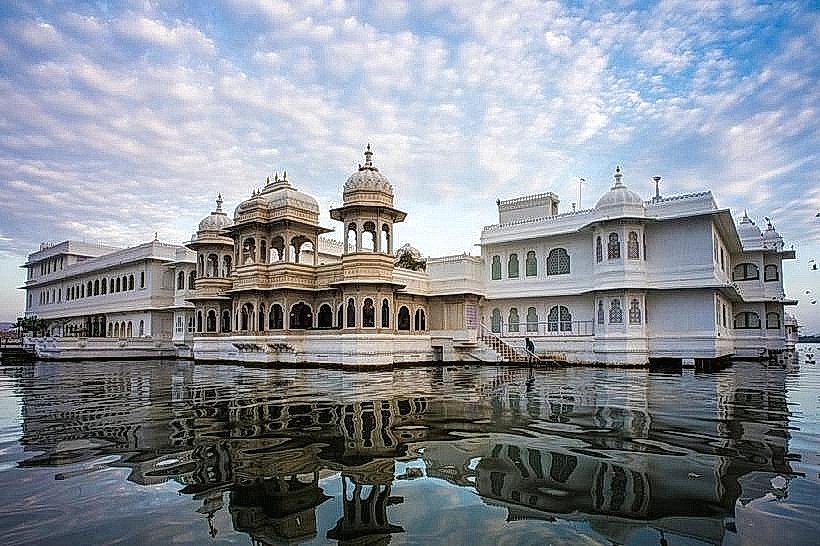
Lake Palace (Jag Niwas): An 18th-century white marble palace situated in the center of Lake Pichola, now operating as a world-famous luxury hotel.
Jagmandir: An island palace on Lake Pichola that reportedly served as an inspiration for the Taj Mahal's marble work.
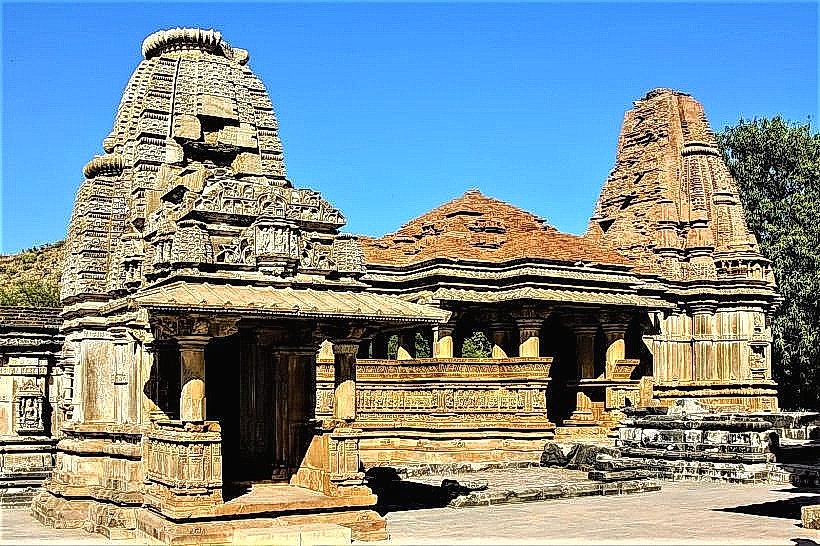
Jagdish Temple: A large Indo-Aryan temple built in 1651, dedicated to Lord Vishnu and noted for its intricate stone carvings.
Sajjangarh (Monsoon Palace): Perched on a hilltop overlooking the city; built by Maharana Sajjan Singh to watch the monsoon clouds and track the weather.
Saheliyon-ki-Bari: The "Garden of the Maidens," featuring marble elephants, fountains, and lotus pools designed for the royal ladies.
Transportation Network
Movement is facilitated by auto-rickshaws, app-based cabs (Uber/Ola), and a developing local bus network. Maharana Pratap Airport (UDR) is located 22 km east, offering robust domestic connections. Udaipur City Railway Station connects to major Indian metros. In 2026, the city is focused on improving lakeside pedestrian infrastructure to mitigate congestion in the Old City.
Safety & "Red Zones"
The general safety level is high. Udaipur is considered one of the safest cities in India for solo travelers. Standard awareness is advised near Hathipole and Delhi Gate due to heavy traffic and pickpockets. Environmental hazards include monsoon flash floods in low-lying lakeside areas and severe summer heat.
Digital & Financial Infrastructure
High-speed 5G is universal in the city center. UPI is the ubiquitous payment method for everything from boat rides to local handicrafts. International credit cards are accepted at all major hotels and high-end retail outlets.
Climate & Air Quality
Temperatures range from 8°C to 25°C in winter and 28°C to 42°C in summer. The monsoon season (July–September) is critical for replenishing the lake levels. Air quality is generally better than in northern Indian cities, though dust levels can be high during the dry season.
Culture & Social Norms
The standard tipping percentage is 10–15% in restaurants. A "Refined-Hospitable" greeting is standard. Dress codes are "Culturally Respectful" (shoulders and knees covered when visiting temples). The city is culturally defined by Mewari Heritage, Pichwai Painting, and Miniature Art.
Local Cost Index
1 Espresso (Cappuccino): ₹175 ($2.10 USD)
1 Standard Lunch: ₹350 ($4.20 USD)
1 City Palace Entry: ₹30 (Indians) / ₹400+ (Foreigners).
Nearby Day Trips
Kumbhalgarh Fort: (85 km north; featuring the second-longest continuous wall in the world).
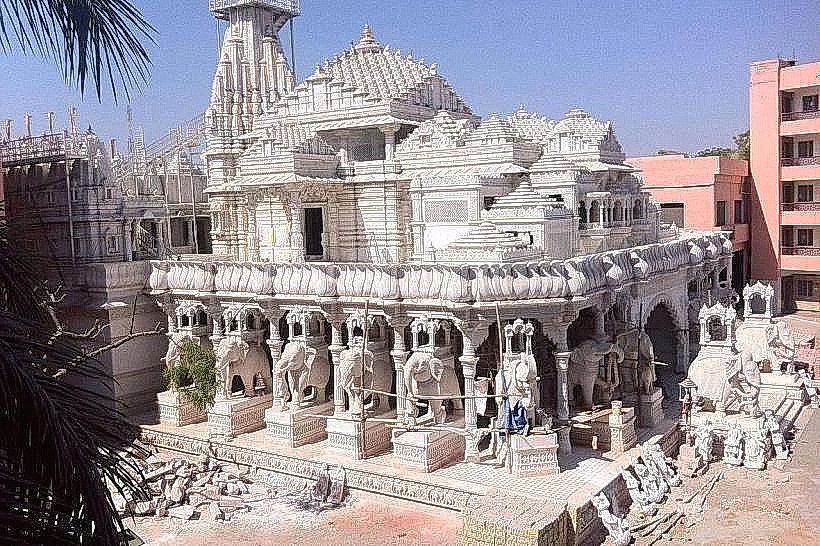
Ranakpur Jain Temple: (95 km north; an architectural masterpiece with 1,444 uniquely carved pillars).
Chittorgarh Fort: (115 km east; the largest fort in India and former Mewar capital).
Facts & Legends
Udaipur is one of the few places in India where the sun is never seen to set behind a flat horizon, always disappearing behind the Aravalli peaks. Historically, the royal family claims direct descent from the Sun God (Suryavansha). A local legend claims that the founder, Udai Singh II, met a hermit while hunting who told him to build his palace on the exact spot to ensure his kingdom would never be conquered. Another legend concerns the "Bagore-ki-Haveli Ghost," a spirit said to guard the ancient puppets and turbans stored in the museum.