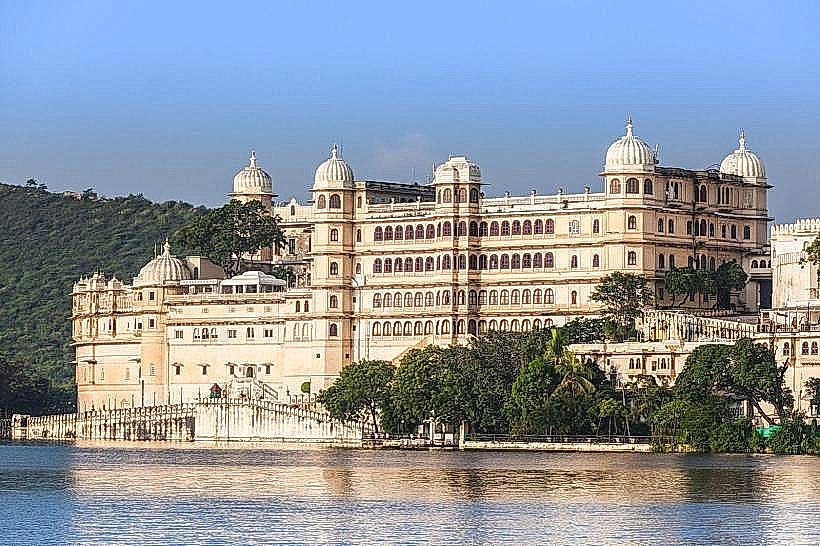
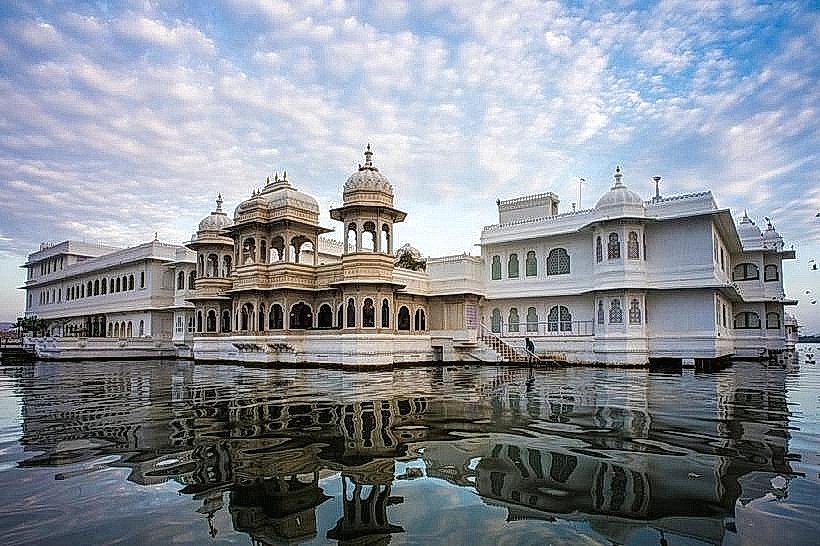
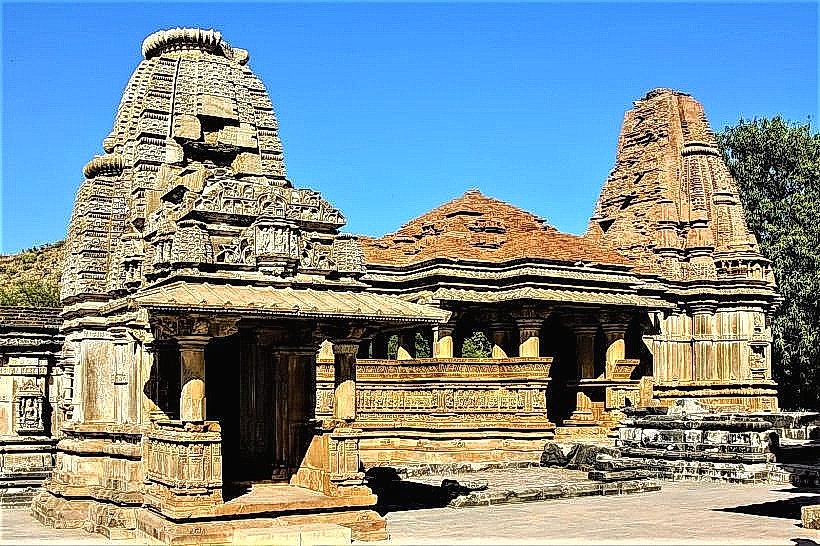
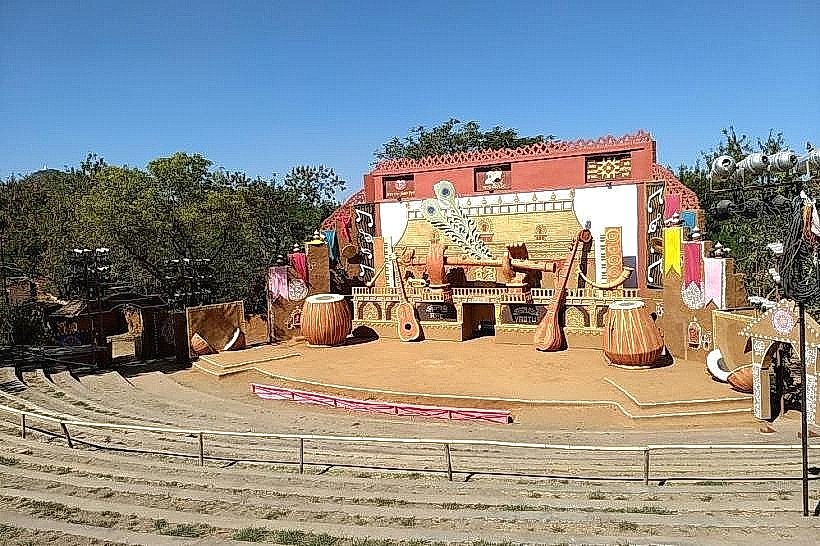
Information
Landmark: Kesariyaji Temple (Ranakpur Jain Temple)City: Udaipur
Country: India
Continent: Asia
Kesariyaji Temple (Ranakpur Jain Temple), Udaipur, India, Asia
The National Assembly Building is the primary legislative body of Burkina Faso, located in the capital city of Ouagadougou.
Visual Characteristics
The structure is a multi-story concrete building with a rectangular footprint. Its exterior is finished in a neutral, light-colored stucco. The building features a series of regularly spaced, rectangular windows and a flat roof. The architectural style is functional and modern, prioritizing utility over ornamentation.
Location & Access Logistics
The National Assembly Building is situated in the central administrative district of Ouagadougou. It is approximately 2 kilometers east of the city center. Access is via Avenue Thomas Sankara. Limited on-site parking is available for official vehicles and pre-arranged visitors. Public transport routes serving the administrative sector are accessible within a 500-meter walk.
Historical & Ecological Origin
Construction of the National Assembly Building was completed in 1998. It was designed to house the country's legislative functions following constitutional reforms. The building's origin is purely man-made, serving a governmental purpose.
Key Highlights & Activities
Public access to the building is restricted. However, official parliamentary sessions are sometimes open to observers, requiring prior arrangement and security clearance. The exterior architecture can be viewed from the surrounding public spaces.
Infrastructure & Amenities
Restrooms are available within the building for authorized personnel. Limited shade is provided by the building's overhangs in certain areas. Cell phone signal (4G/5G) is generally strong in this administrative district. No public food vendors are located directly at the building; options are available in the surrounding commercial areas.
Best Time to Visit
For viewing the exterior, any time of day is suitable. Mid-morning or late afternoon offers softer lighting conditions for photography. The building's function is tied to the parliamentary calendar; external viewing is not dependent on specific months or tides.
Facts & Legends
The building's construction was a significant undertaking, reflecting the nation's commitment to its democratic institutions. A notable historical detail is that the site was previously occupied by a different administrative structure before the current National Assembly was erected.
Nearby Landmarks
- Presidential Palace - 0.8km West
- National Museum of Burkina Faso - 1.2km Southwest
- Place de la Nation - 1.5km West
- Grand Mosque of Ouagadougou - 1.8km Southwest