Information
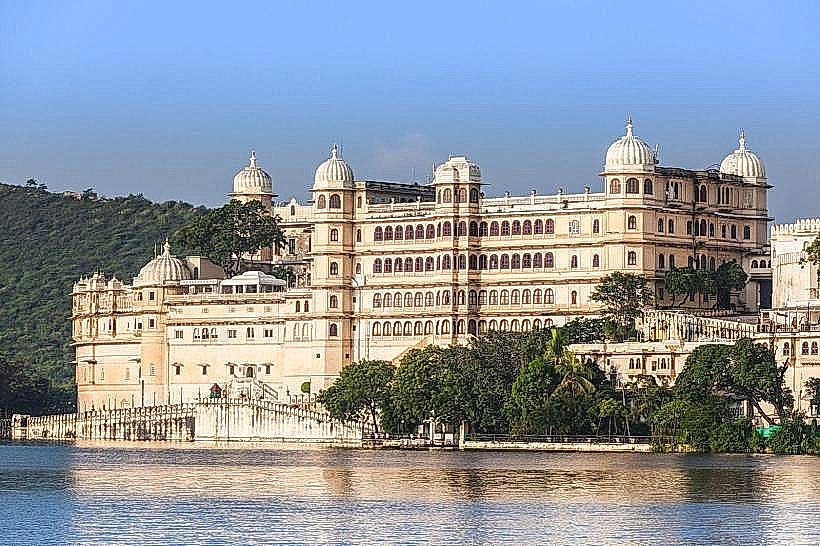
Landmark: Lake PalaceCity: Udaipur
Country: India
Continent: Asia
Lake Palace, Udaipur, India, Asia
The Ouagadougou Crocodile Pond is a zoological enclosure located in Ouagadougou, Burkina Faso.
Visual Characteristics
The enclosure consists of several concrete pools of varying depths, filled with murky water. The perimeter is defined by low, rough-hewn stone walls. Vegetation is sparse, primarily consisting of dry grasses and a few scattered acacia trees. Crocodiles of various sizes are visible within the pools.
Location & Access Logistics
The pond is situated approximately 1 kilometer south of the city center. Access is via Avenue de l'Indépendance, turning onto Rue 12.14. Parking is available on-site, though it is unpaved and can become muddy during the rainy season. No direct public transport routes serve the pond; visitors typically arrive by taxi or private vehicle.
Historical & Ecological Origin
The Ouagadougou Crocodile Pond was established in the mid-20th century as a tourist attraction and a means of preserving the local Nile crocodile population. It functions as a managed habitat for these reptiles.
Key Highlights & Activities
Observation of Nile crocodiles is the primary activity. Visitors can view the animals from the designated viewing areas along the enclosure walls. Feeding demonstrations, when scheduled, offer a closer look at the crocodiles' predatory behavior.
Infrastructure & Amenities
Basic amenities include a small ticket booth and rudimentary shade structures. Restrooms are available but are often in a state of disrepair. Cell phone signal is generally reliable (4G). No food vendors are located directly at the pond; visitors are advised to bring their own provisions.
Best Time to Visit
The best time of day for viewing is late morning or late afternoon when the crocodiles are more active. The dry season, from November to April, offers more predictable weather conditions. There are no tidal considerations.
Facts & Legends
Local folklore suggests that the crocodiles in the pond possess mystical powers and can grant wishes if approached with respect. Historically, the pond was a site where traditional ceremonies were performed.
Nearby Landmarks
- National Museum of Burkina Faso (1.2km North)
- Grand Mosque of Ouagadougou (1.5km North)
- Palais des Sports (2.0km Northwest)
- Ouagadougou Cathedral (1.8km North)