Information
City: Vieux FortCountry: Saint Lucia
Continent: North America
Vieux Fort, Saint Lucia, North America
Vieux Fort is the southernmost town and second-largest commercial center of Saint Lucia. It serves as the primary international gateway to the island and the main logistical hub for the southern districts. Historically, it was the site of the island's first sugar plantation and later a strategic World War II base for the United States military.
2026 Strategic & Infrastructure Context
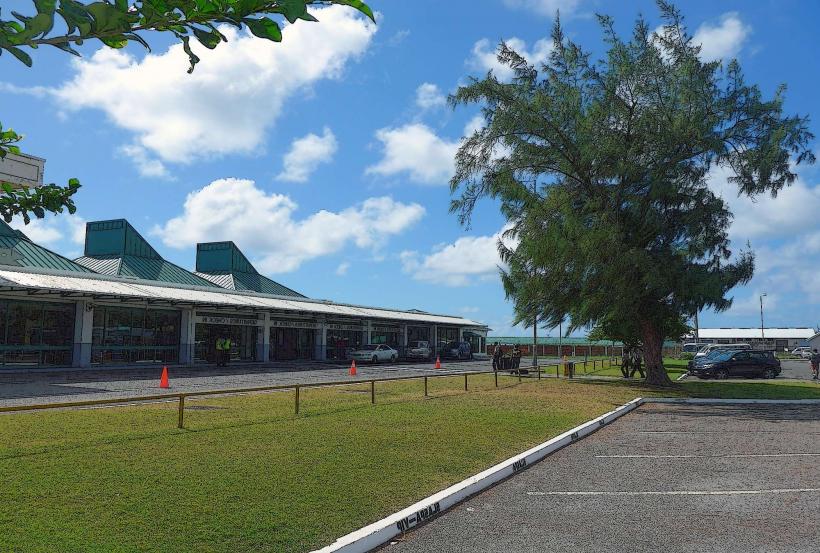
Hewanorra International Airport (HIA) Expansion: As of January 2026, construction of the new terminal building has officially commenced. This project includes a new air traffic control tower and expanded apron capacity to support the island's goal of becoming a major regional transit hub.
St. Jude Hospital: The full commissioning of the reconstructed St. Jude Hospital is a priority for 2026, providing a modern healthcare facility for the southern population.
Vieux Fort Administrative Complex: Construction of a new centralized government complex is scheduled to begin in early 2026 to streamline public services in the south.
National Logistics: The Vieux Fort Sea Port remains the secondary deep-water port, specializing in container transshipment and industrial exports.
Demographics & Population
The 2026 population of the Vieux Fort District is approximately 16,500. The demographic is primarily of African descent, with a smaller population of East Indian and mixed heritage. The town has a younger median age compared to the national average, driven by employment opportunities in the free trade zone, manufacturing, and the airport.
Urban Layout & Key Districts
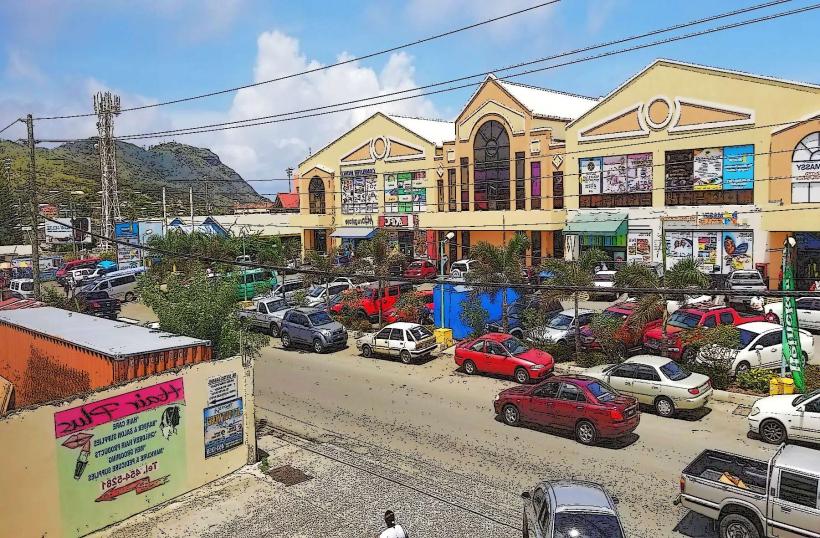
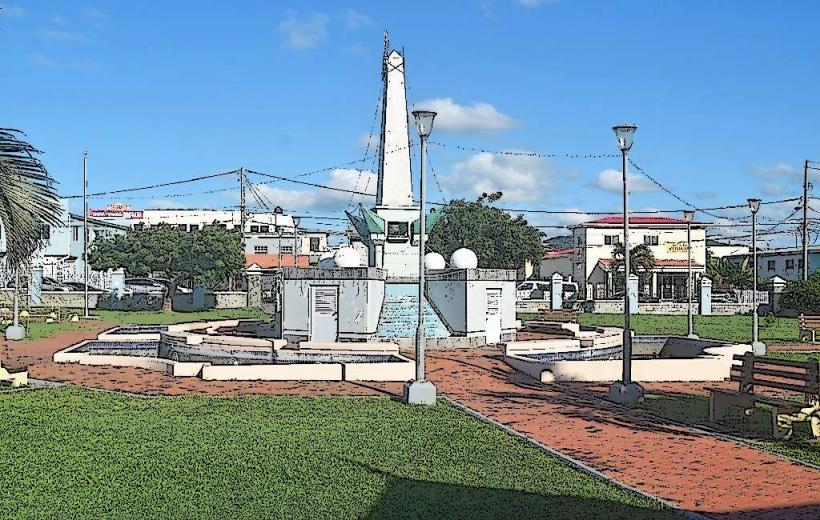
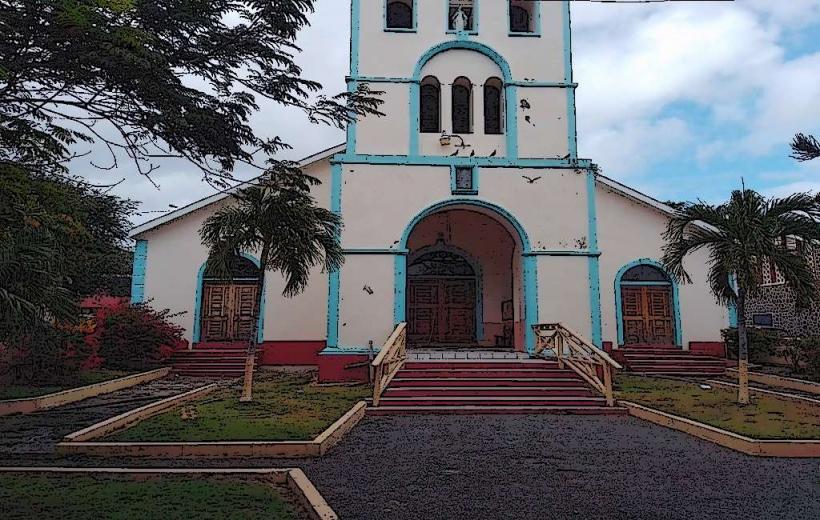
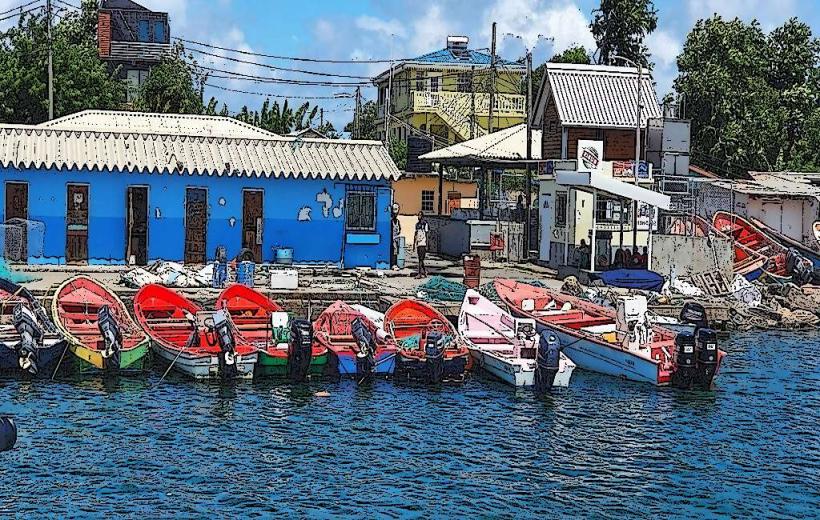
Downtown Vieux Fort: A bustling commercial core known for its traditional market, fishery complex, and French Creole architecture (e.g., the Old Plantation House).
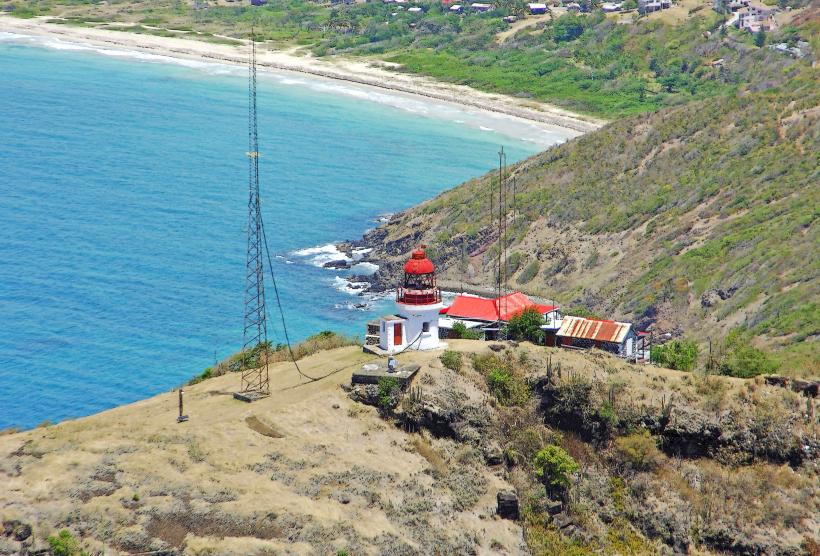
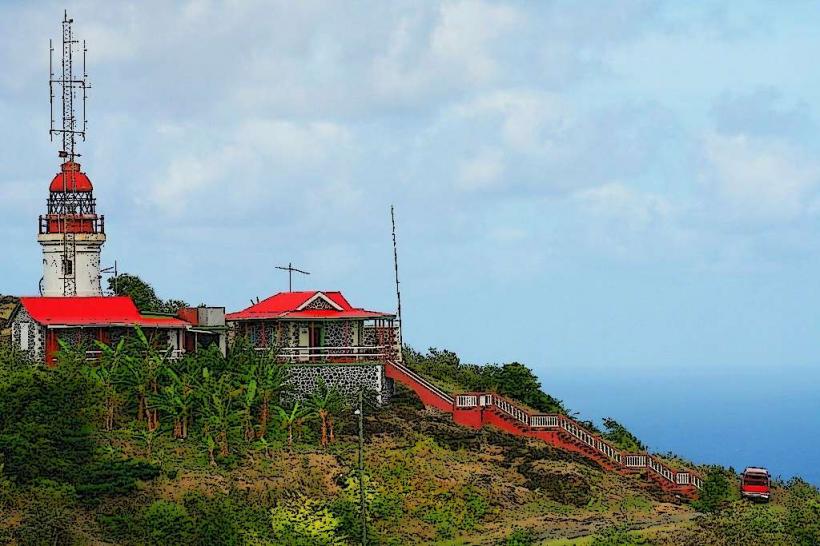
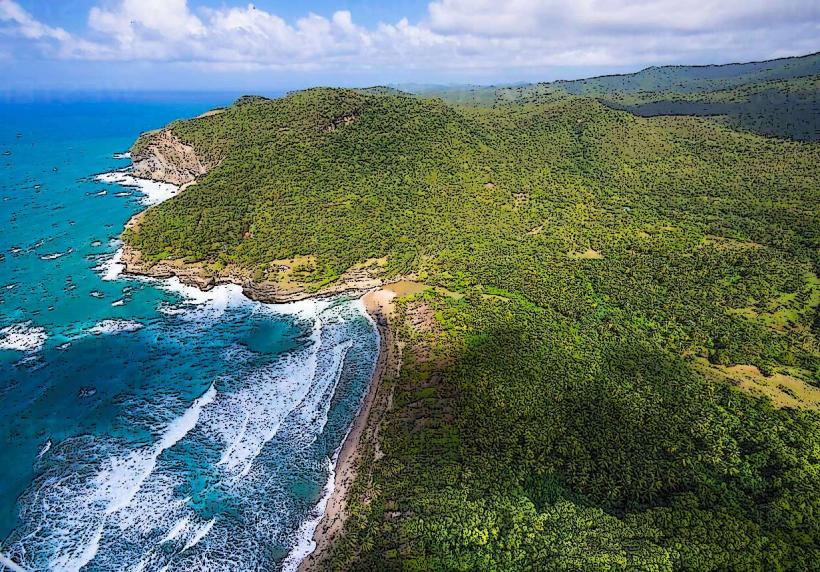
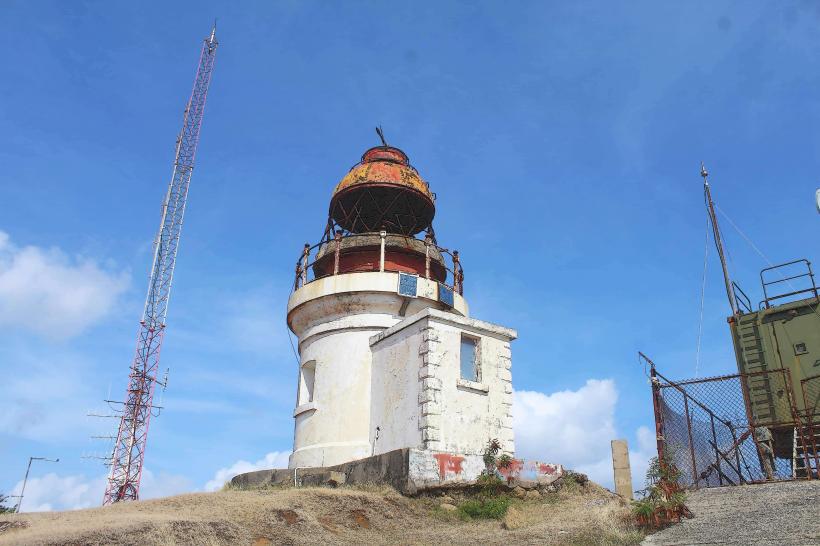
Moule-à-Chique: A rugged peninsula south of the town center; it is the southernmost point of the island and home to one of the world's highest lighthouses.
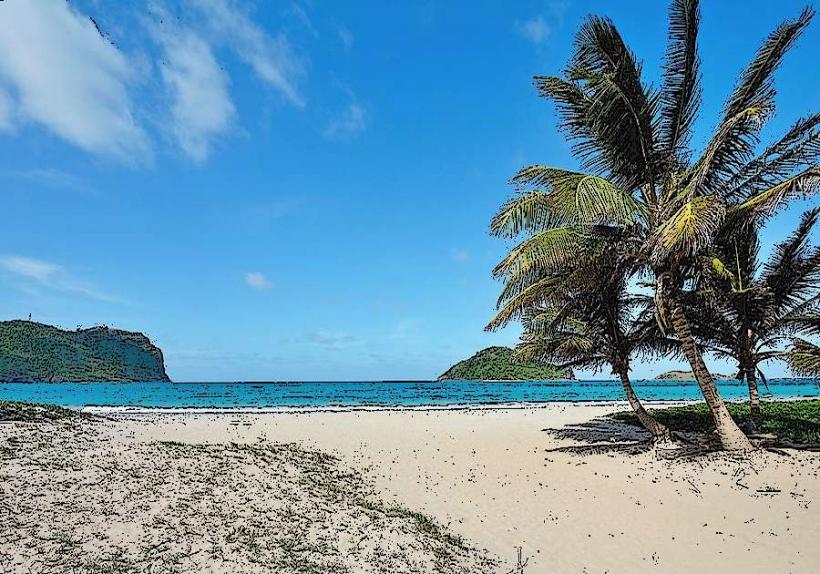
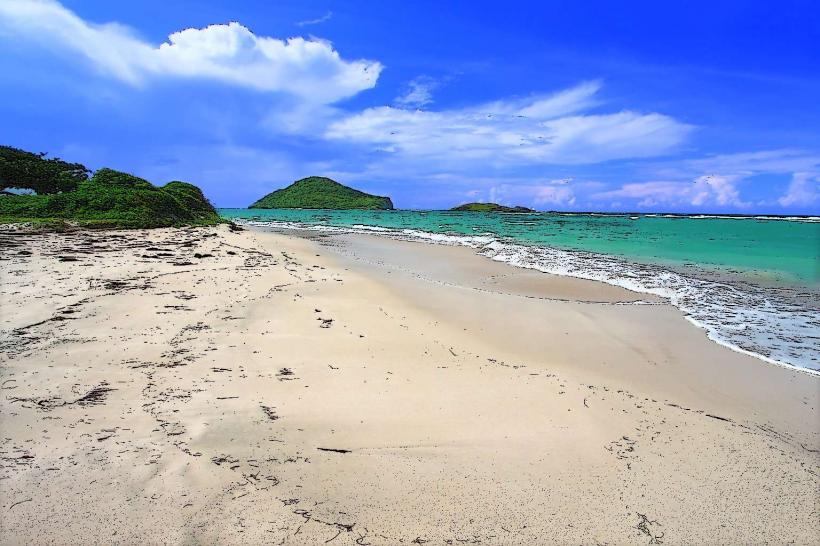
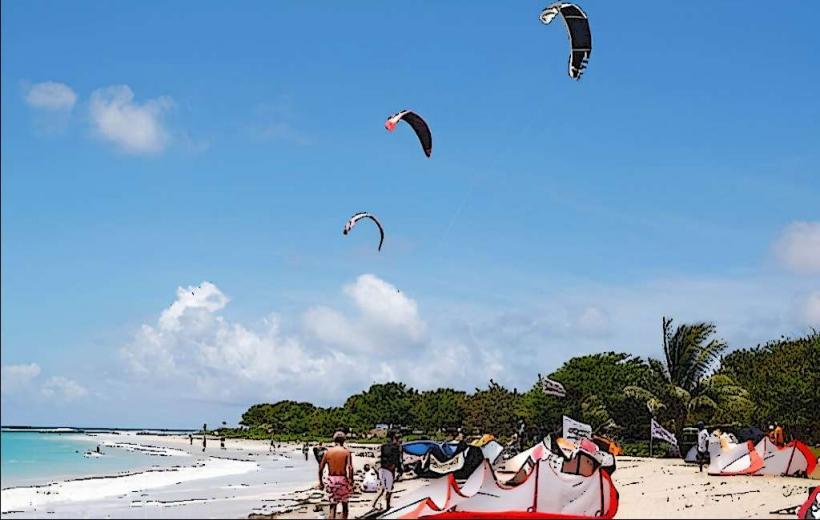
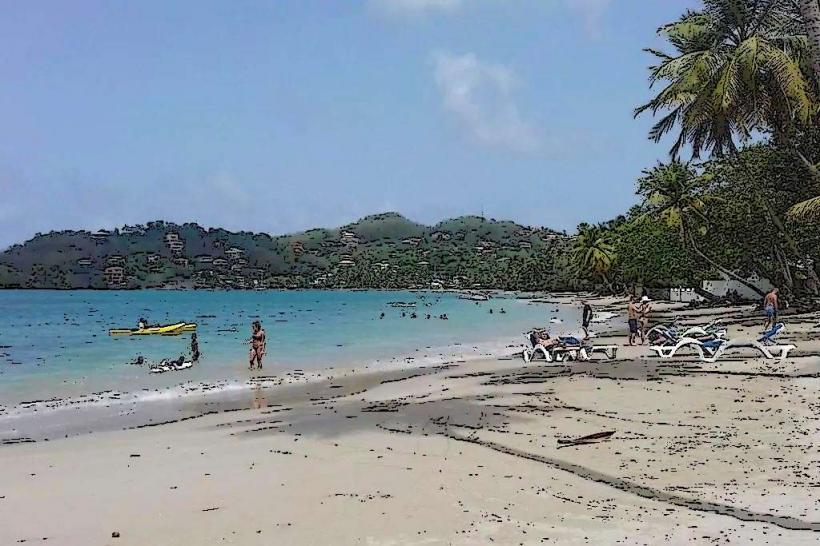
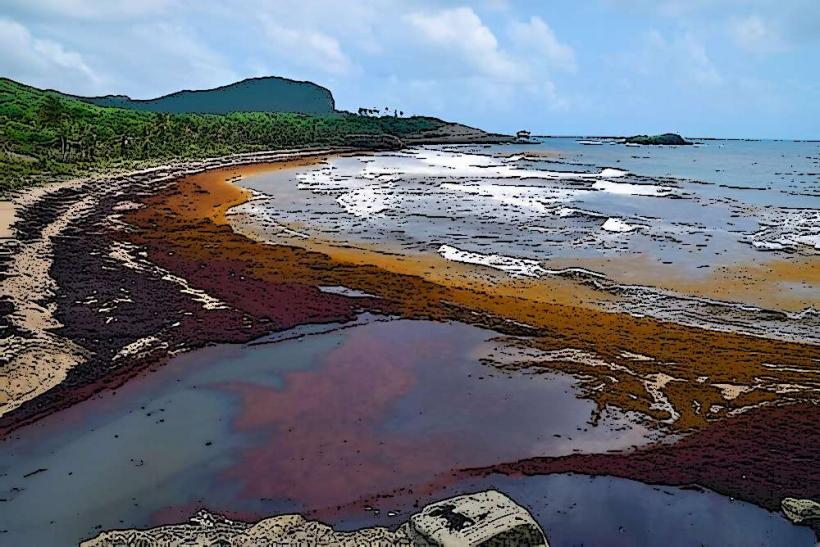
Anse de Sables (Sandy Beach): A long, white-sand Atlantic beach east of the airport, famous for its steady trade winds and status as a global kitesurfing destination.
Savannes Bay: A quiet residential and eco-tourism area known for its nature reserve and secluded views.
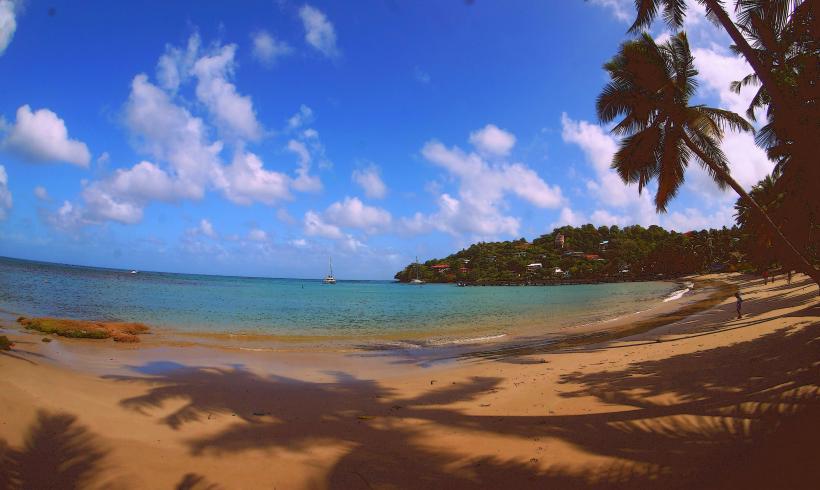
Black Bay: A leeward-side bay west of the town, traditionally associated with pirate history and local folklore.
Top Landmarks
Moule-à-Chique Lighthouse: Built in 1912 at 222 m (730 ft) above sea level. It offers panoramic views where the Atlantic Ocean and Caribbean Sea meet, and on clear days, the island of St. Vincent is visible.
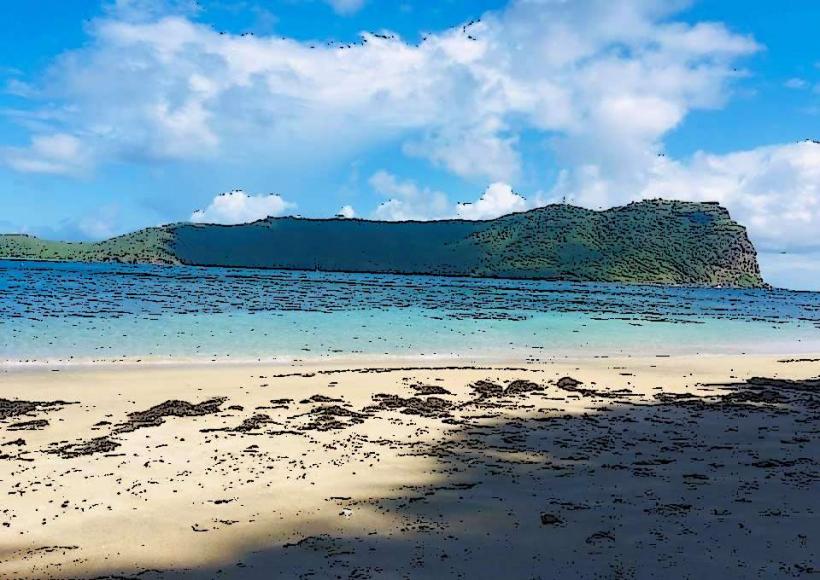
Maria Islands Nature Reserve: Two islets (Maria Major and Maria Minor) located offshore. They are the only habitat in the world for the Saint Lucia Racer snake and the Saint Lucia Whiptail lizard.
Mankote Mangrove: The largest mangrove forest in Saint Lucia, serving as a critical carbon sink and a traditional site for sustainable charcoal production.
Sandy Beach (Pointe Sable): The longest uninterrupted beach on the island, protected by reefs and highly popular for windsurfing and wing-foiling.
Vieux Fort Market: A high-traffic Saturday market where southern farmers and fishers sell fresh produce, local wines (banana, mango), and handmade crafts.
Transportation Network
Air: Hewanorra International Airport (UVF) is the island's primary hub for long-haul flights from Europe and North America.
Road: The Vieux Fort–Soufrière Highway connects the south to the west coast, while the East Coast Road provides the route to Castries (approx. $1$ hour).
Maritime: The town features a modern fishery complex and a cargo port with container transshipment facilities.
Digital & Financial Infrastructure
5G connectivity is prioritized around the airport and industrial zones. The official currency is the Eastern Caribbean Dollar (XCD) ($2.70 \text{ XCD} = 1 \text{ USD}$). Vieux Fort is home to major manufacturing plants, including the Windward & Leeward Brewery (producers of Piton Beer) and Baron Foods Ltd.
Local Cost Index (XCD)
1 Shared Van ride to Laborie: $2.50–$4.00 XCD
1 Taxi from HIA to Downtown: $20–$30 XCD
1 Bottle of local fruit wine: $25–$45 XCD
Facts & Legends
Legend says that the pirate Blackbeard used Black Bay as a hidden anchorage to careen his ships away from the prying eyes of the British fleet. A geographic fact: The Moule-à-Chique lighthouse is the second-highest lighthouse in the world by elevation above sea level. Historically, Vieux Fort was the site of the first recorded European landing on Saint Lucia and derived its name from a 17th-century Dutch fort built in the area.