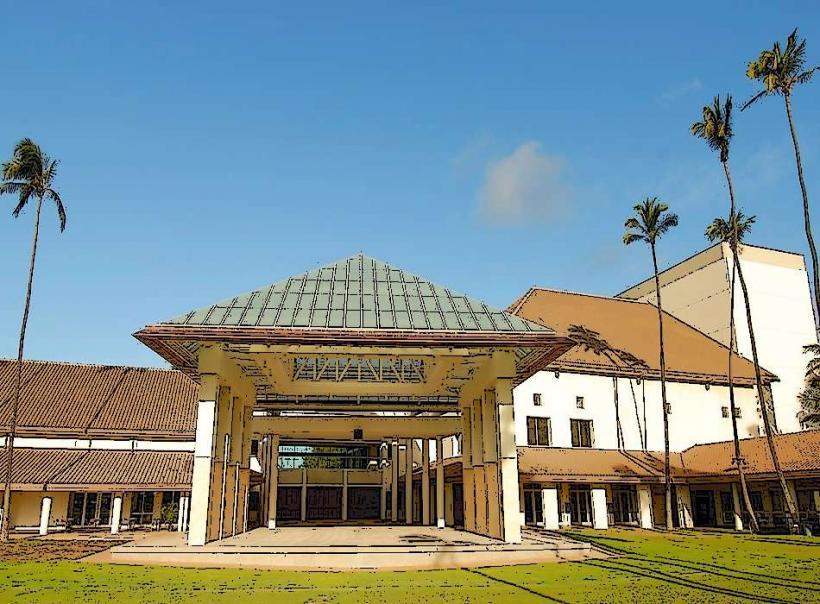
Information
City: WailukuCountry: USA Hawaii
Continent: North America
Wailuku, USA Hawaii, North America
Wailuku serves as the administrative seat of Maui County and the primary judicial hub for the islands of Maui, Molokaʻi, and Lānaʻi. It is situated at the northeastern foot of the West Maui Mountains (Mauna Kahalawai), positioned at the mouth of the ʻĪao Valley.
Historical Timeline
Wailuku was a significant center of power for Hawaiian royalty and the site of the decisive Battle of Kepaniwai in 1790, where Kamehameha I secured control of Maui. Primary governance shifted from the Hawaiian Kingdom to the U.S. Territorial period following the late 19th-century rise of the Wailuku Sugar Company. The city underwent significant architectural expansion in the 1920s and 1930s, establishing the Art Deco and plantation-style buildings that define the current historic district. The primary event shaping the modern urban form was the 1950s transition from a plantation-dependent economy to a government-centric service hub as Kahului developed into the island's commercial core.
Demographics & Population
The census-designated place (CDP) of Wailuku has a population of approximately 17,700. The top three demographics are Asian (41.4%), White (15.1%), and Two or More Races (26.3%). Native Hawaiians and Pacific Islanders constitute roughly 10.4%. The median age is 40.2 years.
Urban Layout & Key Districts
The city is organized on a sloping grid rising toward the West Maui Mountains. Market Street (Central) is the historic and cultural core featuring antique shops and theaters. The Government District (Southwest) houses the County Building, State offices, and the courthouse. Sand Hills (Northeast) is a residential district built on ancient stabilized dunes. Happy Valley (North) is a high-density, historic residential and small-business zone.
Top City Landmarks
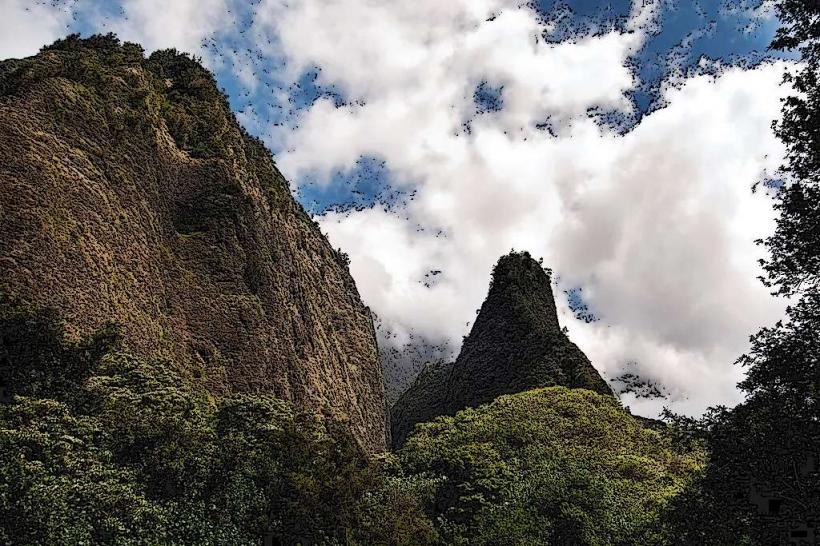
ʻĪao Needle State Monument (Kūkaʻemoku)
Bailey House Museum (Hale Hōʻikeʻike)
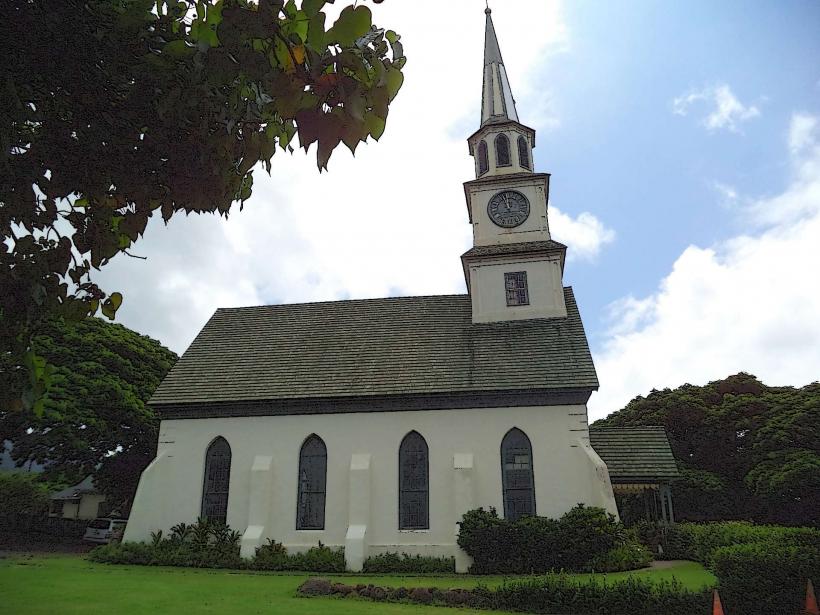
Kaʻahumanu Church (Built in 1876 on the site of a royal compound)
Iao Theater (Art Deco landmark opened in 1928)
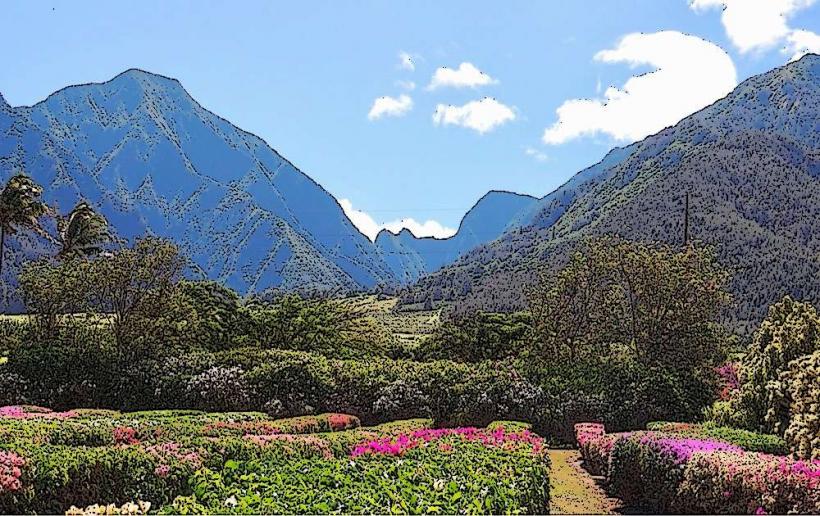
Maui Nui Botanical Gardens
Transportation Network
Movement within Wailuku is served by TheBus, with the central hub located in nearby Kahului. There are no metro or tram lines. Ride-sharing via Uber and Lyft is widely available. Official taxis do not have a uniform color but operate via dispatch from Kahului or major resorts. Traffic density is high during business hours (08:00–16:30) around the Main Street and High Street intersection due to government and court traffic.
Safety & "Red Zones"
Wailuku is generally safe for travelers during daylight hours. Avoid poorly lit sections of Happy Valley and the lower end of Market Street late at night due to localized vagrancy and property crime. Physical "Red Zones" include the ʻĪao Stream during heavy rain; flash floods occur rapidly and are potentially lethal. Common scams are rare, primarily involving unlicensed vendors near the entrance to ʻĪao Valley.
Digital & Financial Infrastructure
Internet speeds average 200–400 Mbps via Spectrum or Hawaiian Telcom. Main mobile carriers are Verizon, AT&T, and T-Mobile. Card acceptance is universal in the city center. ATMs are concentrated along Main Street at major bank branches including Bank of Hawaii, First Hawaiian Bank, and Central Pacific Bank.
Climate & Air Quality
Temperatures range from 18°C–26°C in winter and 23°C–31°C in summer. Wailuku receives higher rainfall than neighboring Kahului due to its proximity to the mountains. Air quality is excellent, though dust from former sugar lands can occasionally be swept into the town by trade winds. Significant weather risks include mountain-driven flash floods and high-wind gusts ("Kona winds").
Culture & Social Norms
The standard tipping rate is 18–22%. Greetings are typically a handshake or a nod. Shoes must be removed before entering any private residence. Dress is "Island Business" (collared shirts) in the government district and "Casual" elsewhere. Smoking is prohibited in all public parks and within 20 feet of public entrances. Public alcohol consumption is illegal.
Accommodation Zones
Historic District (Market Street): Stay here for walking access to local cafes, theaters, and government offices.
Iao Valley Road: Stay here for a quieter, nature-oriented environment away from the administrative center.
Local Cost Index
1 Espresso: $5.50
1 Standard Lunch (Saimin or Plate Lunch): $16.50
1 Bus Ticket: $2.00
Nearby Day Trips
ʻĪao Valley State Monument: 5 km (10 minutes), featuring hiking trails and the iconic 1,200-foot peak.
Kahului (Kanaha Beach): 6 km (12 minutes), the island's primary retail and windsurfing hub.
Waihee Ridge Trail: 11 km (20 minutes), a steep hike offering panoramic views of the North Shore.
Facts & Legends
Wailuku translates to "Water of Slaughter," referencing the 1790 Battle of Kepaniwai, where it is said so many warriors were killed that their bodies dammed the ʻĪao Stream. A local urban legend claims that the Iao Theater is haunted by the spirit of a 1920s performer who remains in the dressing rooms; staff frequently report hearing phantom footsteps during late-night rehearsals.