Information
City: WatervilleCountry: USA Maine
Continent: North America
Waterville, USA Maine, North America
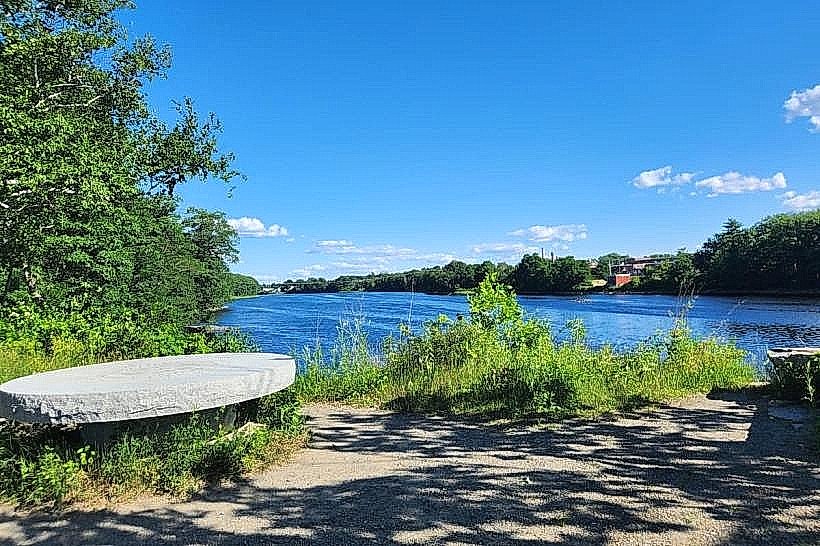
Waterville is a city in Kennebec County situated on the west bank of the Kennebec River. It is the primary service and cultural hub for the mid-Maine region and is defined by the presence of Colby College and its history as a major rail and textile center.
Historical Timeline
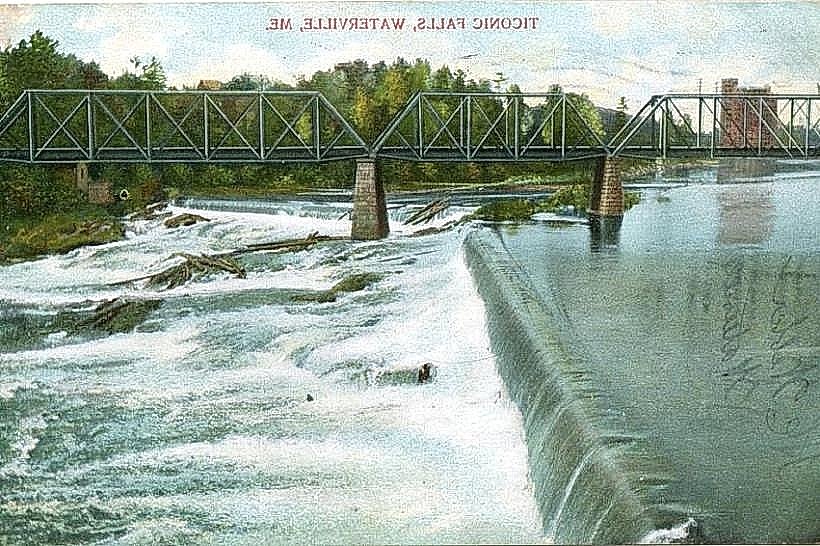
The area was originally inhabited by the Caniba tribe of the Abenaki. Settled by Europeans in the 1760s, it was part of Winslow until incorporating as Waterville in 1802. The city’s growth was driven by the Ticonic Falls, which powered massive operations like the Hathaway Shirt Company and the Wyandotte Worsted Mill. It also served as the operational headquarters for the Maine Central Railroad. In the 21st century, the city has undergone a "downtown revitalization" led by a $200 million investment from Colby College to shift the economy toward arts, technology, and service.
Demographics & Population
The 2026 estimated population is 16,150. The demographic is White (90.8%), Two or More Races (3.6%), and Hispanic or Latino (2.1%). The median age is 36.4 years. The city has a significant student population (approx. 2,200) during the academic year, which heavily influences the local economy and culture.
Urban Layout & Key Districts
Downtown (Main Street): A historic district featuring a mix of 19th-century brick architecture and new modern developments like the Lockwood Hotel and the Paul J. Schupf Art Center.
Colby College (Mayflower Hill): A self-contained, 714-acre campus overlooking the city from the west, characterized by neo-Georgian architecture.
The North End: A high-density residential neighborhood historically populated by mill workers.
Kennedy Memorial Drive (KMD): The primary commercial and medical corridor containing big-box retail and the MaineGeneral Medical Center campus.
Top City Landmarks
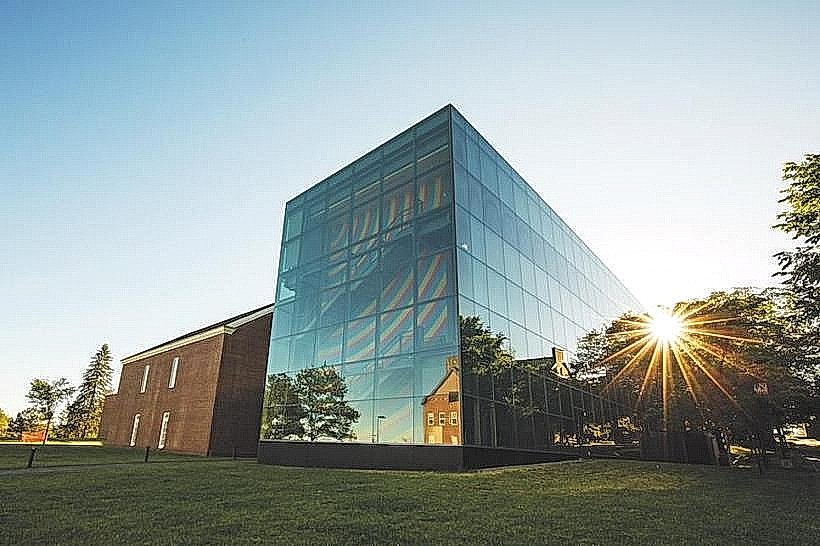
Colby College Museum of Art: Widely considered one of the best college art museums in the country, featuring a significant collection of American art (including major works by Alex Katz).
Two Cent Bridge: One of the last surviving toll footbridges in the United States (though now free), connecting Waterville to Winslow over the Kennebec River.
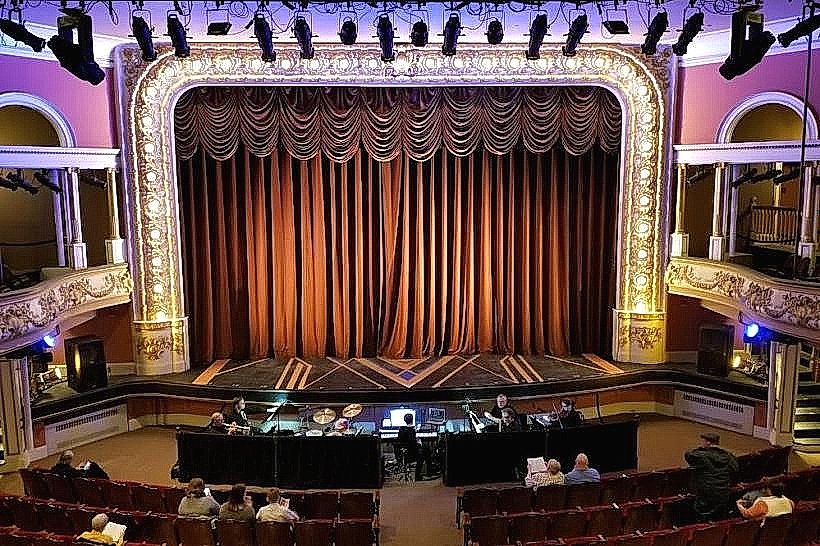
Waterville Opera House: A restored 1902 theatre that serves as the region's premier venue for live performance and the Maine International Film Festival.
Paul J. Schupf Art Center: A new $18 million facility on Main Street housing contemporary galleries and cinemas.
Quarry Road Recreation Area: Offers extensive year-round trails for Nordic skiing, mountain biking, and hiking.
Transportation Network
Waterville is a major node on I-95 (Exits 127, 130). US-201 serves as the primary north-south artery. The city is a major freight hub for Pan Am Railways. Regional bus service is provided by KVCAP (Kennebec Valley Community Action Program) and Concord Coach Lines, connecting the city to Bangor, Portland, and Boston.
Safety & "Red Zones"
The safety level is high. Violent crime is rare. Property crime is primarily concentrated in the retail corridors of Kennedy Memorial Drive. There are no "red zones." Environmental hazards include seasonal ice jams on the Kennebec River and severe winter road conditions on the city’s many hills.
Digital & Financial Infrastructure
The city has superior digital infrastructure for central Maine due to the college and recent urban investments. Average internet speeds reach 1-2 Gbps via Fidius (fiber) and Spectrum. Card acceptance is 100%. Major institutions include Kennebec Savings Bank and Bangor Savings Bank.
Climate & Air Quality
The climate is humid continental. Summers are warm and humid ($13^\circ\text{C}$ to $27^\circ\text{C}$); winters are cold and snowy with an average annual snowfall of $190 \text{ cm}$. Air quality is consistently "Excellent."
Culture & Social Norms
The culture is a blend of "Old Mill Town" grit and "Elite Liberal Arts" academia. Tipping of 18–20% is standard. The city is the center of the Maine International Film Festival (MIFF) held every July. Dress code is casual to academic-professional. Alcohol is sold in grocery stores; spirits are sold in licensed agency stores.
Accommodation Zones
Main Street/Downtown: Stay here for boutique lodging (Lockwood Hotel) and walking access to the arts district.
Kennedy Memorial Drive: Stay here for national hotel chains and proximity to I-95.
Local Cost Index
Espresso: $4.25
Standard Lunch: $15.50
Median Home Value: $245,000
Nearby Day Trips
Belgrade Lakes: 15 km (15 mins) – A popular summer resort area.
Augusta (State Capital): 30 km (25 mins).
Skowhegan: 25 km (25 mins) – Home to the Margaret Chase Smith Library.
Facts & Legends
Waterville is the birthplace of the Hathaway Shirt, which was manufactured in the city for over 150 years. A local legend involves the "Ghost of Mayflower Hill," a spectral figure said to haunt the oldest dormitories at Colby College. Historically, the city is unique for having survived the 19th-century "Great Flood" of the Kennebec, which destroyed nearly all the mills but led to the city's modern industrial layout.