Information
City: Zona SurCountry: Costa Rica
Continent: North America
Zona Sur, Costa Rica, North America
Zona Sur (the Southern Zone) functions as Costa Rica's primary biodiversity corridor and a critical center for palm oil production and tropical research. It encompasses the Osa Peninsula and the Brunca Region, extending from the Savegre River to the Panamanian border.
Historical Timeline
The region was historically the domain of the Diquís culture, known for their sophisticated stonework. The primary era of modern development was driven by the United Fruit Company (Compañía Bananera) in the 1930s, which built the infrastructure for Golfito and Palmar Sur. The most significant event shaping the current urban and ecological form was the 1984 withdrawal of the banana industry, which triggered a transition toward sustainable ecotourism and the formal protection of Corcovado National Park.
Demographics & Population
The region has a population of approximately 350,000. It features the highest concentration of indigenous territories in Costa Rica, including the Ngäbe, Boruca, and Bribri groups. A significant population of European and North American retirees is concentrated in the Costa Ballena area (Dominical/Uvita).
Urban Layout & Key Districts
Zona Sur is decentralized and organized around strategic logistics nodes. Pérez Zeledón (San Isidro de El General) is the administrative and commercial capital. Golfito (South) is a duty-free port and maritime hub. Puerto Jiménez (Osa) is the primary gateway for Corcovado. Uvita/Dominical (Northwest) serves as the primary tourism and surf corridor. Paso Canoas is the binational commercial hub at the Panama border.
Top Landmarks
Corcovado National Park (Described by National Geographic as the most biologically intense place on Earth)
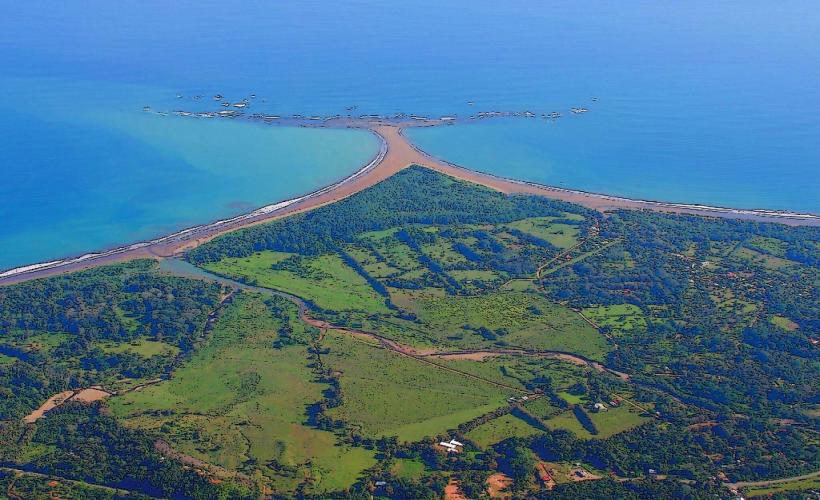
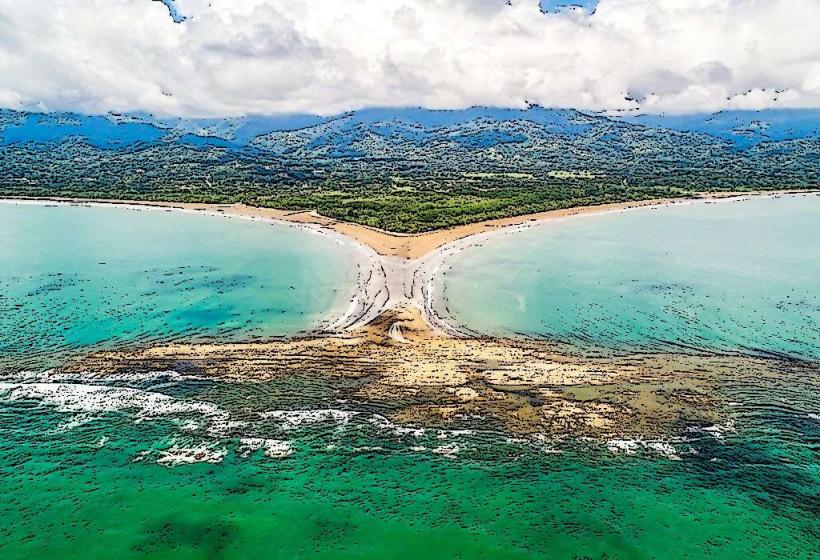
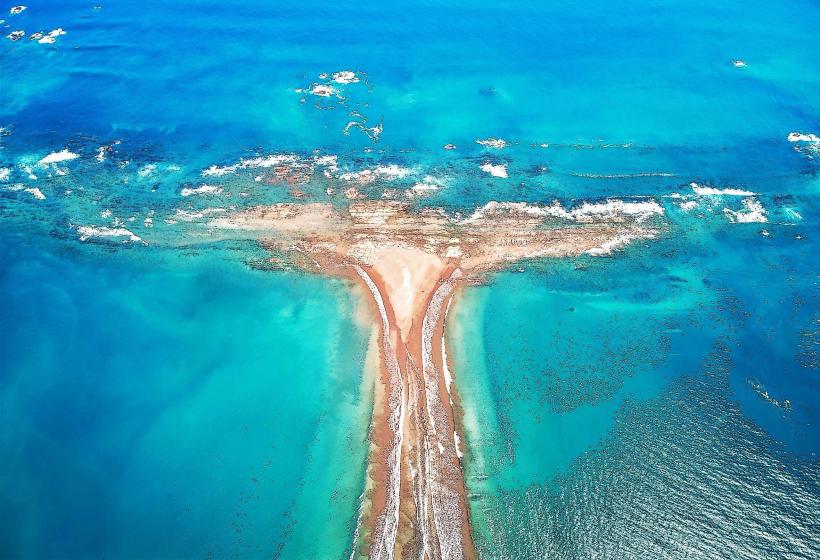
Marino Ballena National Park (Famous for the "Whale Tail" sandbar)
Diquís Stone Spheres (UNESCO World Heritage Sites)
Chirripó National Park (Highest peak in Costa Rica)
Golfo Dulce (One of only four tropical fjords in the world)
Transportation Network
Movement relies on the Costanera Sur (Route 34) and the Inter-American Highway (Route 2). Internal transit often requires 4x4 vehicles, particularly in the Osa Peninsula. Regional airports in Palmar Sur, Golfito, and Puerto Jiménez provide domestic flights to San José. Water taxis are the primary mode of transport to Drake Bay. Uber is non-existent in rural areas; red taxis are available in San Isidro and Golfito.
Safety & "Red Zones"
The region is generally safe, but isolated. Avoid Paso Canoas at night due to smuggling and human trafficking activity. Physical "Red Zones" involve the Drake Bay and Corcovado trails, where heat exhaustion and venomous snakes (Fer-de-lance) are significant risks. Common scams involve "unlicensed guides" at the entrance of national parks and overcharging for boat transfers in the Sierpe Mangroves.
Digital & Financial Infrastructure
Internet speeds average 20–100 Mbps; fiber optics are present in San Isidro and Uvita but absent in Drake Bay and Corcovado. Mobile coverage is spotty in the Talamanca mountains and the deep Osa jungle. Card acceptance is standard in tourist towns, but cash (Colones/USD) is essential for rural lodges and boat transit. ATMs are limited to San Isidro, Uvita, Golfito, and Puerto Jiménez.
Climate & Air Quality
This is the wettest region in Costa Rica, with annual rainfall exceeding $5,000$ mm in some areas. Temperatures range from 22°C to 33°C. Air quality is world-class due to the vast expanse of primary rainforest and minimal industrial pollution.
Culture & Social Norms
The culture is a blend of "Sabanero" (cowboy) traditions, indigenous heritage, and the "Surfer" ethos of the coast. Tipping is 10% (included). Dress is utilitarian: hiking gear or swimwear. Smoking is prohibited in all National Parks and public beaches. Respect for "Life in the slow lane" is expected; businesses often close during the afternoon heat.
Accommodation Zones
Uvita/Dominical: Stay here for beaches, whale watching, and modern amenities.
Puerto Jiménez/Drake Bay: Stay here for immersion in Corcovado and Golfo Dulce.
San Vito: Stay here for a high-altitude climate and Italian-Costa Rican fusion culture.
Local Cost Index
1 Espresso: 1,600 CRC ($3.15 USD)
1 Standard Lunch (Casado): 4,500 CRC ($8.85 USD)
1 Boat Transfer (Sierpe to Drake Bay): 10,200–12,700 CRC ($20–$25 USD)
Nearby Day Trips
Caño Island: 1 hour via boat from Drake Bay/Uvita, world-class diving and snorkeling.
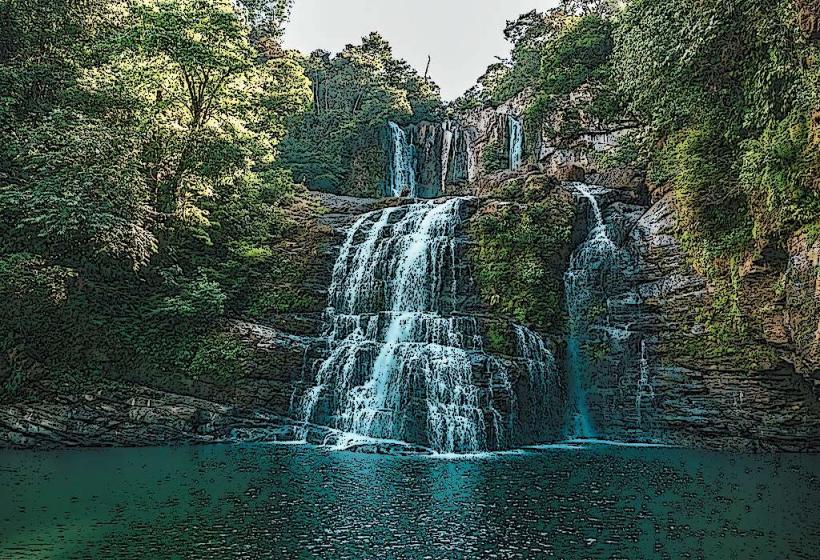
Nauyaca Waterfalls: 20 minutes from Dominical, iconic tiered cascades.
Boruca Village: 1.5 hours from Palmar, for traditional mask-making demonstrations.
Facts & Legends
The Stone Spheres of the Diquís remain an archaeological mystery; local legends once claimed they contained gold at their centers, leading to the destruction of many by early treasure hunters. A modern geographical fact: the Golfo Dulce is a critical nursery for both Northern and Southern Hemisphere Humpback whales, making it one of the few places on Earth where both populations meet.