Information
Landmark: Corcovado National ParkCity: Zona Sur
Country: Costa Rica
Continent: North America
Corcovado National Park, Zona Sur, Costa Rica, North America
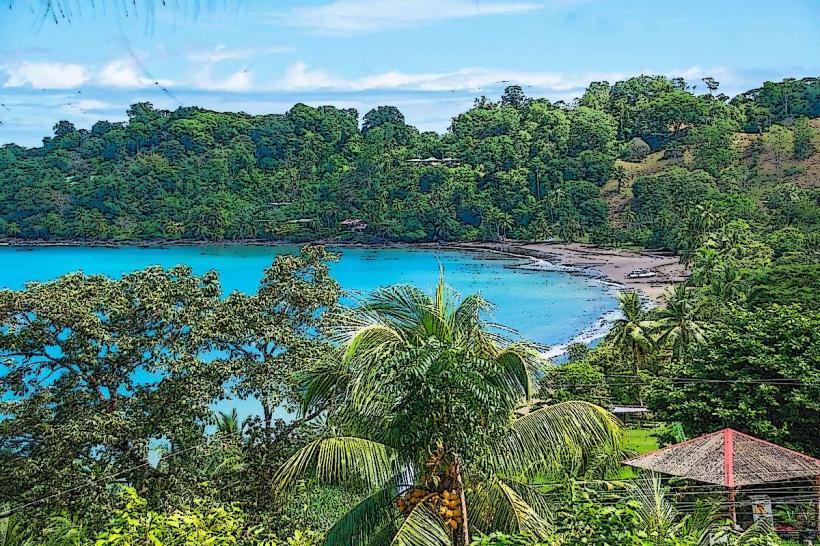
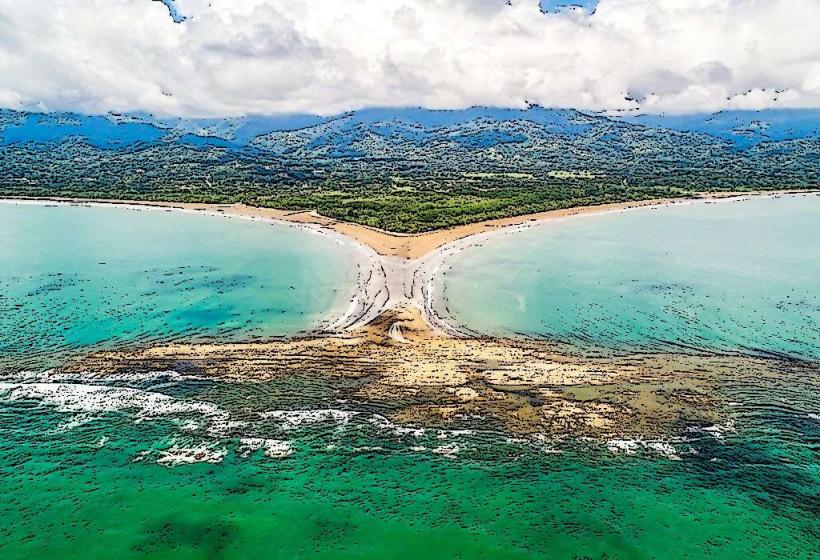
Corcovado National Park is one of Costa Rica's most famous and biodiverse protected areas, located on the Osa Peninsula in the country's southwest. Recognized for its remarkable ecological significance, it is often referred to as the crown jewel of Costa Rica's national park system. The park is a UNESCO World Heritage Site and is considered one of the most biologically intense places on Earth due to its rich diversity of wildlife and ecosystems.
Overview
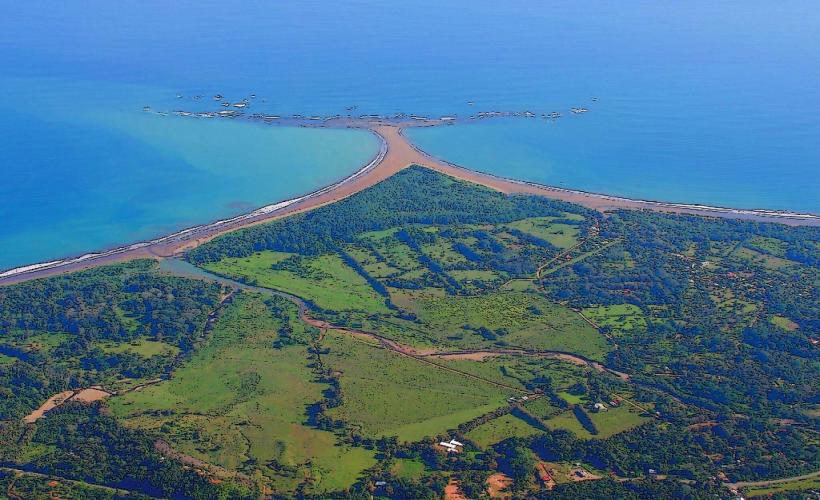
- Location: Corcovado National Park is situated on the Osa Peninsula, bordered by the Pacific Ocean to the west and the Golfo Dulce to the east. It is in Puntarenas Province, near the towns of Puerto Jiménez and Drake Bay.
- Size: The park covers approximately 42,000 hectares (104,000 acres), making it one of the largest and most ecologically important parks in Costa Rica.
- Established: The park was established in 1975 with the goal of preserving the unique ecosystems of the Osa Peninsula, which are home to some of the most diverse flora and fauna in the world.
- UNESCO Status: In 1983, Corcovado was designated a UNESCO Biosphere Reserve, highlighting its global importance as a site for conservation and biodiversity.
Ecological Significance
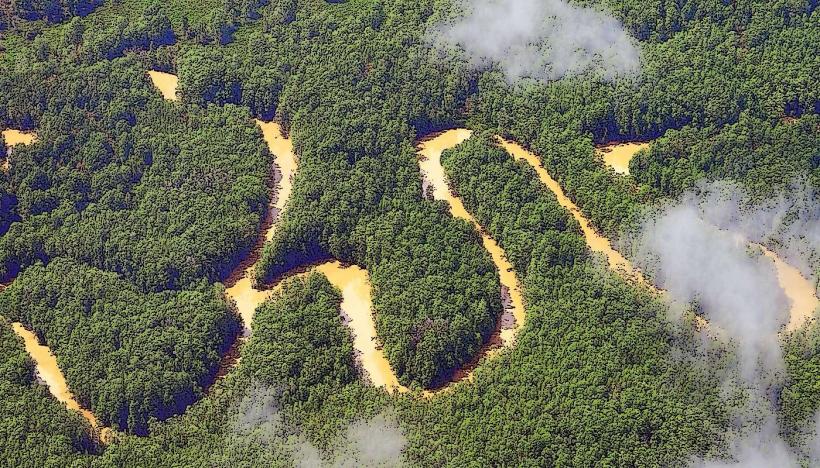
Corcovado National Park contains several distinct ecosystems, ranging from tropical rainforests to mangrove swamps and cloud forests. These ecosystems are home to a vast array of plant and animal species, many of which are rare or endangered. Some of the major ecological features of the park include:
- Rainforests: The park’s dense tropical rainforests are some of the most biodiverse in the world, with towering trees, vines, and a diverse array of plant life.
- Mangrove Swamps: The park also contains coastal mangrove swamps, which serve as important nurseries for marine life and are critical for maintaining the health of coastal ecosystems.
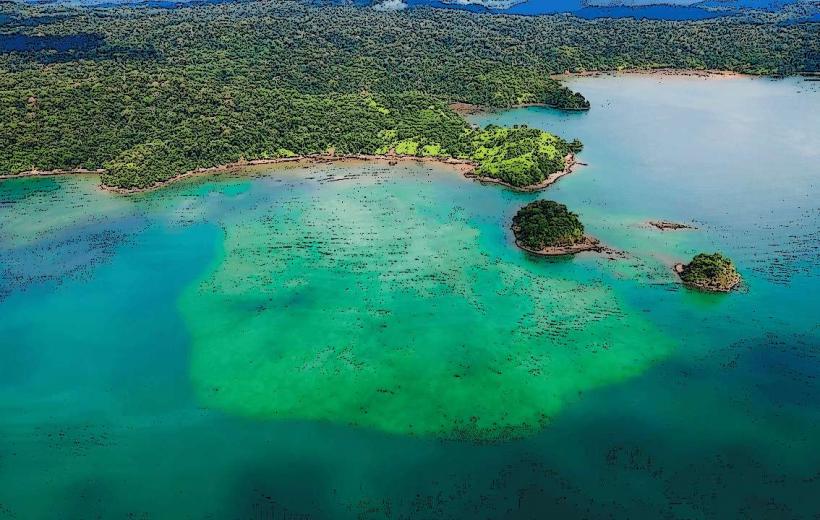
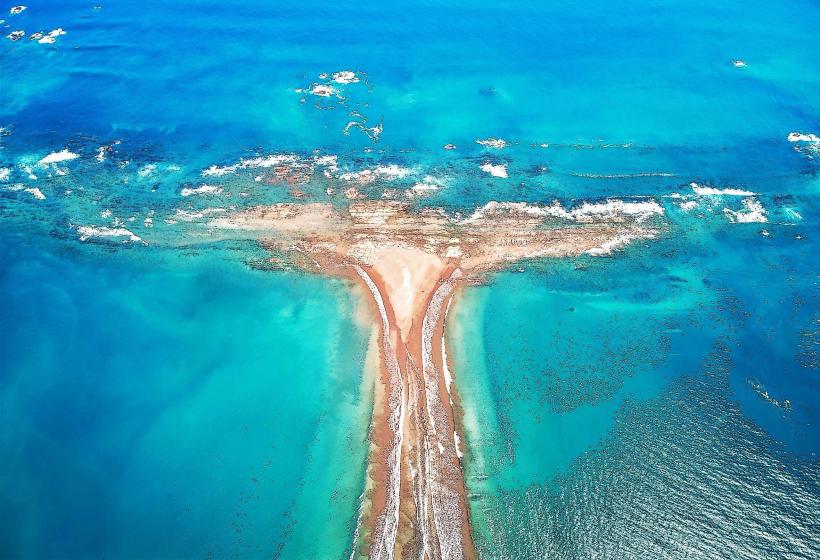
- Coral Reefs: The park’s coastal areas contain coral reefs and underwater ecosystems that support a wide variety of marine life, including sea turtles, sharks, and rays.
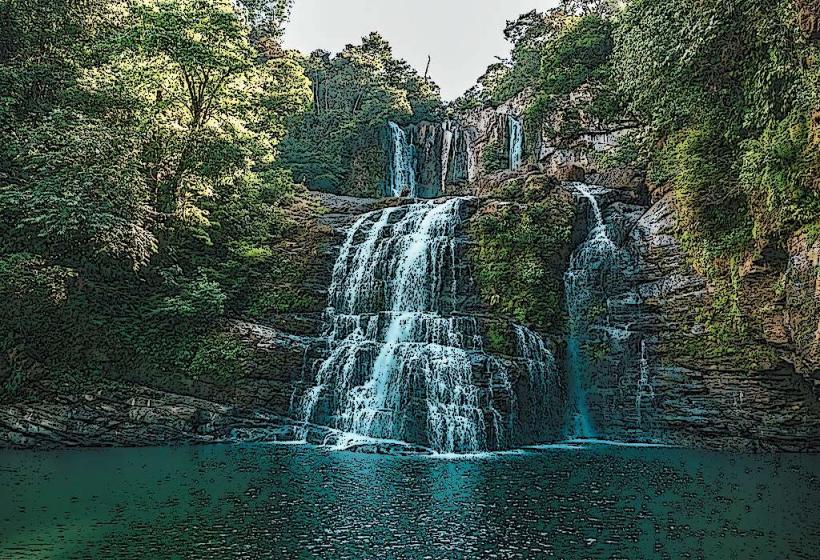
- Rivers and Waterfalls: Several rivers and waterfalls run through Corcovado, including the Río Sirena and Río Claro, which flow through the park’s lush rainforest.
Flora and Fauna
Corcovado National Park is considered one of the most biologically diverse places in the world. It is home to a wide variety of animals and plants, many of which are endemic to the region or are found only in a few places on Earth.
Wildlife
Mammals:
- Jaguar: The elusive jaguar, one of the most iconic and endangered big cats in the Americas, is known to inhabit Corcovado, though it is rarely seen due to its elusive nature.
- Baird’s Tapir: Corcovado is home to one of the largest populations of Baird’s tapir, an endangered species that roams the park’s rainforests.
- Spider Monkeys and Howler Monkeys: Both spider monkeys and howler monkeys can be spotted in the park, swinging from tree to tree in the dense canopy.
- White-faced Capuchin Monkey: This small, intelligent monkey is common in the park and often seen foraging for food.
- Ocelot, Puma, and Pecari: Other notable mammals include the ocelot, puma, and peccary (a wild pig species).
Birds:
- Corcovado is home to over 400 species of birds, making it a prime destination for birdwatching. Notable bird species include:
- Scarlet Macaws: These brightly colored parrots are one of the park's most iconic species and can often be spotted flying overhead.
- Harpy Eagle: A rare and powerful bird of prey, the harpy eagle is one of the largest and most formidable eagles in the world.
- Toucans, Parrots, Kingfishers, and Tanagers are also common in the park.
Reptiles and Amphibians:
- American Crocodile: The park’s coastal areas and rivers are home to American crocodiles, which can be spotted in the wild.
- Poison Dart Frogs: The rainforest is home to several species of colorful poison dart frogs, which are a favorite of wildlife photographers.
- Snakes: Corcovado is also home to a variety of snake species, including the Fer-de-Lance and Bushmaster, both venomous.
Marine Life:
- The coastal regions of Corcovado are rich in marine life, including whales, dolphins, and sea turtles. The park is an important nesting site for olive ridley and hawksbill sea turtles.
- The waters off the park’s coast are home to vibrant coral reefs, which support an abundance of fish, rays, and sharks, making the area popular for snorkeling and diving.
Flora:
- Corcovado’s rainforests are home to a rich variety of plant species, including towering hardwood trees, epiphytes, orchids, and palms. The park's diverse plant life is essential for maintaining the park’s animal populations, as the flora provides food and shelter for many of the park’s species.
Activities and Attractions
Hiking and Trekking:
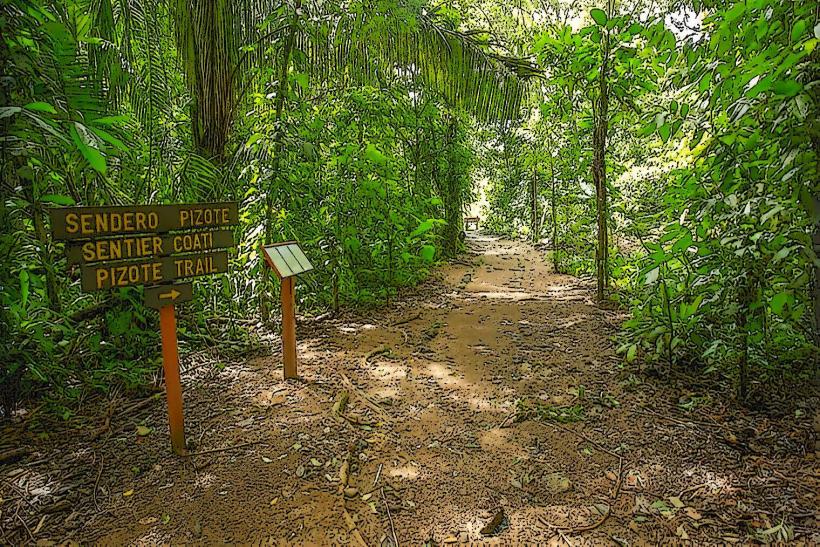
- Corcovado offers a variety of hiking trails, ranging from easy walks to multi-day treks through the dense jungle. Some of the most popular trails include:
- Río Sirena: One of the most accessible areas in the park, where visitors can explore trails, visit beaches, and spot wildlife.
- Los Patos: A more remote area that is less frequented by tourists but offers a more immersive wilderness experience.
- San Pedrillo: Located near the park’s northern entrance, this area is known for its hiking trails and pristine beaches.
Wildlife Watching:
- Wildlife viewing is one of the park’s main attractions, with many guided tours focusing on spotting animals such as monkeys, birds, and reptiles. Professional guides are available to help visitors find and identify the park’s diverse species.
Birdwatching:
- With over 400 species of birds, Corcovado is a birdwatcher’s paradise. The park offers plenty of opportunities to spot rare species such as the scarlet macaw, harpy eagle, and toucan.
Wildlife Photography:
- The park’s rich biodiversity, lush landscapes, and abundant wildlife make it a favorite destination for wildlife photographers. The dense forests, rivers, and beaches provide numerous photo opportunities.
Snorkeling and Diving:
- The waters surrounding Corcovado National Park are part of the Corcovado Marine Reserve, making them an ideal destination for snorkeling and scuba diving. The coral reefs are home to a variety of marine species, including colorful fish, rays, and sea turtles.
Kayaking and Canoeing:
- Visitors can kayak along the Río Sirena or explore the coastal waters by kayak, offering a chance to observe wildlife from the water and appreciate the park’s natural beauty.
Access and Practical Information
- Entrance Fees: There is an entrance fee to access Corcovado National Park, which is usually around $15-$20 USD per person, depending on the entrance and season.
- How to Get There: The most common ways to access the park are from Puerto Jiménez or Drake Bay. There are local flights from San José to Puerto Jiménez, as well as boat options from Sierpe and Drake Bay.
- Guided Tours: Because of the park’s vastness and the diversity of wildlife, it is recommended to visit with a guide who can help you spot animals and provide insights into the park’s ecology. Guided tours are available for both day trips and multi-day treks.
- Best Time to Visit: The best time to visit is during the dry season, from December to April. During this time, the trails are more accessible, and wildlife is more likely to be visible. The rainy season (May to November) brings more rain and higher humidity, but also lush landscapes and fewer crowds.
Conclusion
Corcovado National Park offers an unparalleled opportunity to explore one of the most biodiverse and ecologically significant places on Earth. Its pristine rainforests, diverse wildlife, and variety of ecosystems make it a must-visit destination for nature lovers, wildlife enthusiasts, and adventure travelers. Whether you're hiking through the jungle, spotting rare animals, or exploring the park's coral reefs, Corcovado promises an unforgettable experience in the heart of Costa Rica's wild side.