Information
Landmark: Sundarijal WaterfallsCity: Kathmandu
Country: Nepal
Continent: Asia
Sundarijal Waterfalls, Kathmandu, Nepal, Asia
Sundarijal Waterfalls, located within the Shivapuri Nagarjun National Park, is a primary natural landmark approximately 15 kilometers northeast of central Kathmandu. Named "Sundarijal" (meaning "beautiful water") after the Hindu goddess Sundari Mai, the area serves as a critical watershed, supplying a significant portion of the city's drinking water and hydroelectric power.
Visual Characteristics
The falls are characterized by a series of cascades over massive rock formations, surrounded by dense subtropical forests of oak, pine, and rhododendron. During the monsoon, the water volume increases significantly, creating a powerful, misty environment. The infrastructure includes a large cemented dam and a visible network of large water pipes that follow the initial hiking trail.
Location & Access Logistics
Sundarijal is situated at the edge of the Kathmandu Valley.
Transport: Accessible via a 45–60 minute drive from Thamel or central Kathmandu. Local buses depart frequently from the Ratna Park bus terminal to Sundarijal.
Entry: As it lies within the National Park, an entry fee is required: 1,000 NPR for international tourists, 600 NPR for SAARC nationals, and 100 NPR for Nepali citizens.
Checkpoints: Visitors must register at the Nepal Army checkpoint at the park entrance.
Historical & Ecological Origin
The site is home to the Sundarijal Hydropower Station, Nepal's second-oldest hydroelectric plant, commissioned in 1934 by the Rana regime. It is also the terminal point for the Melamchi Drinking Water Project tunnel. Ecologically, the area is a high-biodiversity zone, home to over 170 bird species and animals such as the Himalayan black bear and leopard.
Key Highlights & Activities
Canyoning: A major hub for technical canyoning; multiple companies operate guided descents through the waterfalls.
Hiking: The primary gateway for the Chisapani-Nagarkot trek and the Langtang Valley trek. A short 2-hour uphill hike leads to the Tamang village of Mulkharka.
Religious Sites: The Sundari Mai Temple is located near the waterfalls and is a significant pilgrimage site for both Hindus and Buddhists.
Picnicking: A popular weekend destination for locals to escape urban noise.
Infrastructure & Amenities
The base of Sundarijal has numerous small tea shops and local eateries. Basic restroom facilities are available near the entrance. 4G cellular coverage is generally stable at the base but fluctuates as you ascend deeper into the park. Caution: Swimming is officially prohibited in certain sections due to past accidents involving strong currents and slippery rocks.
Best Time to Visit
Monsoon (June–August): Peak flow for the waterfalls; the landscape is most vibrant, though trails are slippery and leeches are prevalent.
Autumn/Spring (Sept–Nov / March–May): Optimal for hiking and mountain views.
Hours: The park is open from 07:00 to 17:00. Early arrival is recommended to avoid late-afternoon traffic on the return to Kathmandu.
Facts & Legends
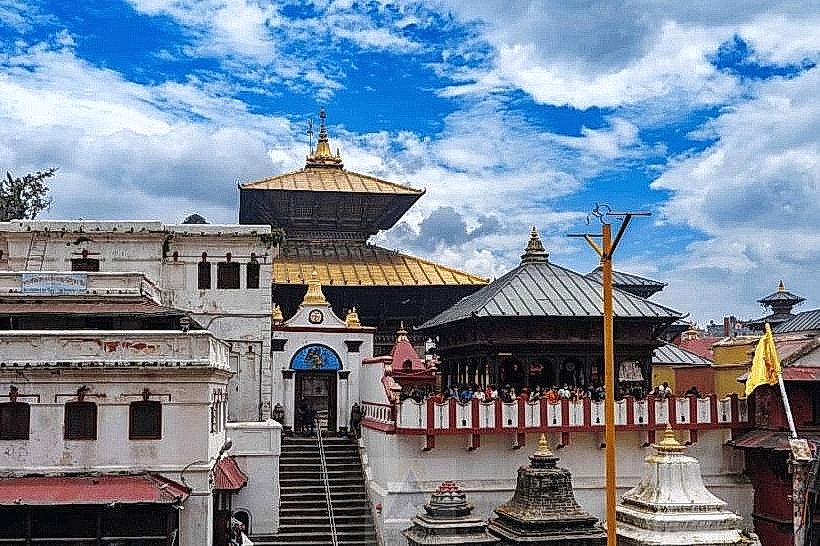
The Bagmati River, which flows through the heart of Kathmandu and past Pashupatinath, has one of its major upstream sources here. Local tradition holds that the waters are sacred and possess purifying properties, leading many to collect water for ritual use during festivals.
Nearby Landmarks
Shivapuri Peak: 5–7 hour hike from the base.
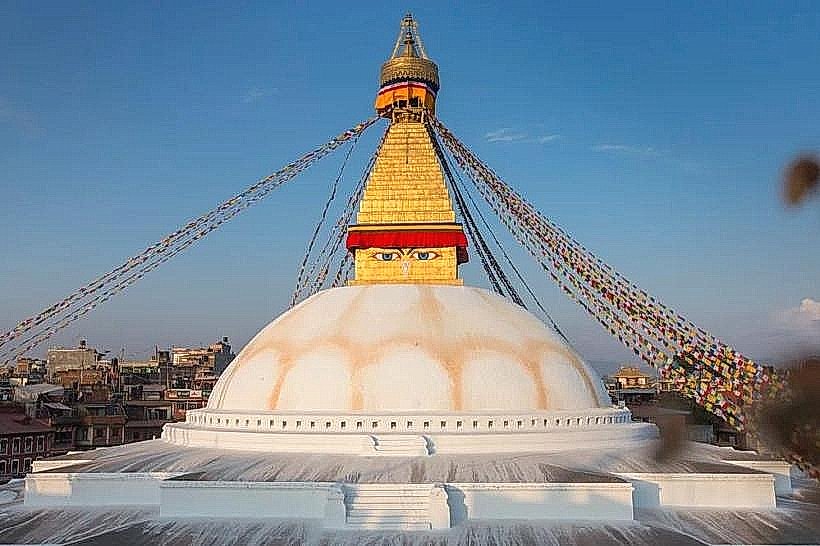
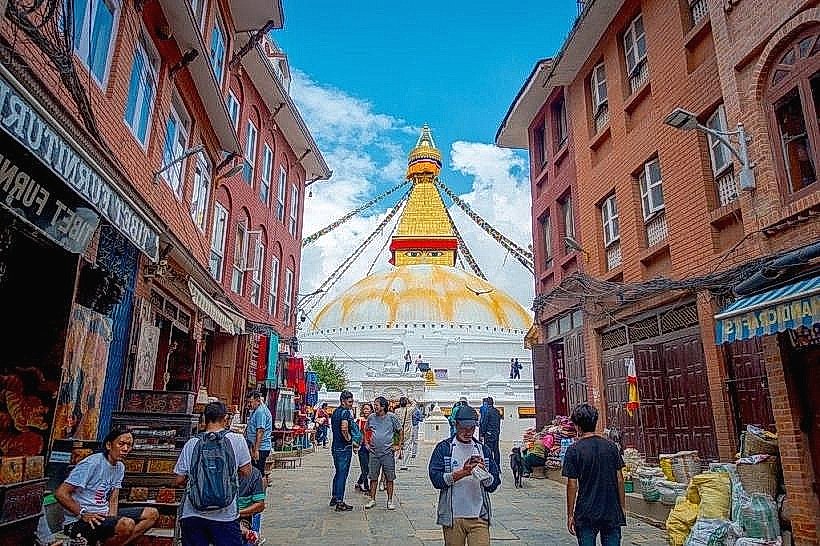
Boudhanath Stupa: 8km Southwest.
Gokarna Mahadev Temple: 5km South.
Chisapani Village: 15km North (hiking distance).
Nagi Gumba: Connected via forest trails.