Information
Landmark: 5th Fort of Brest FortressCity: Brest
Country: Belarus
Continent: Europe
5th Fort of Brest Fortress, Brest, Belarus, Europe
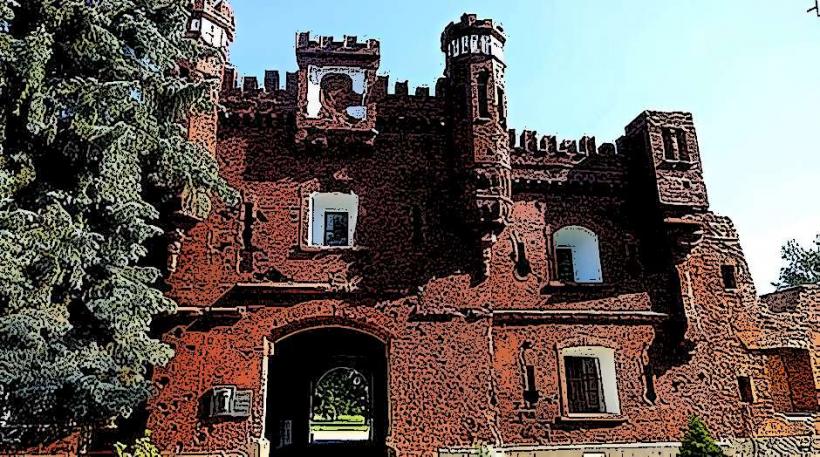
The 5th Fort is a significant defensive structure, part of the larger Brest Fortress complex, located on the southwestern outskirts of Brest, Belarus.
Visual Characteristics
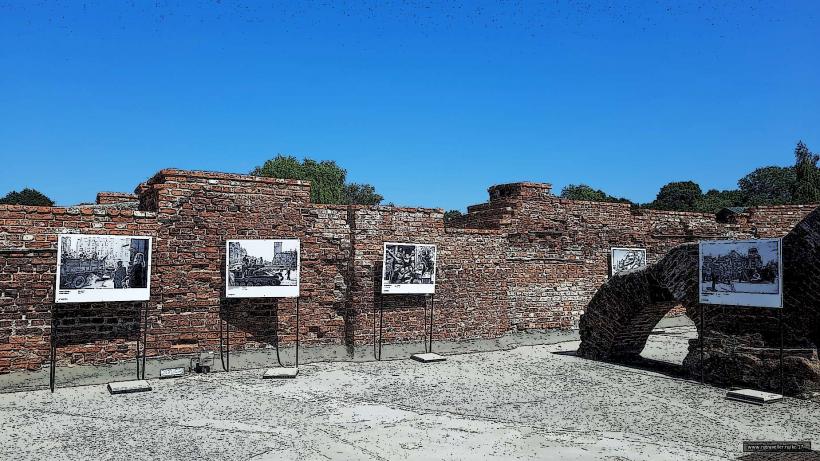
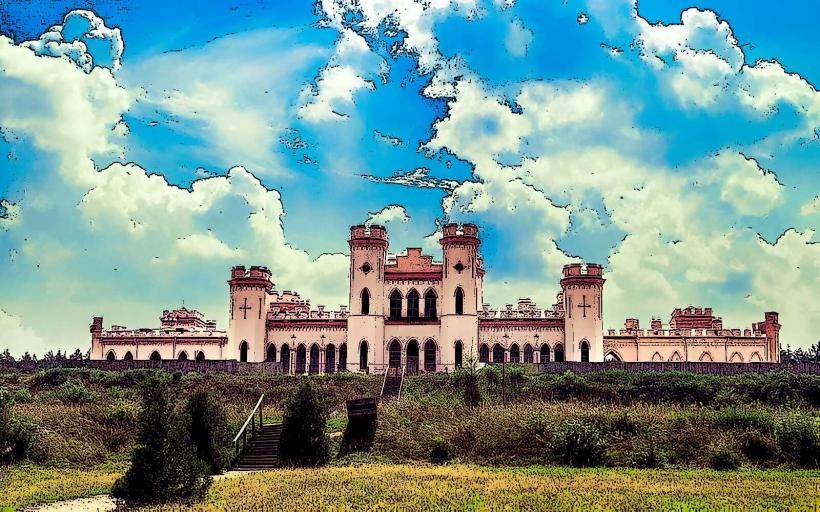
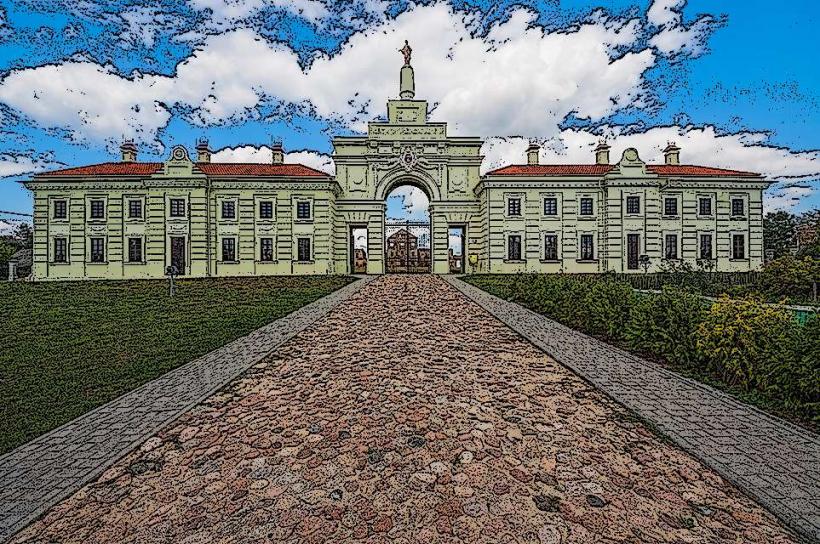
The fort is constructed primarily from brick and concrete, reinforced with earthworks and a surrounding moat. Its design features a complex system of underground casemates, galleries, and firing positions. The exterior presents a utilitarian, robust appearance, characterized by thick walls and a low profile integrated into the landscape. The internal passages are dark and cool, with exposed brick and concrete surfaces. The overall height is dictated by its defensive purpose, largely subterranean or covered by earth.
Location & Access Logistics
The 5th Fort is situated approximately 5 kilometers southwest of Brest city center. Access is typically via the main entrance to the Brest Hero-Fortress Memorial Complex, then following signs or a designated path. From the city center, take Masherov Avenue (проспект Машерова) towards the fortress. Parking is available near the main fortress complex, with a walk or short drive to the fort itself. Public transport options include local bus routes that serve the main fortress entrance, such as bus lines 5, 10, and 15, followed by a walk of approximately 1.5-2 kilometers to the fort.
Historical & Ecological Origin
Construction of the 5th Fort began in the late 19th century, specifically between 1878 and 1888, as part of the Russian Empire's modernization of the Brest Fortress defenses. It was designed as one of ten ring forts intended to create an outer defensive perimeter around the main citadel. Its primary purpose was to provide long-range artillery support and infantry defense against potential western invasions, forming a crucial component of the fortress's layered protection system.
Key Highlights & Activities
Visitors can explore the extensive network of underground casemates, tunnels, and firing positions. A museum exhibition within the fort details its history, construction, and role in various conflicts, particularly World War I and World War II. Walking tours of the fort's exterior earthworks and defensive structures are also possible. Specific areas are illuminated, allowing for self-guided exploration of the internal spaces.
Infrastructure & Amenities
Restrooms are available on-site, typically near the entrance or museum area. Shade is limited to the interior casemates and specific tree-lined sections of the earthworks. Cell phone signal (4G/5G) is generally available throughout the fort and its immediate surroundings. Food vendors are not typically present directly at the 5th Fort, but cafes and kiosks are located within the main Brest Hero-Fortress Memorial Complex, approximately 1.5-2 kilometers away.
Best Time to Visit
The best time to visit is during the spring (April-May) or autumn (September-October) months, when the weather is mild and comfortable for exploring both the interior and exterior sections. Weekday mornings are generally less crowded. For photography, late morning or early afternoon provides sufficient natural light for exterior shots, while interior exploration benefits from the installed lighting.
Facts & Legends
The 5th Fort is one of the best-preserved examples of the 19th-century ring forts around Brest. During the initial days of Operation Barbarossa in June 1941, the fort saw fierce fighting, with its small garrison holding out against overwhelming German forces for several days after the main fortress had been largely encircled. A verified historical oddity is the advanced ventilation system for its time, designed to clear smoke from artillery fire within the casemates.
Nearby Landmarks
- Brest Hero-Fortress Memorial Complex: 1.8km North
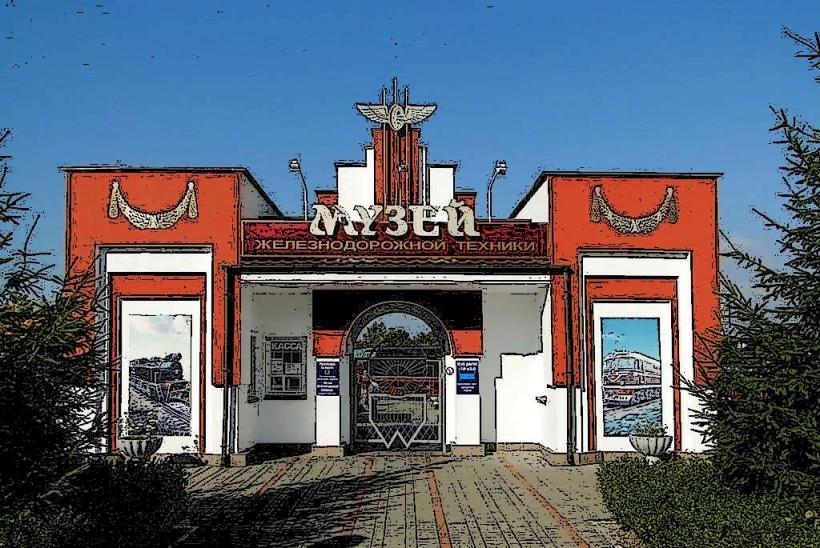
- Brest Railway Museum: 3.5km Northeast
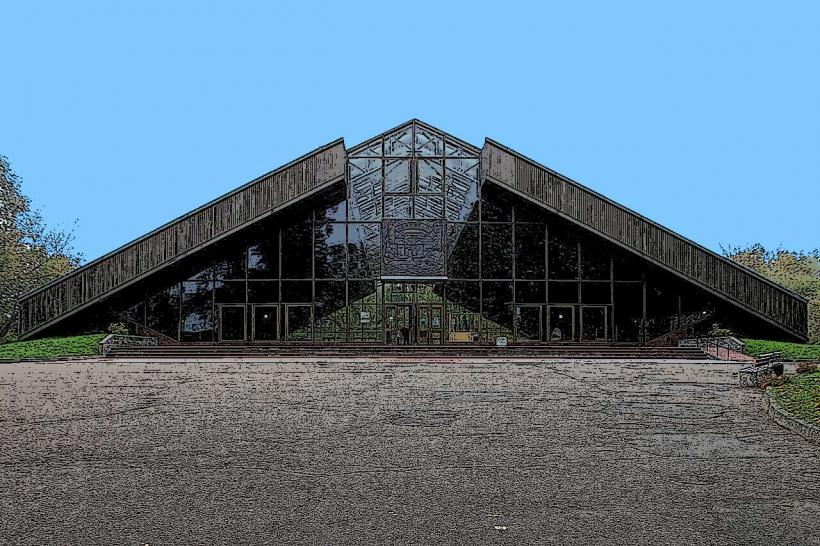
- Berestye Archeological Museum: 2.5km North
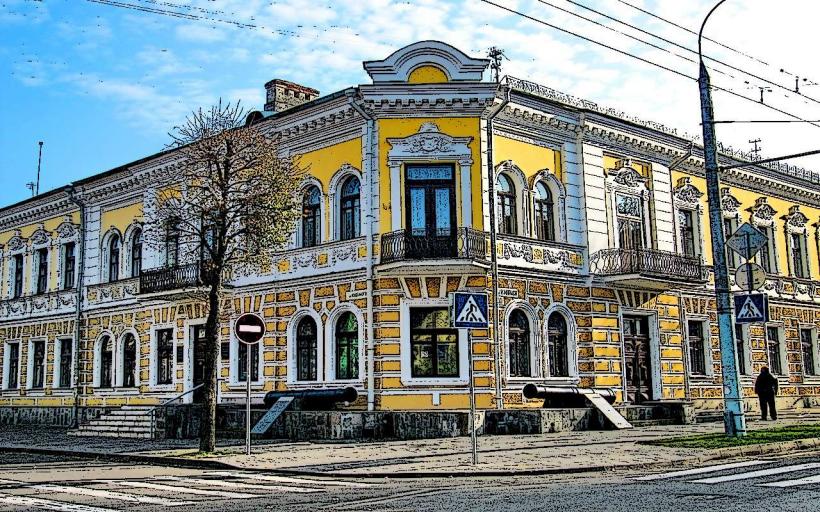
- St. Nicholas Garrison Cathedral: 2.0km North