Information
Landmark: White PalaceCity: Brest
Country: Belarus
Continent: Europe
White Palace, Brest, Belarus, Europe
The White Palace is a historical building located within the confines of the Brest Fortress in Brest, Belarus. It is primarily recognized as the site where the Treaty of Brest-Litovsk was signed in 1918.
Visual Characteristics
The original structure was a two-story building constructed of brick and plaster, featuring a classical architectural style common for military administrative buildings of the late 19th century. Following its destruction during World War II, the site now primarily consists of preserved foundations and partial wall remnants, integrated into the memorial complex of the Brest Hero-Fortress Memorial Complex. Its appearance is that of a historical ruin, with interpretive plaques detailing its former layout and significance.Location & Access Logistics
The White Palace is situated within the central part of the Brest Fortress, approximately 3 kilometers west of Brest city center. Access to the fortress is via Masherov Avenue, which leads directly to the main entrance. Parking is available in designated lots near the fortress entrance. Public transport options include city buses (e.g., routes 5, 10, 15) and trolleybuses (e.g., routes 1, 3) that stop at "Brest Fortress" or "Hero-Fortress" stops. From these stops, the White Palace is accessible by walking within the memorial complex.Historical & Ecological Origin
The building was constructed in the late 19th century as part of the Russian Imperial Army's cadet corps facilities within the fortress. Its original purpose was administrative and residential for military personnel. Its historical significance escalated when it served as the headquarters for negotiations and the signing of the Treaty of Brest-Litovsk on March 3, 1918, which ended Russia's participation in World War I.Key Highlights & Activities
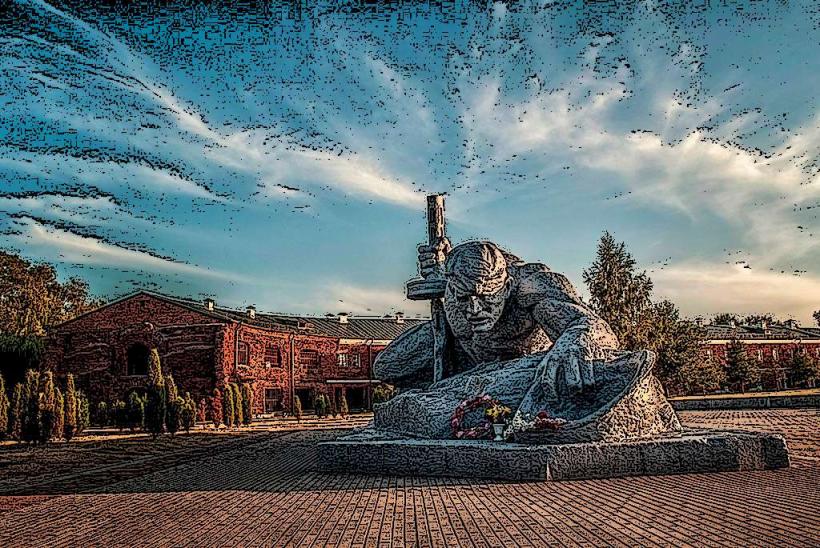
Visitors can walk through the preserved foundations and imagine the original layout of the building. Interpretive signs provide historical context regarding the treaty signing. The site is an integral part of the larger Brest Hero-Fortress Memorial Complex, allowing for exploration of surrounding monuments and museums.Infrastructure & Amenities
Restrooms are available within the broader Brest Hero-Fortress Memorial Complex, typically near the main entrance and museum areas. Limited shade is provided by surrounding trees. Cell phone signal (4G/5G) is generally reliable throughout the complex. Food vendors and small cafes are located near the main entrance and within the fortress grounds.Best Time to Visit
The best time to visit is during the late spring (May-June) or early autumn (September-October) when the weather is mild and conducive for outdoor exploration. Morning hours are recommended for photography, as the light illuminates the historical structures without harsh shadows. The site is accessible during the operating hours of the Brest Hero-Fortress Memorial Complex.Facts & Legends
The Treaty of Brest-Litovsk, signed in this building, resulted in Russia ceding vast territories to the Central Powers, including parts of modern-day Ukraine, Belarus, and the Baltic states. A specific historical oddity is that the treaty was signed in a building that would later be almost completely destroyed during the defense of the fortress in 1941, symbolizing the transient nature of peace agreements.Nearby Landmarks
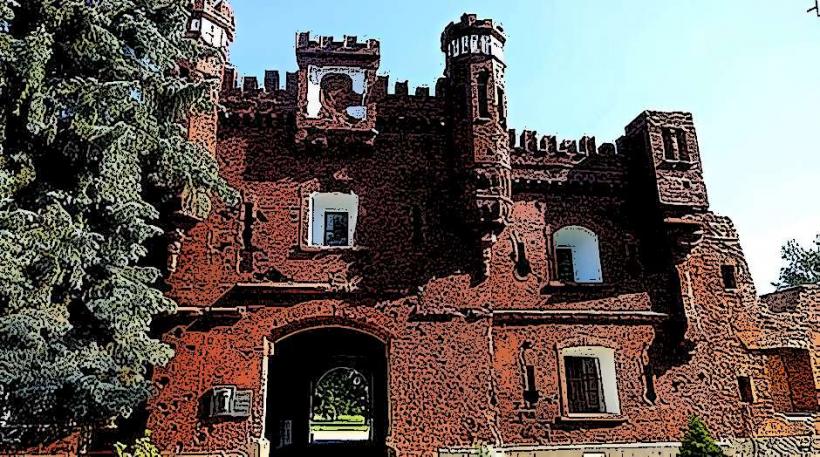
- Kholm Gate: 0.3km East
- Museum of the Defense of Brest Fortress: 0.5km North
- Eternal Flame and Main Monument: 0.4km Northeast
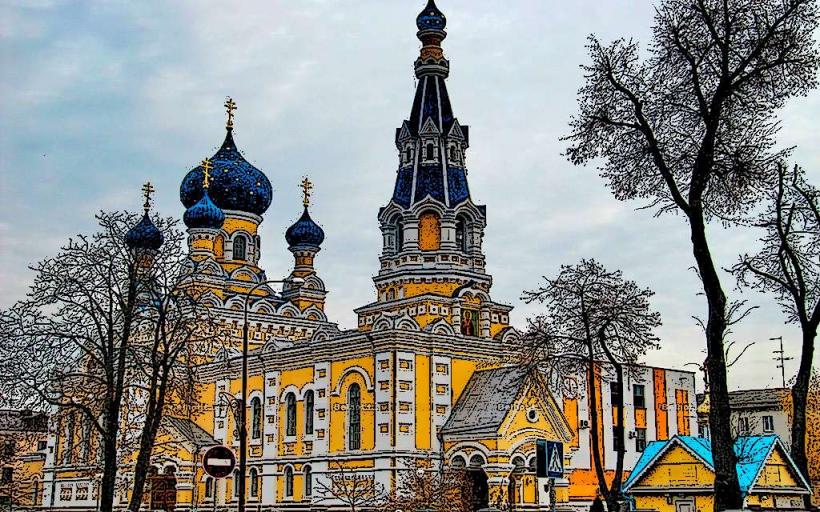
- St. Nicholas Garrison Cathedral: 0.6km Northwest
- Archaeological Museum "Berestye": 2.5km East