Information
Landmark: Regional Museum of Local HistoryCity: Brest
Country: Belarus
Continent: Europe
Regional Museum of Local History, Brest, Belarus, Europe
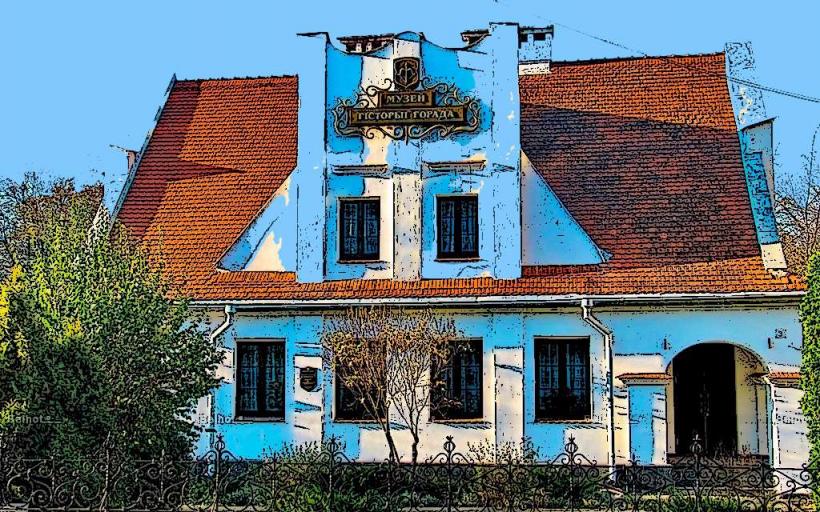
The Regional Museum of Local History is an institution dedicated to the historical and cultural heritage of the Brest region. It is situated in the city of Brest, Belarus.
Visual Characteristics
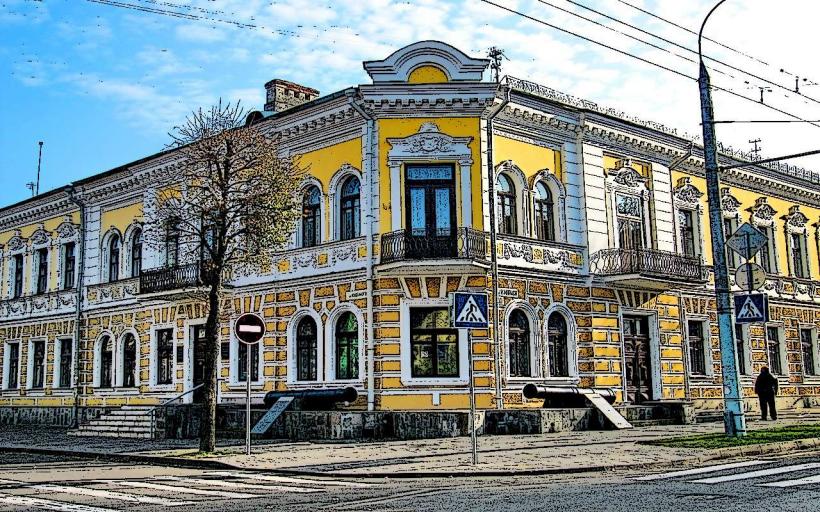
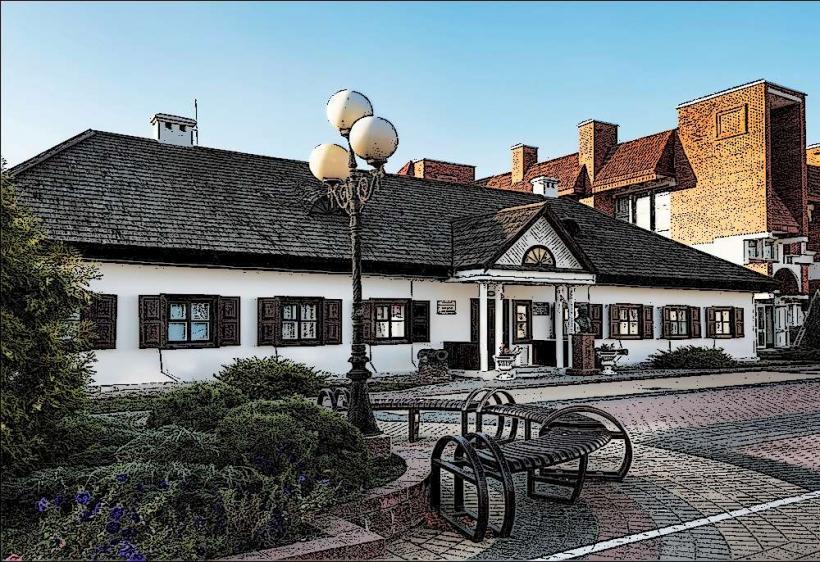
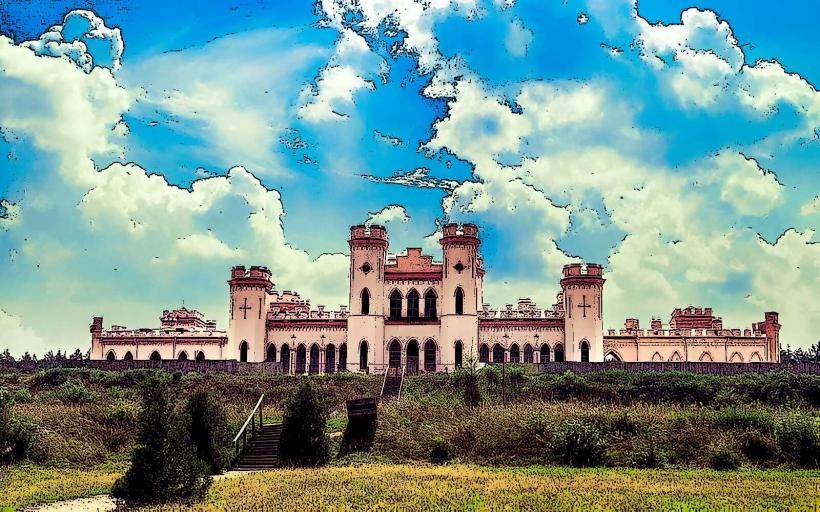
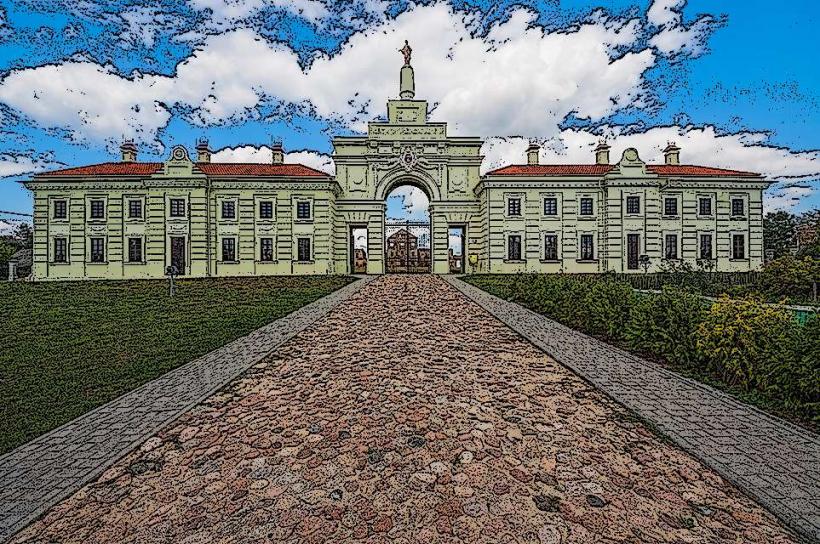
The museum is housed within a two-story building constructed of red brick, featuring a neoclassical architectural style. The facade includes decorative elements such as pilasters and cornices. The roof is gabled, covered with dark tiles. The building maintains a symmetrical design with multiple windows framed by white sills, contributing to its formal appearance. Its height is approximately 12 meters.
Location & Access Logistics
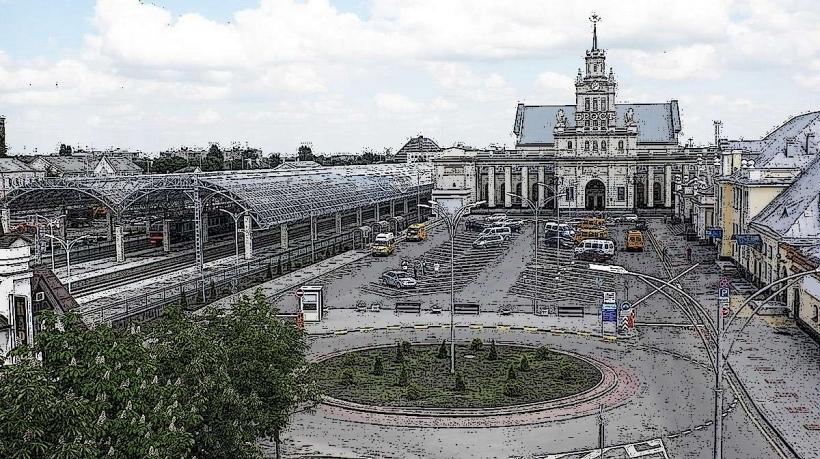
The museum is located at Karl Marx Street 60, approximately 1.5 kilometers southwest of Brest city center. From the central train station, it is a 2.5-kilometer drive via vulica Lenina. Limited street parking is available on adjacent streets. Public transport options include bus lines 3, 5, and 9, which stop at "Ploshchad Lenina," approximately 400 meters from the museum entrance. Trolleybus lines 1, 2, and 3 also serve this area.
Historical & Ecological Origin
The building housing the museum was originally constructed in 1904 as the Brest-Litovsk Provincial Museum. It was designed by architect Nikolai Yakovlevich Chagin. Its initial purpose was to collect and display artifacts related to the history and ethnography of the Brest region. The museum was officially established in 1918, with its current name adopted later.
Key Highlights & Activities
The museum features permanent exhibitions covering the ancient history of the Brest region, the medieval period, and the city's development through the 19th and 20th centuries. Specific exhibits include archaeological finds from the Berestye Archaeological Museum site, ethnographic collections showcasing local crafts and costumes, and displays on the city's role in various historical conflicts. Temporary exhibitions are regularly organized, focusing on specific historical events or cultural themes. Educational programs and guided tours are available upon request.
Infrastructure & Amenities
Restrooms are available on both floors of the museum. The building is equipped with heating and air conditioning. Seating areas are provided within exhibition halls. Cell phone signal (4G/5G) is generally strong throughout the premises. A small gift shop offering books and souvenirs related to Brest history is located near the entrance. There are no dedicated food vendors within the museum, but several cafes and restaurants are located within a 200-meter radius on vulica Savieckaja.
Best Time to Visit
The museum is typically less crowded during weekday mornings, shortly after opening at 10:00. For optimal viewing of outdoor architectural details, late morning or early afternoon provides balanced natural light. The months of May, June, and September offer pleasant weather conditions for exploring Brest before or after a museum visit, avoiding the peak summer heat or winter cold.
Facts & Legends
One notable artifact within the museum's collection is a fragment of a wooden street pavement dating back to the 13th century, excavated from the Berestye archaeological site. This fragment provides direct evidence of the city's early urban planning and construction techniques.
Nearby Landmarks
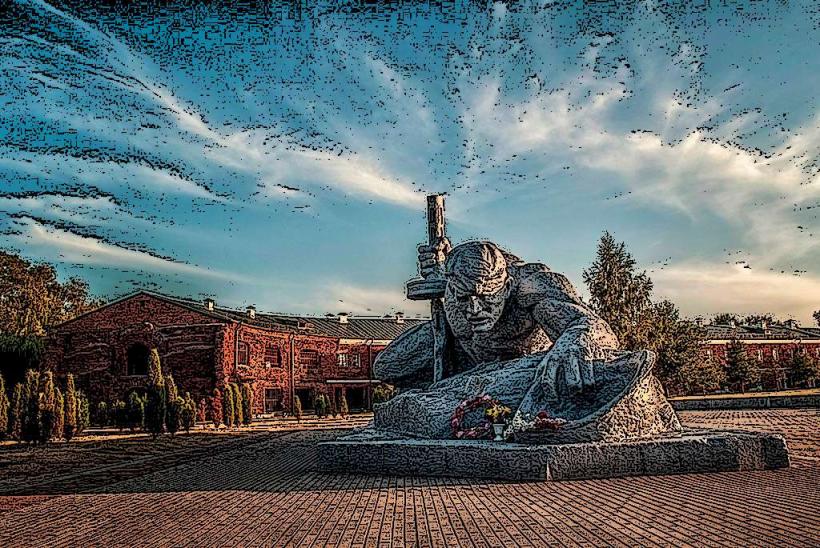
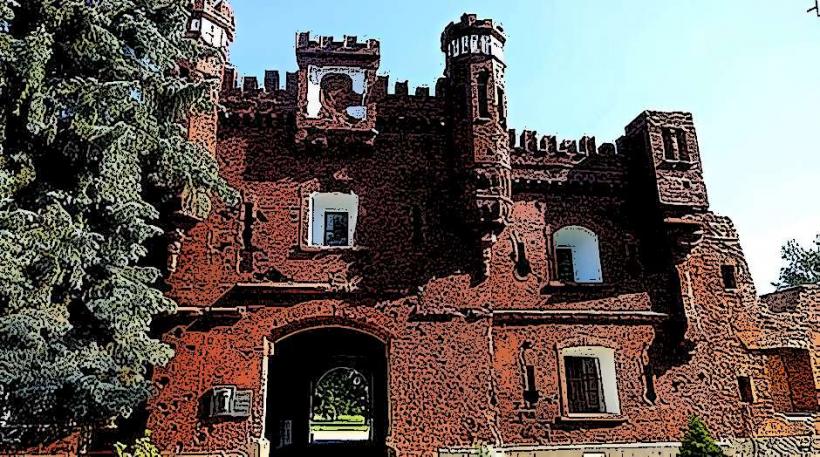
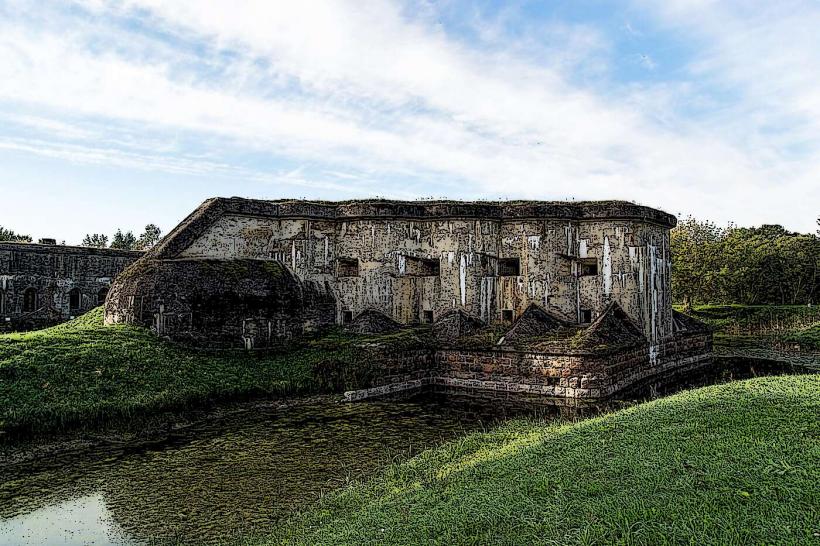
- Brest Fortress Hero-Memorial Complex: 3.5km West
- Berestye Archaeological Museum: 3.2km West
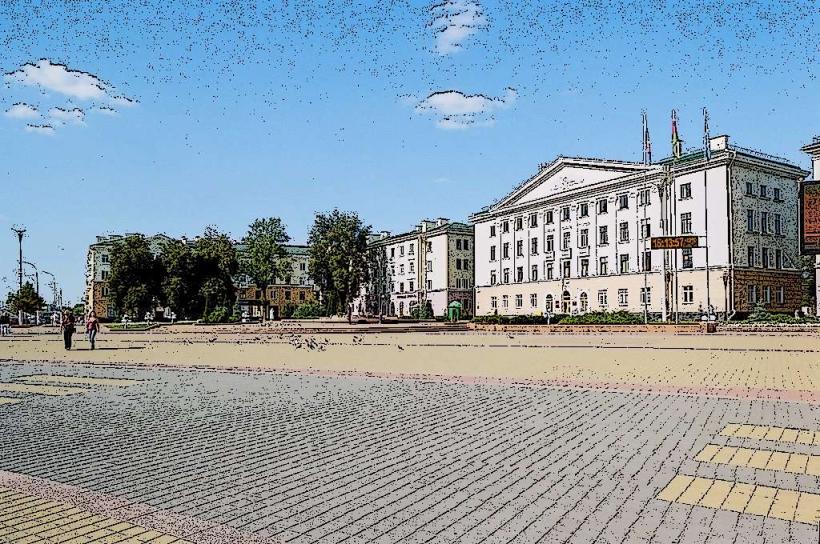
- Sovetskaya Street (Pedestrian Zone): 0.2km North
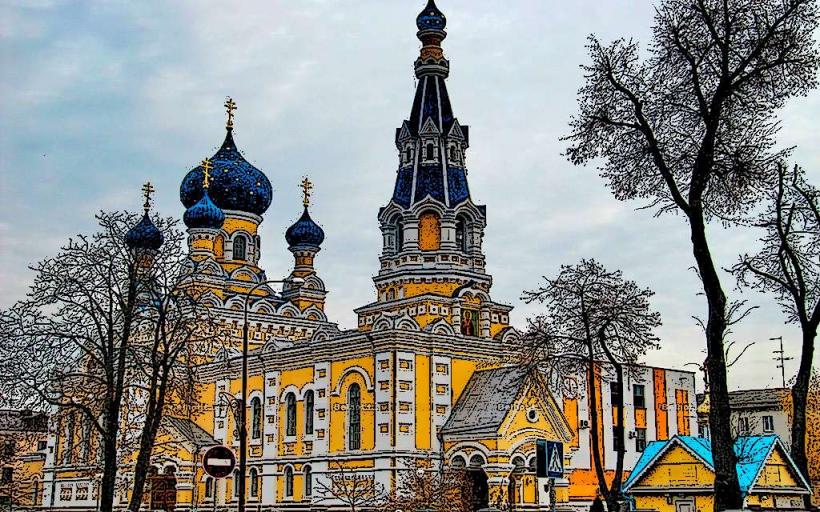
- St. Nicholas Garrison Cathedral: 3.4km West
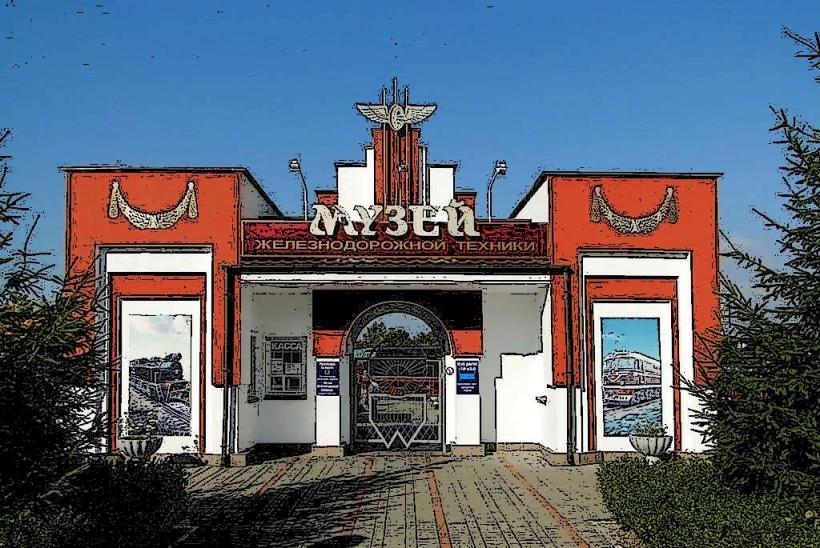
- Brest Railway Museum: 4.0km Southwest