Information
Landmark: Akihabara Electric TownCity: Tokyo
Country: Japan
Continent: Asia
Akihabara Electric Town, Tokyo, Japan, Asia
Akihabara Electric Town is a district in Tokyo, Japan, known for its concentration of electronics retailers and anime/manga culture.
This area functions as a commercial hub for consumer electronics, gaming, and otaku-related merchandise.
Visual Characteristics
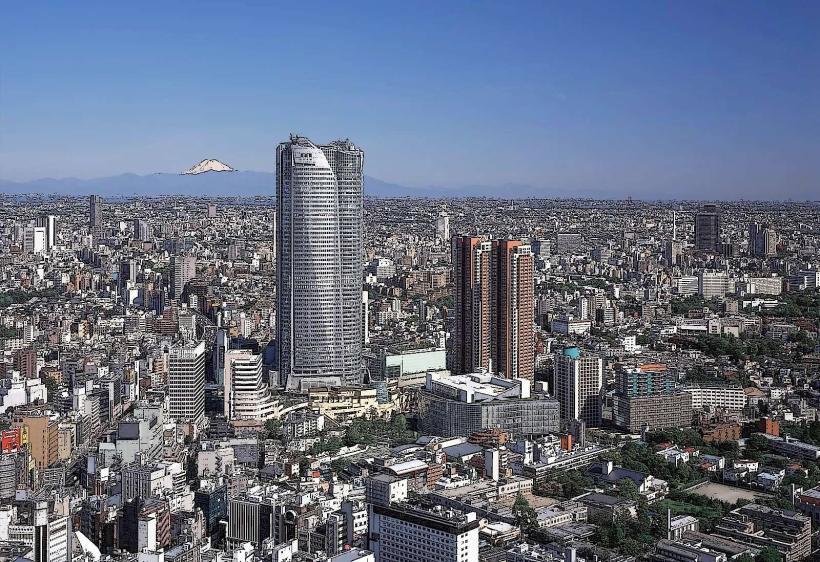
The district is characterized by multi-story buildings adorned with large, illuminated advertising billboards and neon signs. Building facades are predominantly concrete and glass, with retail spaces occupying lower floors and offices or residential units above. Street-level views are dominated by shop displays featuring electronics, anime figures, and manga publications. The overall visual impression is one of high density and constant visual stimulation.
Location & Access Logistics
Akihabara Electric Town is located in the Chiyoda Ward of Tokyo. It is approximately 3 kilometers northeast of the Imperial Palace. The primary access point is Akihabara Station, served by the JR Yamanote Line, Keihin-Tohoku Line, Sobu Line, Tokyo Metro Hibiya Line, and Tsukuba Express. Multiple parking garages are available in the vicinity, though they can be expensive and fill quickly, especially on weekends. Numerous bus routes also serve the area, with stops directly outside Akihabara Station.
Historical & Ecological Origin
The area's development as an electronics hub began after World War II, initially as a black market for radio parts. By the 1950s, it had evolved into a legitimate center for radio and electronics sales. The district's growth accelerated in the 1970s and 1980s with the rise of consumer electronics and personal computers. It later diversified to include anime, manga, and gaming culture, solidifying its unique identity.
Key Highlights & Activities
Shopping for electronics, including cameras, computers, and audio equipment. Browsing and purchasing anime, manga, and related merchandise. Visiting themed cafes, such as maid cafes and anime-themed establishments. Playing arcade games at large entertainment centers. Exploring multi-story hobby shops for model kits and collectibles.
Infrastructure & Amenities
Restrooms are available in most large retail stores and department stores. Many establishments offer air-conditioned interiors, providing shade. Cell phone signal (4G/5G) is generally strong throughout the district. Numerous food vendors, restaurants, and convenience stores are located within the immediate vicinity of Akihabara Station and along the main streets.
Best Time to Visit
For photography, early morning (before 9:00 AM) offers less pedestrian traffic and softer lighting before the full intensity of the neon signs activates. Weekdays generally have fewer crowds than weekends. The district is active year-round, with no specific seasonal weather requirements for indoor activities.
Facts & Legends
A notable historical oddity is the district's transformation from a post-war black market for radio parts to a global center for electronics and otaku culture. A "secret" tip for visitors is to explore the smaller side streets off the main Chuo Dori avenue, as these often contain specialized shops with unique items not found in larger stores.
Nearby Landmarks
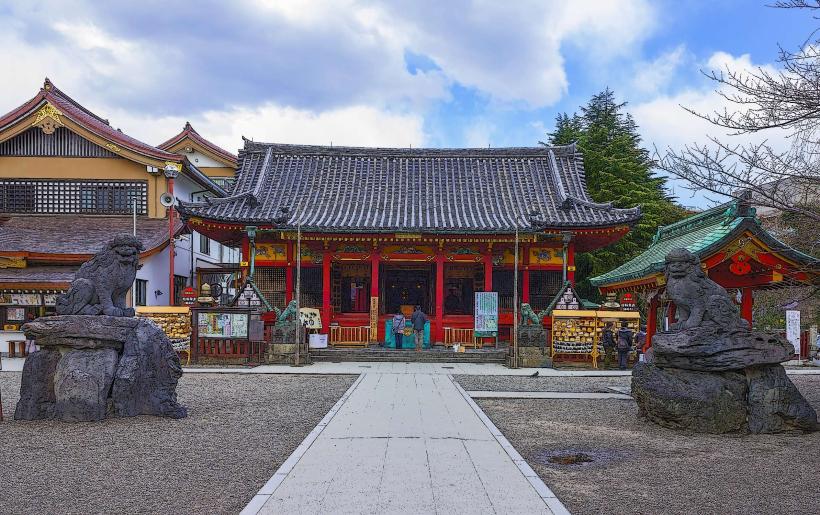
- Kanda Myojin Shrine (0.8km Southwest)
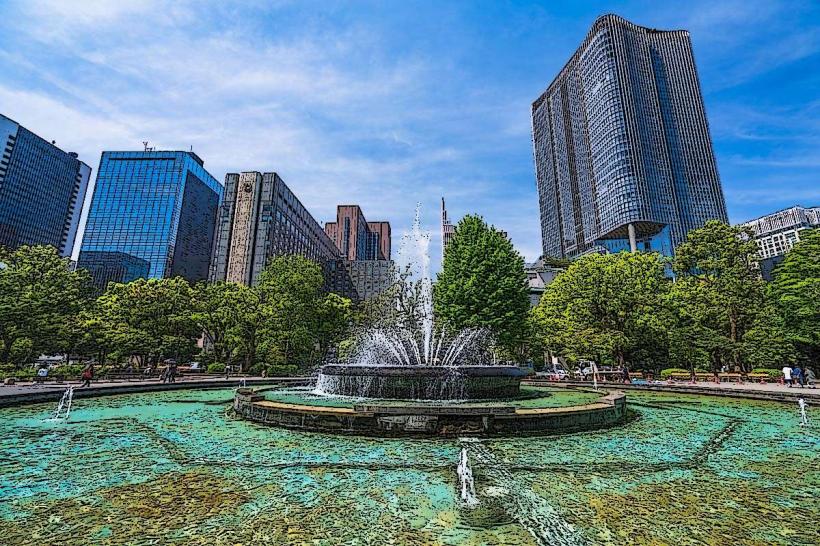
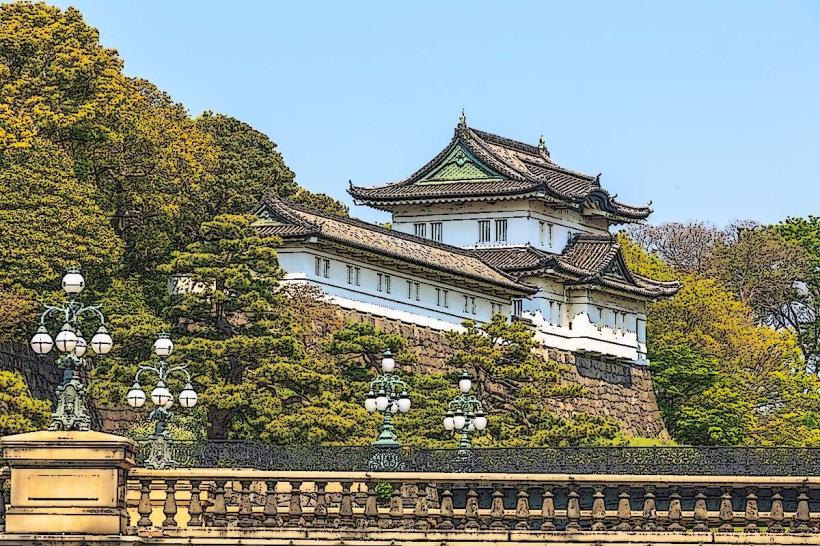
- Imperial Palace East Garden (2.5km Southwest)
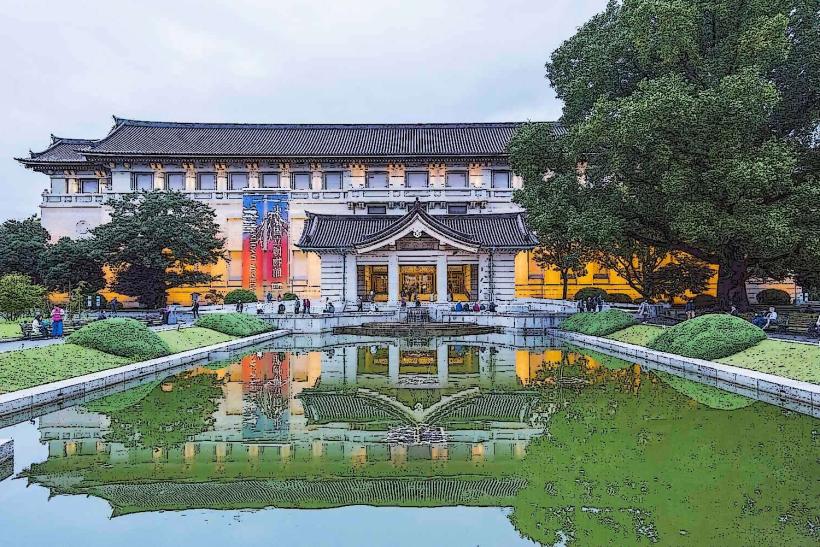
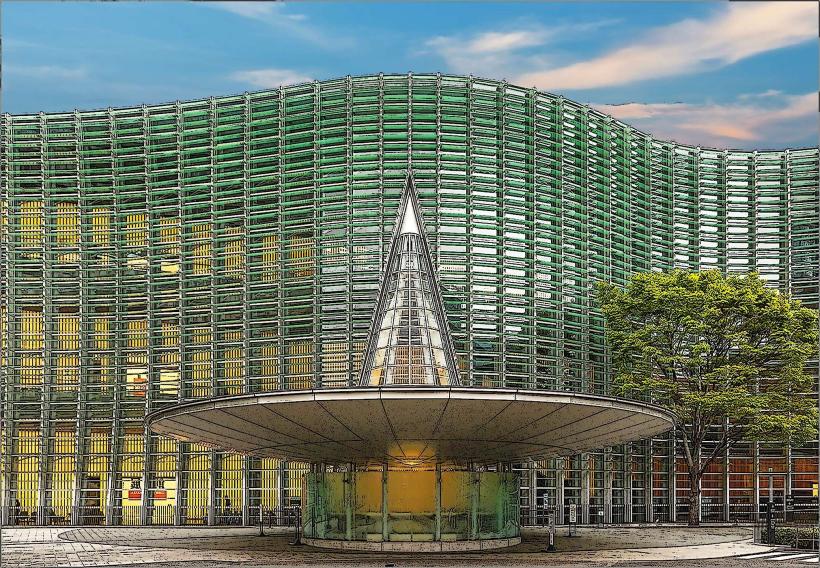
- Tokyo National Museum (3.2km West)
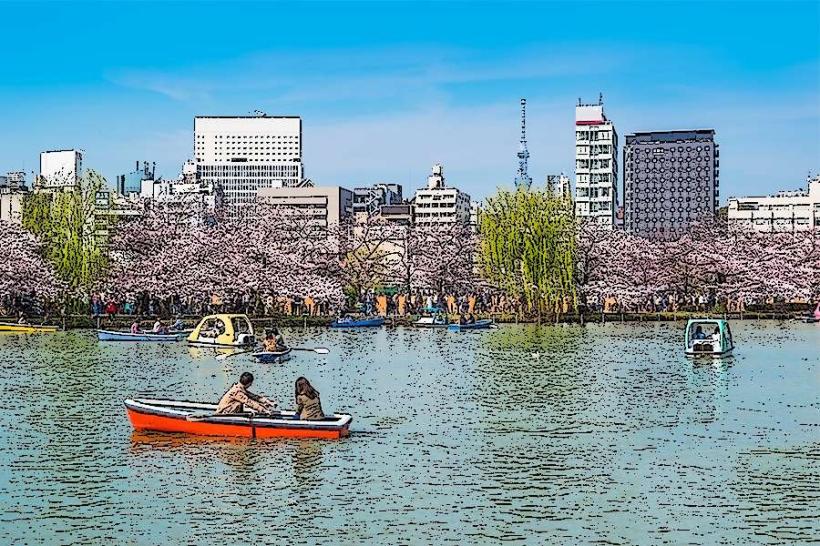
- Ueno Park (3.5km Northwest)
- Ginza (3.8km South)