Information
Landmark: OdaibaCity: Tokyo
Country: Japan
Continent: Asia
Odaiba, Tokyo, Japan, Asia
Odaiba is a large artificial island in Tokyo Bay, Japan, developed as a commercial, residential, and entertainment district.
It is connected to mainland Tokyo by the Rainbow Bridge and various transportation systems.
Visual Characteristics
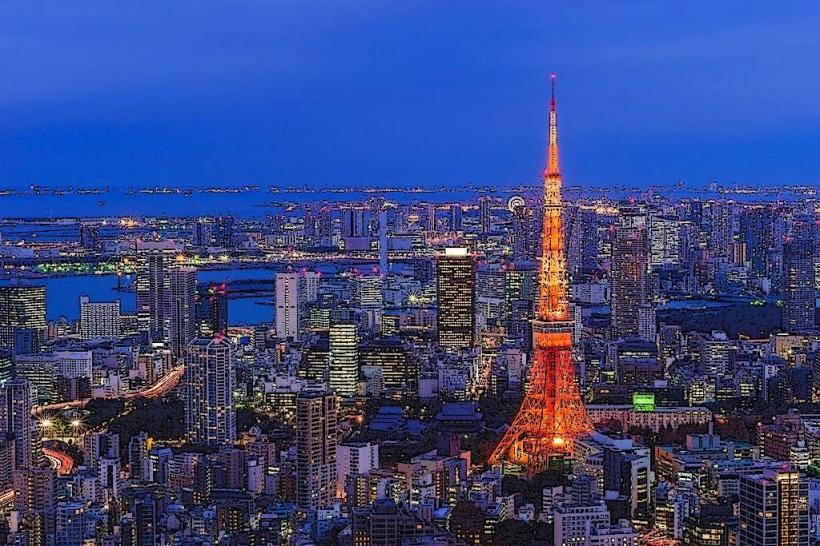
Odaiba features modern architecture with a focus on steel, glass, and concrete structures. Notable buildings include the Fuji TV Building with its spherical observation deck, the Telecom Center, and the Aqua City Odaiba shopping complex. The island is characterized by wide avenues, open plazas, and waterfront promenades. The Statue of Liberty replica stands prominently on the western side, offering a view of the Tokyo skyline across the bay.
Location & Access Logistics
Odaiba is located approximately 5 kilometers south of central Tokyo. Access is primarily via the Yurikamome Line, an automated transit system originating from Shimbashi Station, with stops including Daiba, Tokyo International Cruise Terminal, and Toyosu. The Rinkai Line also serves the island, connecting to Osaki Station. Driving access is via the Shuto Expressway Bayshore Route and the Rainbow Bridge, with parking available in multi-story car parks and at shopping centers. Ferry services operate from various points along Tokyo Bay.
Historical & Ecological Origin
Odaiba was originally constructed in the 1850s as a series of six forts to defend Tokyo Bay from potential attacks. The modern development of Odaiba began in the late 1980s as part of a large-scale urban redevelopment project, transforming it into a hub for business, culture, and leisure. The island is built on reclaimed land, with significant engineering involved in its creation and stabilization.
Key Highlights & Activities
Visitors can explore the National Museum of Emerging Science and Innovation (Miraikan), visit the life-sized Unicorn Gundam statue, and walk along the waterfront. Shopping and dining are available at Aqua City Odaiba, DiverCity Tokyo Plaza, and Decks Tokyo Beach. The Odaiba Seaside Park offers recreational space. Observation decks in various buildings provide panoramic views of the bay and city.
Infrastructure & Amenities
Odaiba is equipped with extensive infrastructure. Restrooms are widely available in shopping centers and public facilities. Shaded areas are present in parks and under building overhangs. Cell phone signal (4G/5G) is generally strong throughout the island. Numerous food vendors, restaurants, and cafes are located within the shopping complexes and entertainment venues.
Best Time to Visit
For photography, the late afternoon and early evening offer favorable lighting conditions as the sun sets and the city lights begin to illuminate. Weekdays generally have fewer crowds than weekends. There are no specific tide requirements for visiting Odaiba.
Facts & Legends
A unique aspect of Odaiba's development is its role as a testing ground for new urban technologies and infrastructure. The Yurikamome Line, for instance, was one of the first fully automated transit systems in Japan. The island's construction involved significant land reclamation, a common practice in densely populated coastal cities.
Nearby Landmarks
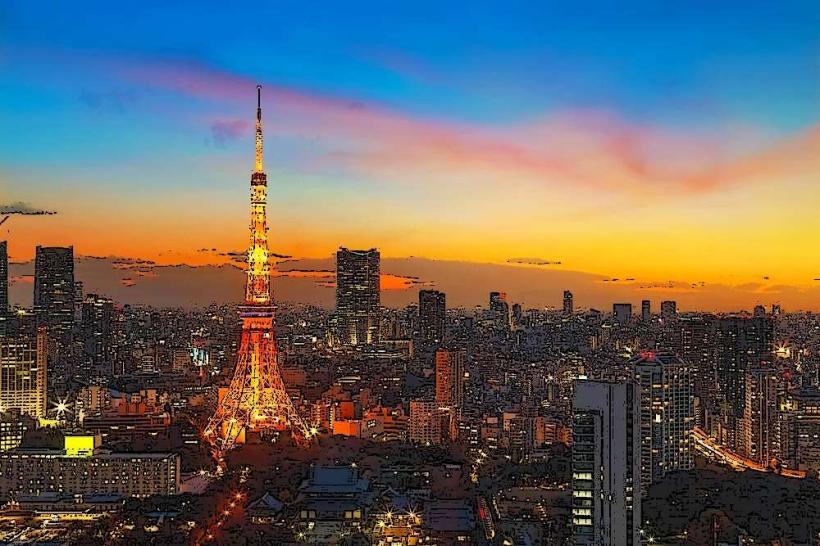
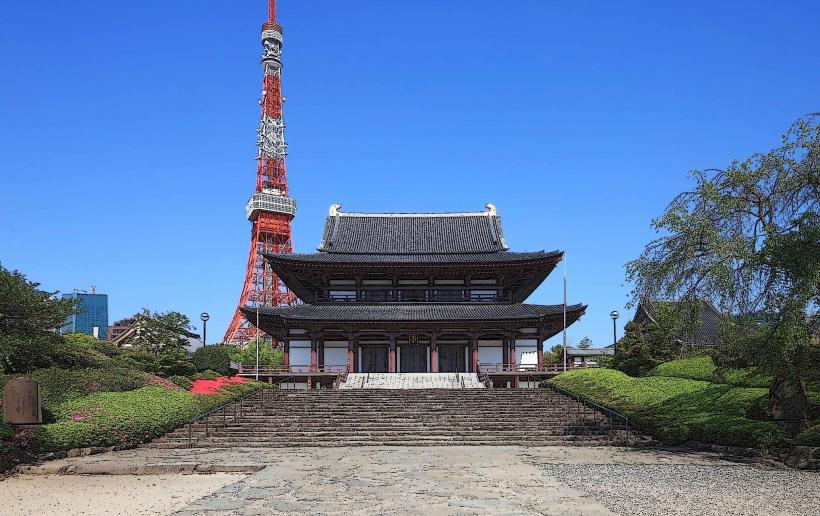
- Tokyo Tower: 4.5km Southwest
- Zojo-ji Temple: 4.8km Southwest
- Hama Rikyu Gardens: 3.2km West
- Tsukiji Outer Market: 3.5km West
- Shiodome: 3.0km West