Information
Landmark: AltstadtCity: Zurich
Country: Switzerland
Continent: Europe
Altstadt, Zurich, Switzerland, Europe
Overview
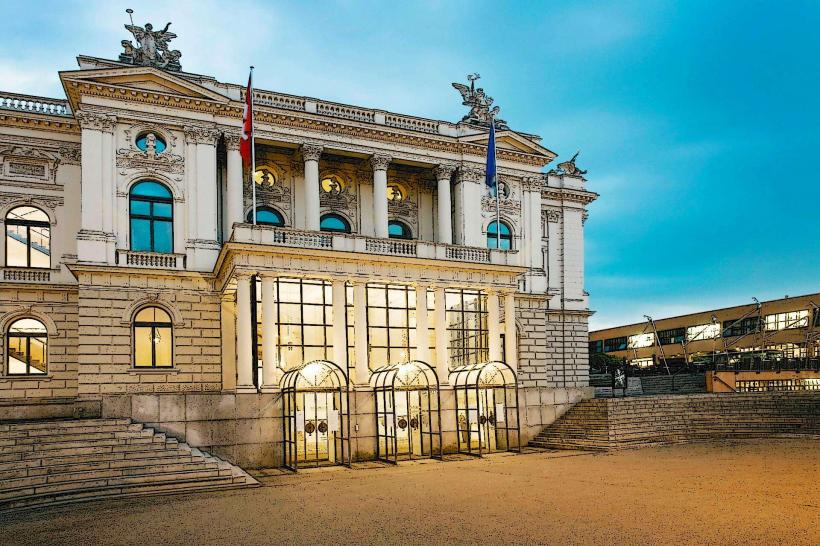
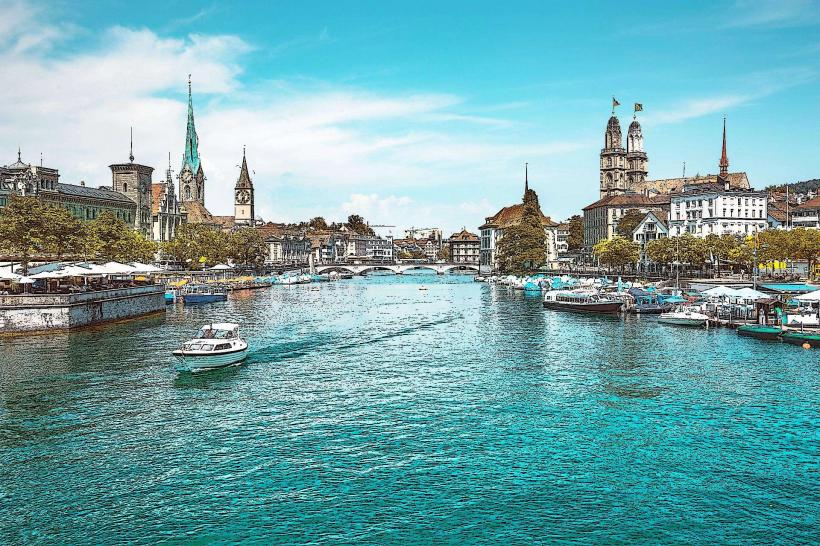
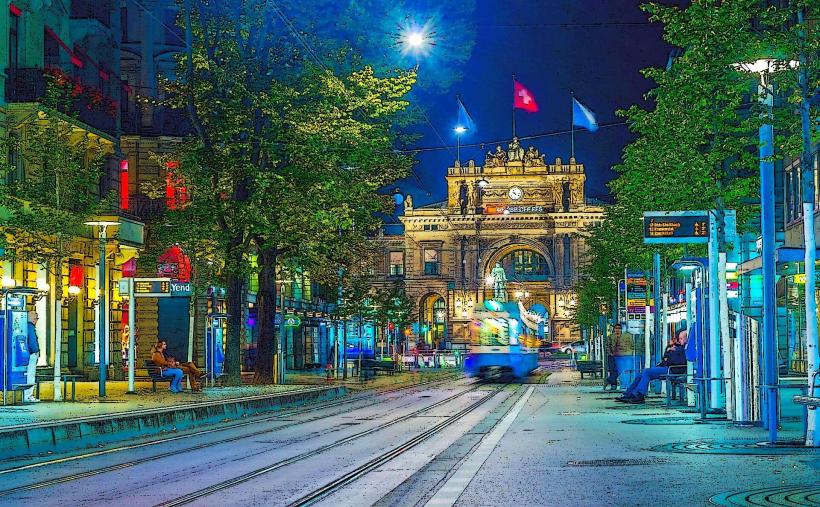
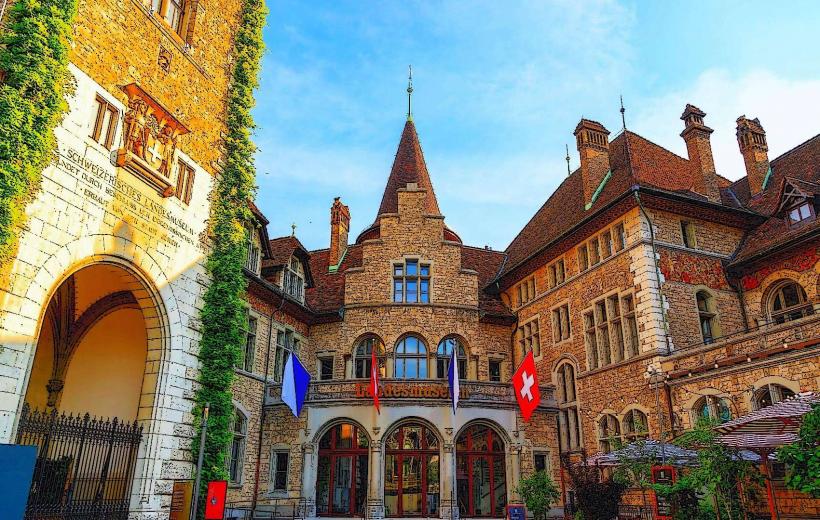
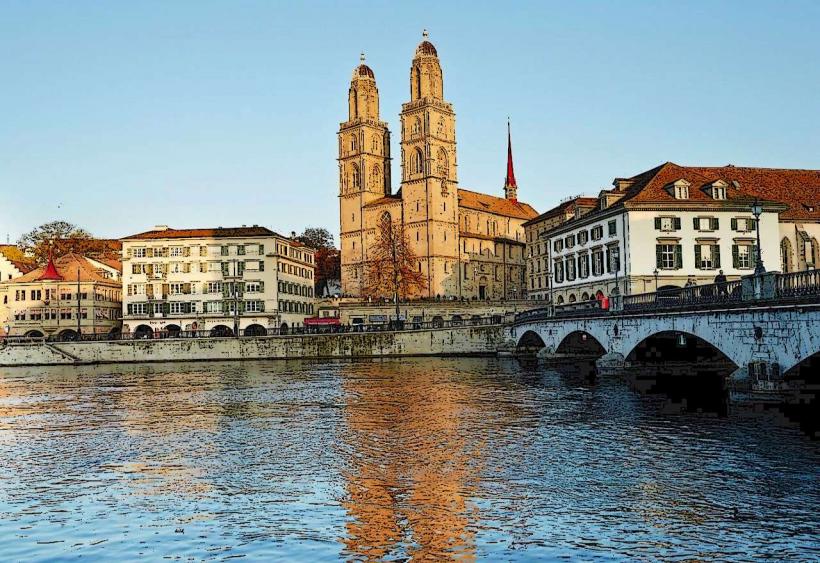
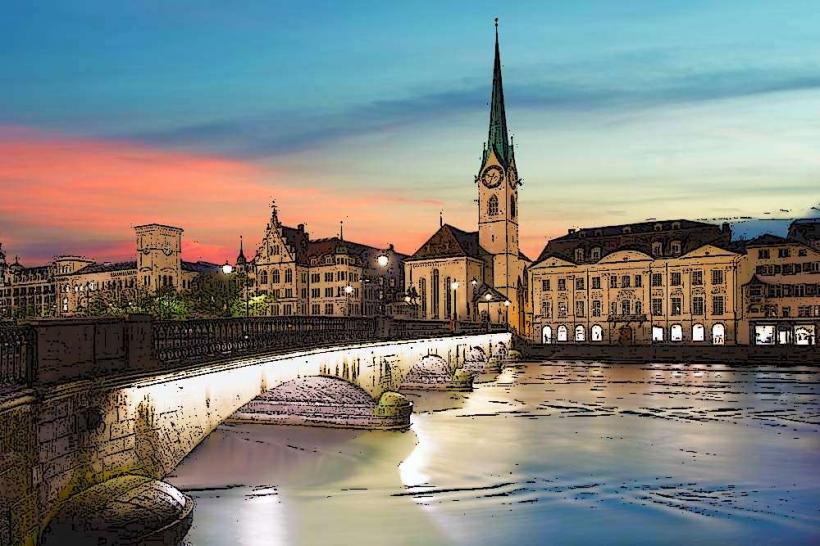
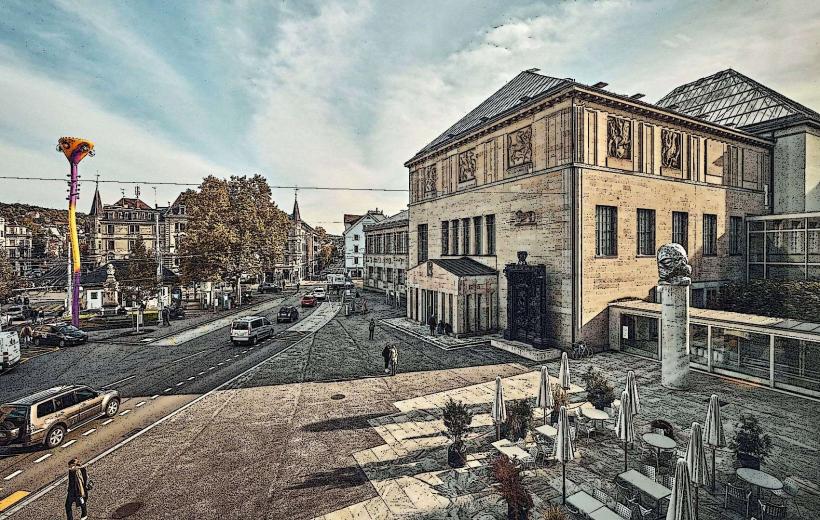
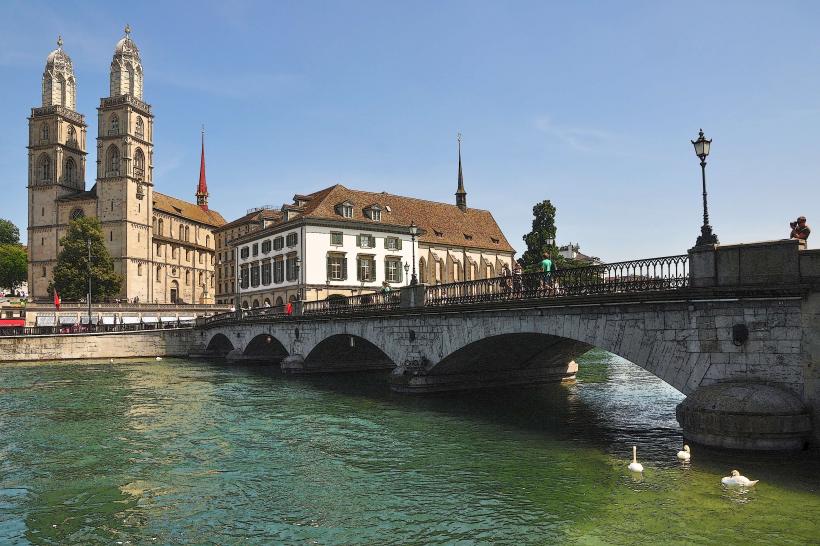
Zurich’s timeworn Town, or Altstadt, is the city’s historic heart-narrow cobbled lanes, centuries-timeworn buildings-and a spot you can’t skip if you’re exploring Switzerland’s largest city, therefore the ancient Town brims with life, its medieval buildings still sharp-edged against the sky, narrow cobblestone lanes underfoot, and a mix of cultural landmarks telling Zurich’s story from Roman days right through to today.The Altstadt splits into two main quarters: Grossmünster on the west side, where church towers rise above cobbled lanes, and Niederdorf on the east, while first, fairly If I’m being honest, Zurich’s historic Town traces its beginnings to the days of the Roman Empire, when soldiers once marched its narrow, stone-paved streets, in conjunction with back in Roman times, the city went by the name Turicum, and traces of that past still linger in the historic Town-weathered stone walls, fragments of gates, and scattered ruins.Over the centuries, Zurich spread outward from its compact medieval heart, as well as in the Middle Ages, Zurich grew into a bustling trade hub, its spot on the Limmat River sending goods and voices downstream.In the 16th century, it stood at the heart of the Protestant Reformation, simultaneously huldrych Zwingli, a central figure in the Swiss Reformation, stood in the pulpit of the Grossmünster Church and stirred changes that still shape Zurich’s Protestant spirit, while the Altstadt’s twisting lanes-some laid in the 1200s-wind like a stone labyrinth through the classical town.As you wander these narrow alleys, the worn cobblestones and medieval facades make you feel as if you’ve stepped into another century, with hidden courtyards tucked behind wooden doors and a quiet, ancient-world charm; here in Zurich’s ancient Town, you’ll find many of the city’s oldest treasures-medieval houses, stately town halls, and centuries-classical churches, in turn many of the buildings stand out with steep gabled roofs, stone walls cool to the touch, and windows framed in carved wood.Truthfully, In the antique Town, a handful of cozy squares invite you to linger over a meal or watch the world go by, on top of that squares like Paradeplatz carry a rich history, their edges lined with bustling cafés, shops, and petite restaurants where the scent of fresh bread drifts through the air.Among the city’s treasures, the Grossmünster Church stands out as one of Zurich’s most iconic landmarks, besides the Grossmünster, a towering Romanesque church built in the 12th century, stood at the heart of the Protestant Reformation, its twin spires casting long shadows over Zurich’s cobbled streets.Climb the church’s tower and you’ll discover the city spread out below, with the lake glinting in the distance, to boot the Fraumünster Church, once an abbey for noblewomen, holds Zwingli’s tomb and glows with Marc Chagall’s brilliant stained glass-blues and golds that catch the morning light in Zurich’s heritage Town.The church, built in the 9th century, boasts striking Gothic arches and stonework worn smooth by time, to boot just a short saunter away, St. Peter’s Church stands out with the largest clock face in Europe, its golden hands gleaming in the sun over the vintage Town, in conjunction with just steps from Lindenhof Hill, the church gives you a striking view of Zurich’s historic heart.From the hill itself-a quiet rise on the historic Town’s southern edge-you can spot the city spread out below, the Limmat glinting in the sun, and Lake Zurich shimmering in the distance, meanwhile the hill, where the Romans once built a fort, still offers locals a quiet site to unwind under the shade of antique oaks.As far as I can tell, Zurich’s Rathaus, a striking piece of medieval architecture, stands proudly beside the languid-moving Limmat River, in turn the 15th‑century facade brims with stone carvings and delicate, weathered patterns.Zurich’s city government still works out of the building, and in the Altstadt you’ll find museums like the Swiss National Museum, where carved wooden panels glow under soft light, and the Museum of Design, set just a short wander from the river, likewise many of the city’s museums and galleries sit inside centuries-classical buildings in the winding lanes of the vintage Town.Just beyond, right on the edge of the lake, the Zurich Opera House stands among Europe’s most celebrated, its white façade catching the afternoon light, also here, visitors can catch world-class performances that fill the air with energy, adding to the area’s cultural buzz.Wander the classical Town’s winding streets and you’ll find petite galleries and ateliers tucked between cafés, displaying everything from bold modern pieces to timeworn traditional works, in addition the streets winding through Niederdorf brim with miniature boutiques selling art and handmade crafts, their windows glowing in the evening light.Just beyond the classical Town’s edge, Bahnhofstrasse begins-one of the most famous shopping streets in the world, consequently lined with high-end boutiques, grand department stores, and glossy luxury labels, it gives visitors a taste of Zurich’s cosmopolitan spirit.In the classical Town, you’ll also find tiny shopfronts with hand-carved wooden toys, artisan workshops, and stalls brimming with traditional Swiss goods, what’s more in the Altstadt’s specialty shops, you’ll spot handmade watches, silky Swiss chocolates, and gleaming local jewelry alongside unique crafts.Just steps away, cozy cafés and bustling bistros serve everything from hearty rösti to fragrant bowls of pasta, along with from a steaming pot of fondue to a quick latte in a warm, firelit café, you’ll find plenty of choices to match any mood.Niederdorf buzzes after murky, with bars pouring nippy beer and restaurants dishing up rosti-crispy potato cakes-and tender schnitzel, to boot every April, the city comes alive again for Sechseläuten, Zurich’s beloved spring festival.They mark winter’s end by setting the Böögg ablaze, a straw-stuffed figure meant to symbolize the freezing season, as well as the parade bursts with traditional costumes, lively music, and dancing, ending in a roaring bonfire in the aged Town, fairly Every two years, the Zürich Festival fills the city with music, dance, theater, and street performances that spill into its winding cobblestone lanes, also in winter, the aged Town glows with Christmas markets, where stalls brim with handmade ornaments, fresh gingerbread, and steaming cups of mulled wine.Just so you know, The Christkindlimarkt at Zurich Main Station, along with the smaller aged Town markets, draws plenty of visitors with its warm lights and festive scents, likewise just a short wander away, the Lake Zurich promenade offers a peaceful stroll beside rippling water, somewhat I think, From here, you can take in sweeping views of the city, the mountains rising in the distance, and the lake shimmering below, at the same time benches, green parks, and scattered art pieces line the promenade.Perched atop Lindenhof Hill, Lindenhof Park offers sweeping views of the city and a quiet spot where leaves whisper in the breeze, and it’s a lovely setting to unwind, maybe with a coffee in hand, while soaking in the site’s rich past.The heritage Town of Zurich blends centuries-classical charm, vibrant culture, and a touch of modern life, while with winding medieval streets, ornate facades, and a lively arts scene spilling from its galleries, it’s a must-perceive for anyone exploring Zurich.You might wander down its cobbled lanes, pause beneath the cool shadow of an classical church door, or marvel at its centuries-timeworn monuments.
Author: Tourist Landmarks
Date: 2025-08-26