Information
Landmark: Amathus BeachCity: Limassol
Country: Cyprus
Continent: Europe
Amathus Beach, Limassol, Cyprus, Europe
Visual Characteristics
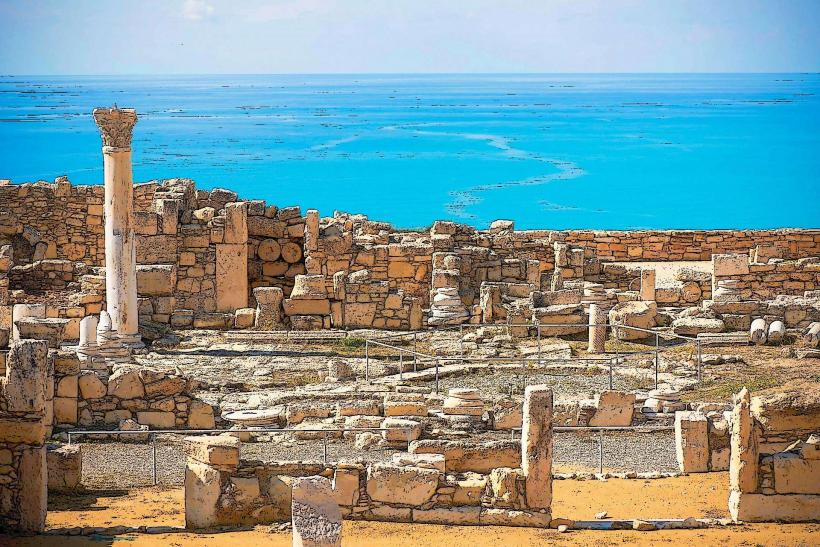
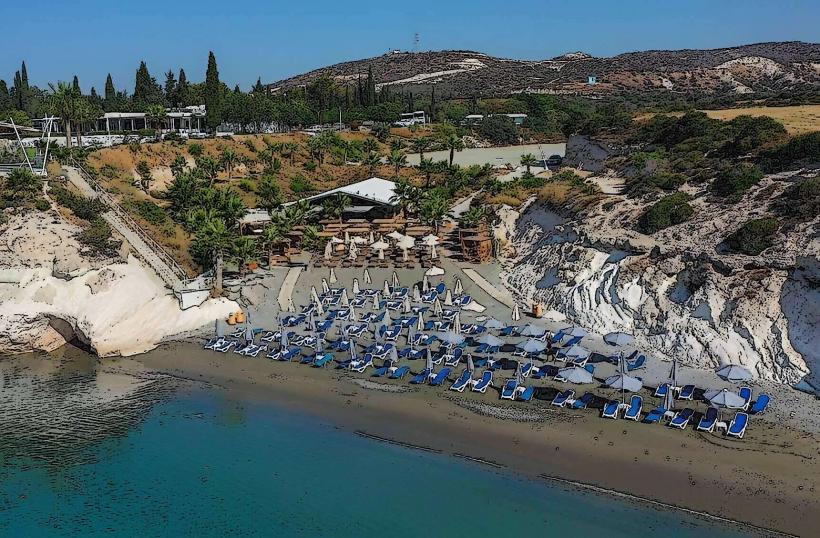
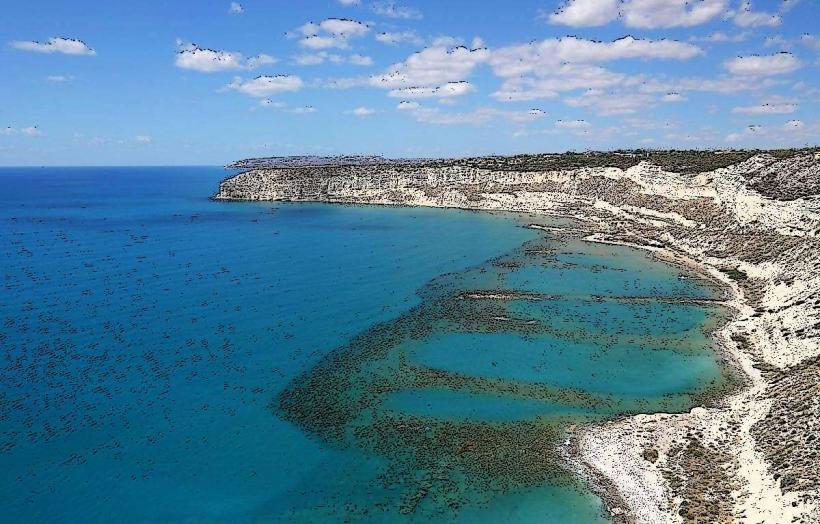
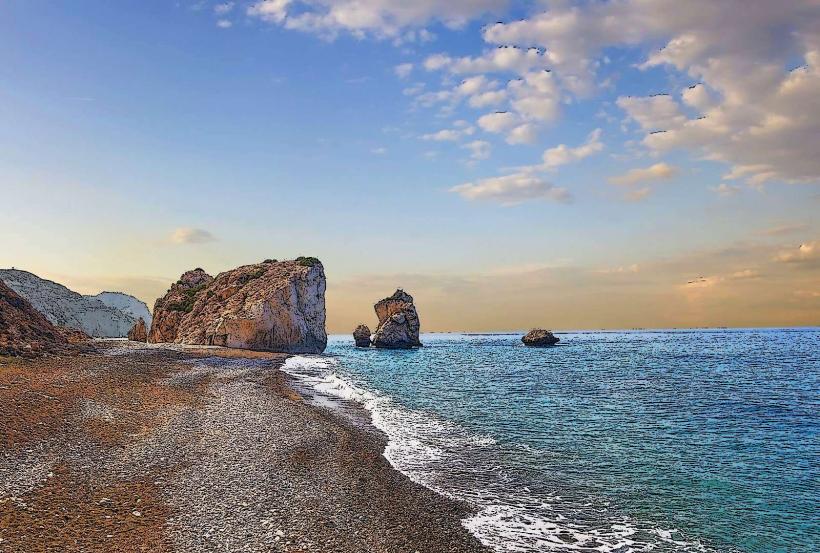
The beach features greyish-brown sand and clear, shallow Mediterranean waters. Rocky sections are present, particularly near the ancient ruins. Coastal vegetation is sparse, consisting mainly of low-lying shrubs and some cultivated palm trees in developed zones.
Location & Access Logistics
Amathus Beach is situated approximately 11 kilometers east of the Limassol city center. Access is direct via the B1 coastal road, also known as Amathus Avenue. Public parking facilities are available along the beach road. The area is served by Limassol Urban Bus route 30, which operates along the coastal stretch.
Historical & Ecological Origin
The beach is a natural coastal formation, shaped by millennia of marine processes. Its historical significance derives from its immediate adjacency to the Ancient City of Amathus, one of Cyprus's oldest royal cities, with origins dating back to 1100 BC. The coastline here has been subject to natural erosion and sediment deposition.
Key Highlights & Activities
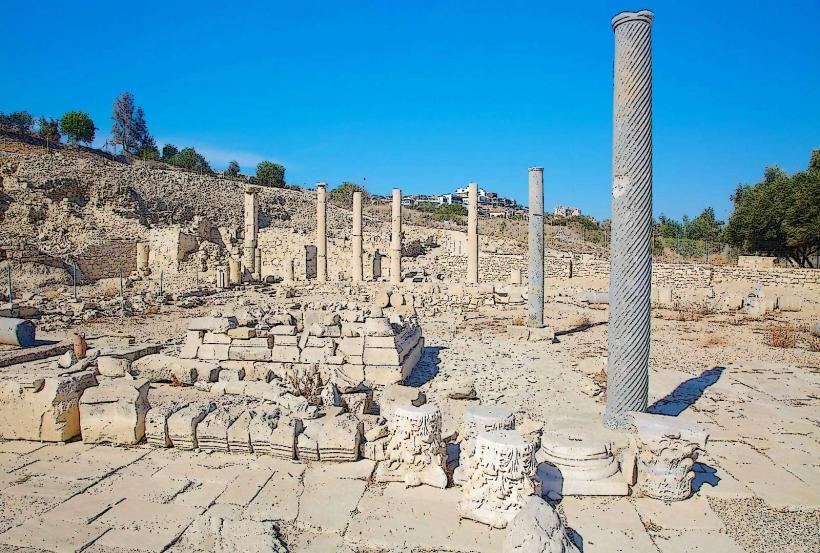
Swimming in the Mediterranean Sea is a primary activity. Sunbathing on the sand is common. Walking along the designated coastal promenade is possible. Visitors can explore the adjacent Ancient Amathus archaeological site. Water sports facilities are available through nearby hotel operators.
Infrastructure & Amenities
Public restrooms are available at various points along the beach. Designated areas offer shade via rented umbrellas and sunbeds. Cell phone signal strength is consistently 4G/5G. Numerous beach bars, restaurants, and kiosks are located directly adjacent to the beach, providing food and beverages.
Best Time to Visit
The optimal months for swimming and sunbathing are May through October, with July and August being the warmest. Early morning or late afternoon provides the best light for photography, particularly when capturing the ancient ruins. The Mediterranean Sea experiences minimal tidal range, so no specific tide requirements exist.
Facts & Legends
The ancient city of Amathus, bordering the beach, was a significant cult center dedicated to the goddess Aphrodite. A local legend suggests that Theseus, after his victory over the Minotaur, left Ariadne, pregnant with Dionysus, at Amathus. A practical tip for visitors is to combine a beach visit with an exploration of the archaeological park, which offers elevated views of the coastline.
Nearby Landmarks
- Ancient Amathus archaeological site: 0.1km North
- Aphrodite Beach: 1.5km East
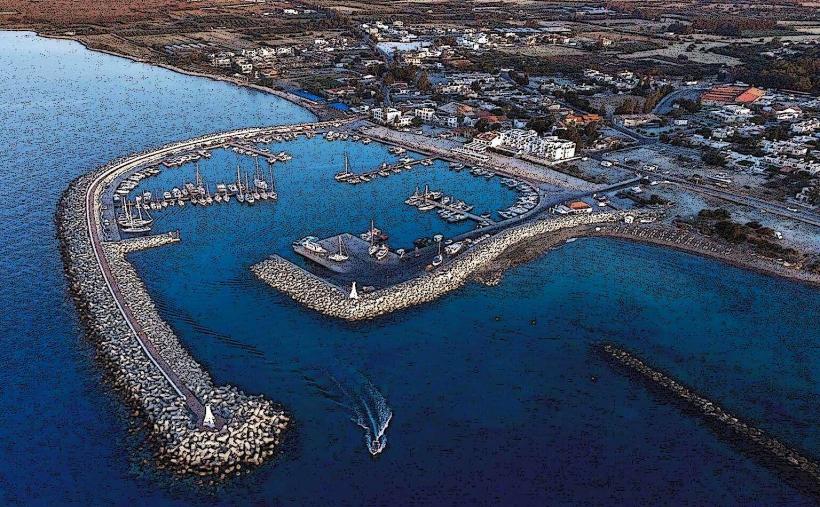
- St. Raphael Marina: 2.5km West
- Castella Beach: 3km West