Information
Landmark: Kolossi CastleCity: Limassol
Country: Cyprus
Continent: Europe
Kolossi Castle, Limassol, Cyprus, Europe
Overview
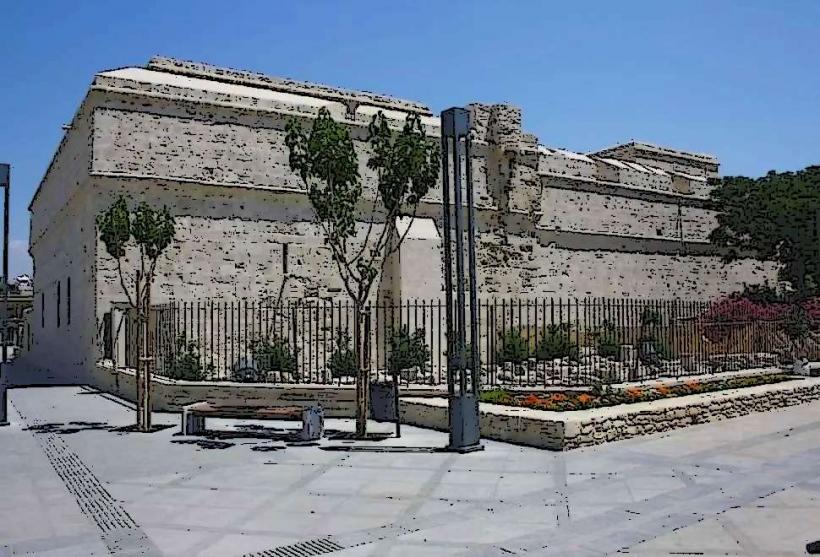
Kolossi Castle, a sturdy medieval fortress, stands just outside Limassol in the sun-baked south of Cyprus, not only that perched on the coastline, the castle stands as one of Cyprus’s best-kept medieval fortresses, giving visitors a clear glimpse of the island’s Crusader-era past.Let’s take a closer glance at Kolossi Castle, whose story stretches back to the 12th century, when its stone walls first rose against the Cyprus sky, what’s more you’ll find it in Kolossi, a village once prized for its spot just a short ride from the ancient city of Kourion and the sparkling, windswept coastline.The castle’s past is bound to the Knights Hospitaller, the religious warriors who once patrolled Cyprus’s sun-baked coast during the height of the Crusades, at the same time during the Crusader era, the Knights of St. John-also called the Knights Hospitaller-built Kolossi Castle in the early 1200s, its pale stone walls rising above the Cyprus fields, and the castle stood as both fortress and headquarters for the knights, who rode out under the scorching sun to guard Christian interests in the Holy Land and the lands beyond.At the time, the castle served as the heart of the Knights Hospitaller’s estates in Cyprus, surrounded by wide fields-especially the cane-filled plots where sugar was grown, moreover lusignan Period: When the French Lusignan dynasty seized Cyprus in the late 12th century, they turned Kolossi Castle into a key stronghold and command center, its stone walls bristling with guards.During this time, the castle grew larger and stronger, with contemporary stone walls rising high against the wind, not only that the sugar trade thrived, and Kolossi grew into a hub for crafting the island’s prized Cypriot sugar and Commandaria wine-a rich, honeyed dessert wine still celebrated today.After the Ottomans seized Cyprus in 1571, Kolossi Castle’s importance waned, yet it still stood among the island’s fields and fortifications, its stone walls catching the sun, at the same time over the years, the castle served many roles-at one point housing local lords who dined by its great stone hearth-before crumbling into neglect in modern times, generally Kolossi Castle blends medieval military strength with Crusader-era style, its thick stone walls and stark, towering form built to both defend and impress, besides the castle’s layout shows it was built to guard against attack while running daily affairs, from storing grain to hosting the lord’s council, loosely The tower is Kolossi Castle’s most eye-catching feature, a solid square block that climbs nearly 20 meters high-about the height of a six-story building, alternatively the central tower served as both a fortress and a home, its stone walls holding warmth in winter and standing firm against any attack.Somehow, With its thick stone walls, slit-like windows, and a perch high above the valley, the tower would’ve been a nightmare to assault, moreover outer Walls and Courtyard: A broad stone courtyard wraps around the castle, enclosed by high walls that once offered the people inside an extra shield against danger.The walls bristle with defenses-crenellated battlements, narrow slits for archers, and a sturdy gatehouse guarding the way, along with a wide stone arch marks the entrance, and the castle’s walls, thickened in the medieval era, were built to endure the crush of a siege.Curiously, Inside, Kolossi Castle feels plain yet practical, with bare stone walls that hold the cool of the shade, on top of that the ground floor holds a few wide rooms, once likely used for storage or office work, their bare walls still echoing faintly.The upper floors served as living quarters for the knights and their commanders, with narrow beds pressed against the stone walls, on top of that inside, you’ll find vaulted ceilings still sharp with age, a cool stone cistern once filled with water, and a dim, heavy-aired dungeon built to hold prisoners.The castle holds a modest chapel, much like those in many medieval strongholds, where knights once knelt in prayer and held their sacred rites, furthermore you’ll find it on the tower’s ground floor-a simple space with an easy elegance, like sunlight on polished stone, roughly One of the most striking things about Kolossi Castle is its deep-rooted link to the sugar trade, back when its stone halls echoed with the clatter of presses and the sweet scent of cane filled the air, simultaneously around Limassol, fields of tall, rustling sugarcane once stretched toward the horizon, and the Knights Hospitaller played a key role in building Cyprus’s sugar trade.The knights ran large sugar mills across the region, and Kolossi Castle stood at the heart of it all, overseeing the work from its sunbaked stone walls, as well as in medieval Europe, sugar from the region was prized, and Cyprus shipped it in bulk to the Crusader states and across the warm, bustling ports of the Mediterranean.Kolossi was also famed for making Commandaria, a rich, honey-sweet fortified wine whose origins stretch deep into ancient history, then they make the wine from grapes grown in the region, and both the Crusaders and the locals once treasured its deep, earthy flavor.Archaeologists digging at Kolossi Castle have uncovered details that bring its history and everyday life into sharp focus, from worn cooking pots to the remnants of a stone oven, after that archaeologists have dug up pottery shards, rusted blades, and timeworn coins from different eras, each piece offering clues to the castle’s military strength and administrative life.The area around it has turned up signs of farming-ancient sugar mills with rusted gears, and stone wine presses worn smooth by years of use, meanwhile today, you can wander through Kolossi Castle’s stone halls, a favorite stop for visitors exploring Cyprus.Visitors can wander through the castle’s stone archways, hear stories of its past, and take in the wide sweep of green fields rolling to the horizon, simultaneously the castle’s well-preserved walls, especially the towering keep, offer a vivid glimpse of medieval life-knights in armor clanking up stone steps, residents bustling in the shadow of the fortress.As far as I can tell, Inside the castle, a minute exhibition showcases artifacts unearthed during excavations-like a rusted iron key-offering a glimpse into its past and the role it once played in Cyprus’ medieval economy, what’s more climb the tower, and you’ll find sweeping views of the Limassol plain and the shimmering Mediterranean beyond.Kolossi Castle remains a striking reminder of the island’s Crusader-era history, at the same time the castle, with its weathered stone walls and rich ties to the sugar and wine trades, gives visitors a rare chance to step back in time.Perched in a prime spot, with stone arches that catch the morning light and centuries of stories etched into its walls, it remains a vital piece of Cyprus’ cultural heritage.
Author: Tourist Landmarks
Date: 2025-09-03