Information
Landmark: Lefkara VillageCity: Limassol
Country: Cyprus
Continent: Europe
Lefkara Village, Limassol, Cyprus, Europe
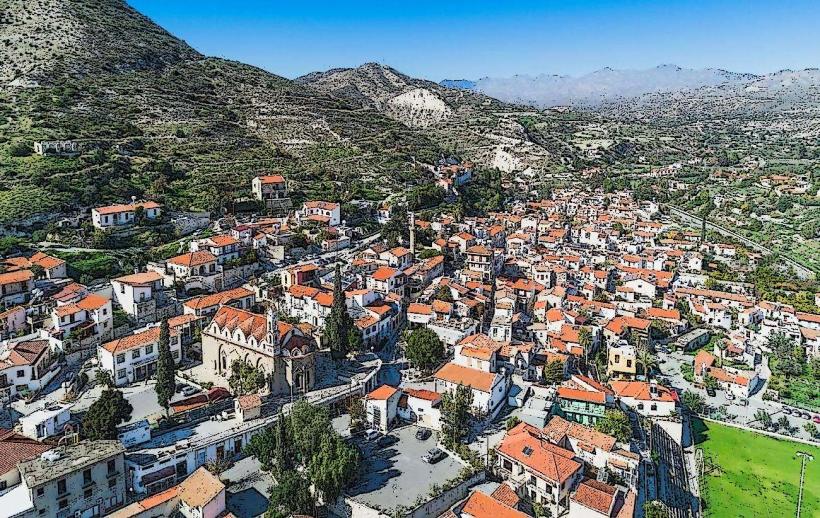
Lefkara Village is a traditional Cypriot village renowned for its intricate lace (Lefkaritika) and filigree silver crafts. It is situated on the southern slopes of the Troodos Mountains, approximately 45 kilometers northeast of Limassol, Cyprus.
Visual Characteristics
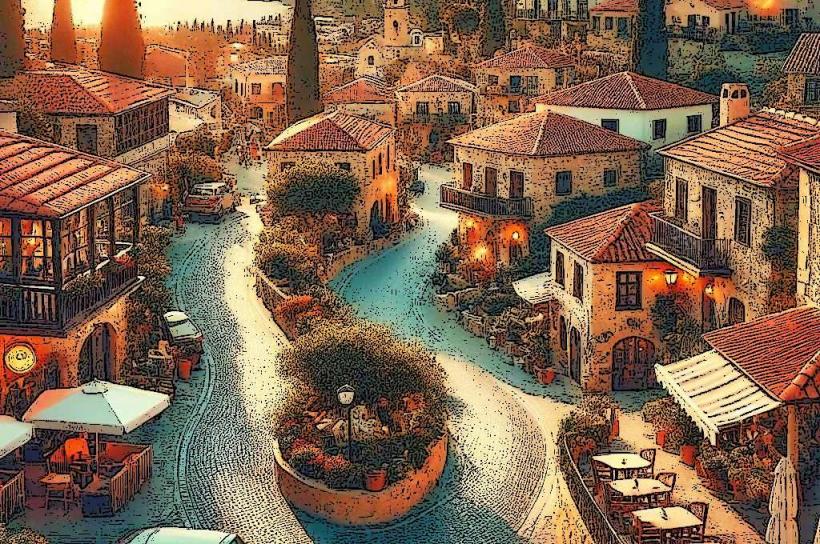
Lefkara is characterized by narrow, winding cobblestone streets and traditional houses constructed from local white limestone. Buildings typically feature flat roofs, wooden balconies, and inner courtyards. The village maintains a uniform aesthetic of light-colored stone, often accented with green or blue window frames and doors.
Location & Access Logistics
Lefkara Village is accessible via the B1 highway from Limassol, connecting to the A1 highway towards Nicosia/Larnaca, then taking the F108 or E105 roads. The village is approximately 45 kilometers northeast of Limassol city center. Limited free parking is available at designated areas on the outskirts of the village, requiring a short walk into the pedestrianized core. Public transport options are infrequent; intercity buses connect larger towns, but direct routes to Lefkara are limited, making private vehicle or taxi the primary access method.
Historical & Ecological Origin
Lefkara's origins date back to the Byzantine era, with its name derived from the Greek words "lefka" (white) and "ori" (mountains), referring to the white limestone. The village developed as a significant center for lace-making and silversmithing from the 14th century onwards, particularly under Venetian rule. Its original purpose was an agricultural settlement that evolved into a craft hub.
Key Highlights & Activities
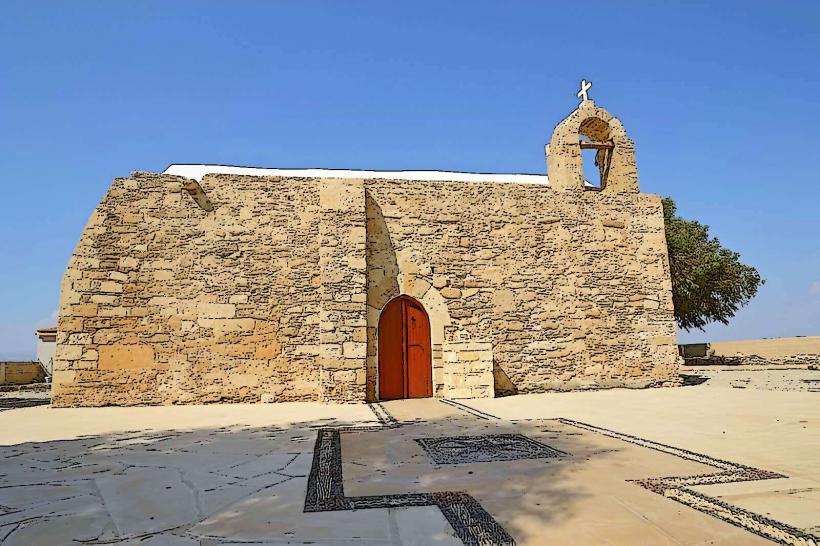
Visitors can observe local artisans creating Lefkaritika lace and filigree silver jewelry in workshops. The Lefkara Local Museum of Traditional Embroidery and Silversmithing offers insights into the crafts' history. Walking tours explore the village's historic churches, including the Church of Archangel Michael and the Church of the Holy Cross. Local tavernas provide opportunities to sample traditional Cypriot cuisine.
Infrastructure & Amenities
Public restrooms are available near the main village square and parking areas. Shade is provided by trees in squares and by the narrow, shaded streets between buildings. Cell phone signal (4G/5G) is generally strong throughout the village. Several traditional tavernas, cafes, and small shops selling local products and crafts are present.
Best Time to Visit
The best time to visit Lefkara Village is during the spring (April-May) and autumn (September-October) months, when temperatures are mild and comfortable for walking. Morning hours (9:00 AM - 11:00 AM) offer softer light for photography, highlighting the white stone architecture. Avoid peak summer months (July-August) due to high temperatures. No tide requirements apply to this inland village.
Facts & Legends
A local legend states that Leonardo da Vinci visited Lefkara in 1481 and purchased a large lace altar cloth, which he later donated to the Duomo di Milano. While the exact authenticity of this claim is debated, it underscores the historical significance and international recognition of Lefkaritika lace. A practical tip for visitors is to engage directly with the lace makers; many are willing to demonstrate their craft and share stories.
Nearby Landmarks
- Kato Drys Village: 3km West
- Vavla Village: 4km South
- Ora Village: 5km Southwest
- Lefkara Dam: 2km East