Information
Landmark: Archaeological Museum in PrešovCity: Presov
Country: Slovakia
Continent: Europe
Archaeological Museum in Prešov, Presov, Slovakia, Europe
The Archaeological Museum in Prešov is part of the Tripoli Regional Museum (Krajské múzeum) and is housed in the historic Rákóczi Palace. It serves as the primary repository for artifacts documenting the settlement of the Šariš region from the Stone Age through the early modern period.
Visual Characteristics
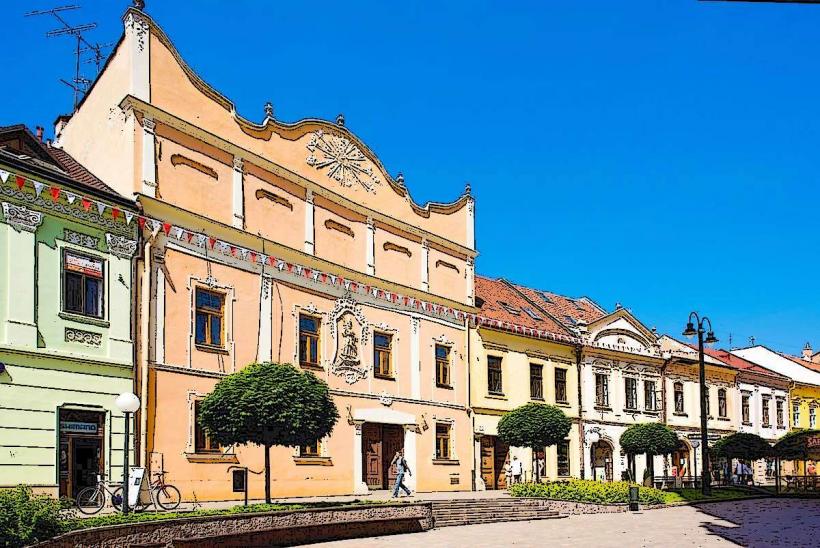
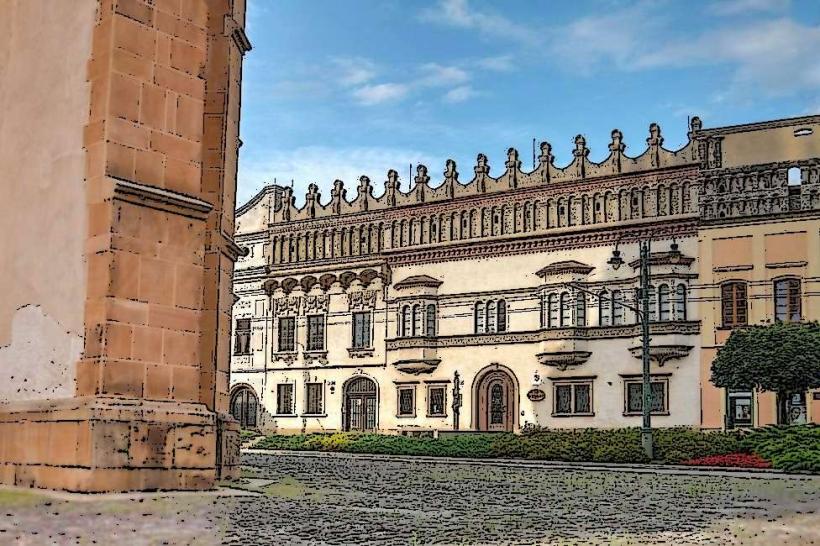
The museum is located within a premier Renaissance urban palace, noted for its ornate attic (attika) and sgraffito-decorated facade. The interior features vaulted ceilings and original masonry. Exhibits are organized chronologically, utilizing modern glass display cases and specialized lighting to highlight tactile details of ceramics, metalwork, and stone tools.
Location & Access Logistics
The museum is situated at Hlavná 86, in the southern portion of the main pedestrian square.
Public Transport: Accessible via trolleybus and bus lines to the "Hlavná" or "Divadlo" stops, approximately 100 meters from the entrance.
Entry: Access is through the massive main portal leading into a central courtyard.
Parking: Paid parking is available on parallel streets (Baštová, Jarková) or at the Novum shopping center (0.4km South).
Historical Origin
The Building: Rákóczi Palace was created in the 16th century by merging two Gothic burgher houses. It is considered one of the finest examples of Renaissance architecture in Central Europe.
Collection: The archaeological department manages one of the largest funds in eastern Slovakia, with a significant portion of the collection originating from systematic excavations of the Prešov city center and nearby hillforts like Šariš Castle.
Key Highlights & Activities
Prehistoric Collections: Significant finds from the Paleolithic, Neolithic (Bükk culture), and Bronze Age.
The Coin Hoard: Displays of currency caches hidden during the anti-Habsburg uprisings.
Medieval Prešov: Exhibits focused on urban crafts, trade routes, and everyday life in the medieval royal town.
Courtyard Events: The open-air space is frequently used for seasonal exhibitions and historical reenactments.
Infrastructure & Amenities
Connectivity: Full 5G/4G coverage; signal may diminish in the deeper vaulted rooms.
Climate: The thick stone walls maintain a stable, cool temperature, beneficial for both artifact preservation and visitor comfort during summer.
Facilities: On-site ticket office, souvenir shop, and restrooms.
Accessibility: The ground floor and courtyard are accessible, but upper exhibition levels may require navigating stairs.
Best Time to Visit
The museum is open year-round, Tuesday through Sunday (closed on Mondays). Morning hours on weekdays are optimal for avoiding school groups. It is a key site during the "Night of Museums" in May, featuring specialized access to archaeological archives.
Facts & Legends
Rákóczi Palace was the site of the imprisonment of Francis II Rákóczi in 1701 following the discovery of his plans for an anti-Habsburg revolt. A unique archaeological highlight is the collection of Roman imports, which prove that the local tribes maintained active trade links with the Roman Empire's frontiers (Limes Romanus).
Nearby Landmarks
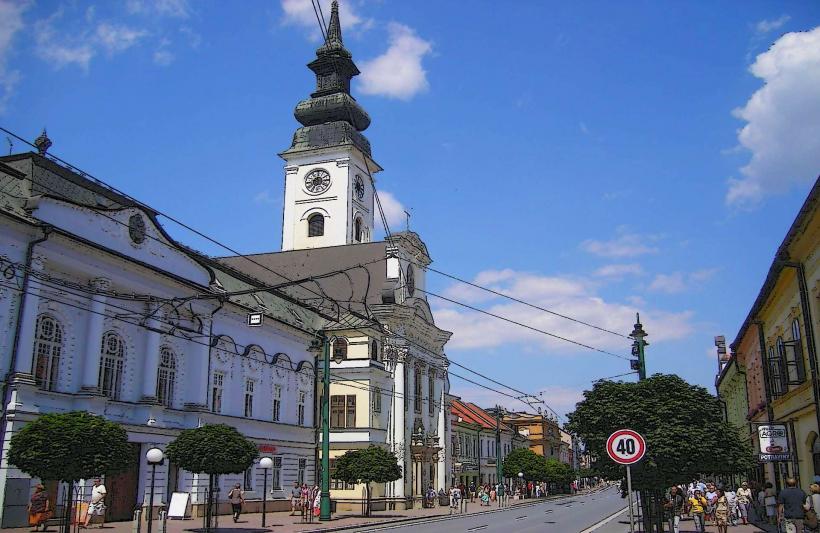
Cathedral of St. John the Baptist – 0.1km South
St. Nicholas Cathedral – 0.15km North
Old Town Hall (Museum of Wines) – 0.15km North
Neptune Fountain – 0.25km North
Caraffa’s Prison – 0.2km Northeast