Information
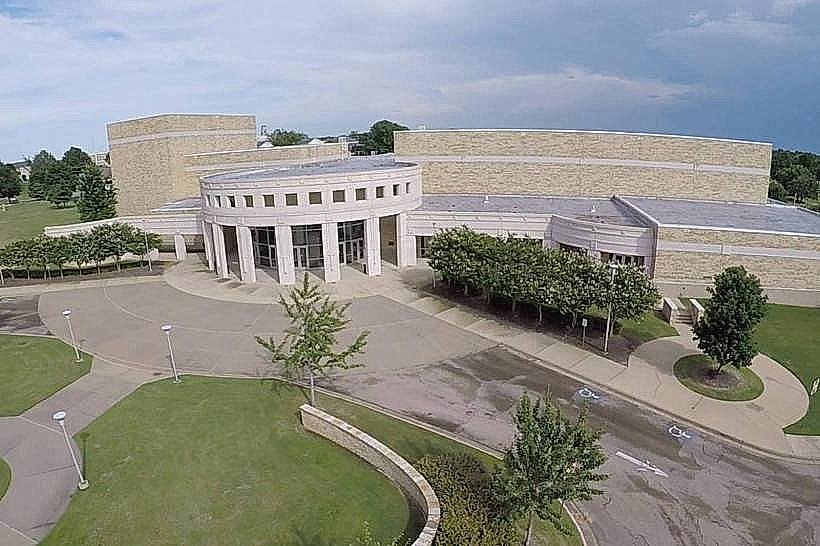
Landmark: Arkansas State University MuseumCity: Jonesboro
Country: USA Arkansas
Continent: North America
Arkansas State University Museum, Jonesboro, USA Arkansas, North America
The Nashua Rail Trail is a multi-use recreational path located in Nashua, New Hampshire. It follows a former railway corridor.
Visual Characteristics
The trail is primarily paved asphalt, measuring approximately 4.5 miles in length and 10 feet in width. It is bordered by trees and vegetation, with occasional open fields. The path is generally flat with a gradual incline in some sections.
Location & Access Logistics
The Nashua Rail Trail begins at the Nashua Riverfront Park, located at 100 East Hollis Street, Nashua, NH 03060. This is approximately 1 mile east of downtown Nashua. Parking is available at Nashua Riverfront Park and at designated access points along the trail, including the Elm Street Middle School parking lot (100 Elm Street) and the South Nashua Trailhead (near 1000 West Hollis Street). Public transport options are limited; the closest bus stops are several blocks from the main access points.
Historical & Ecological Origin
The trail is built on the former alignment of the Nashua and Rochester Railroad, which was established in the mid-19th century. The railroad line was eventually abandoned, and the corridor was repurposed for recreational use, with the trail officially opening in phases starting in the early 2000s. The surrounding environment is a mix of deciduous forest and riparian zones along the Nashua River.
Key Highlights & Activities
Activities include walking, jogging, cycling, and rollerblading. The trail provides access to the Nashua River for fishing in designated areas. Birdwatching is possible due to the varied habitat.
Infrastructure & Amenities
Restrooms are available at Nashua Riverfront Park. Benches are located at intervals along the trail. Shade is provided by trees. Cell phone signal (4G/5G) is generally available. No food vendors are directly on the trail; amenities are located in nearby commercial areas.
Best Time to Visit
The trail is accessible year-round. For optimal lighting for photography, early morning or late afternoon offers softer light. Spring and fall provide pleasant temperatures for outdoor activities. Snowfall can impact accessibility for cycling and rollerblading in winter.
Facts & Legends
A specific point of interest is the former railroad bridge crossing the Nashua River, which offers views of the waterway. Local historical accounts mention the importance of the railroad in the industrial development of Nashua.
Nearby Landmarks
- Nashua Riverfront Park (0.1km West)
- Mine Falls Park (1.5km West)
- Downtown Nashua (1.0km West)
- Anheuser-Busch Brewery (2.5km North)
- Daniel Webster College (now closed, 3.0km Southwest)