Information
Landmark: Ascension CathedralCity: Satu Mare
Country: Romania
Continent: Europe
Ascension Cathedral, Satu Mare, Romania, Europe
The Ascension Cathedral (Catedrala Romano-Catolică Înălțarea Domnului) is the seat of the Roman Catholic Diocese of Satu Mare and a primary architectural landmark of the city.
Visual Characteristics
The cathedral is a monumental Neoclassical structure.
Facade: Characterized by a massive portico supported by six Corinthian columns and flanked by two symmetrical towers.
Dome: A large central dome dominates the skyline, providing significant internal height and volume.
Interior: Richly decorated with frescoes, marble altars, and intricate gilded woodwork. The main altar features a painting of the "Ascension of the Lord," the cathedral's namesake.
Location & Access Logistics
Address: Piața Libertății 24, Satu Mare.
Public Transport: Located on the eastern side of the central square; all major city bus lines stop within 0.1 km at "Piața Libertății."
Access: Open to the public during religious services and designated visiting hours. Entry for prayer is free; respectful attire is required.
Parking: Paid street parking is available along the perimeter of Piața Libertății.
Historical & Ecological Origin
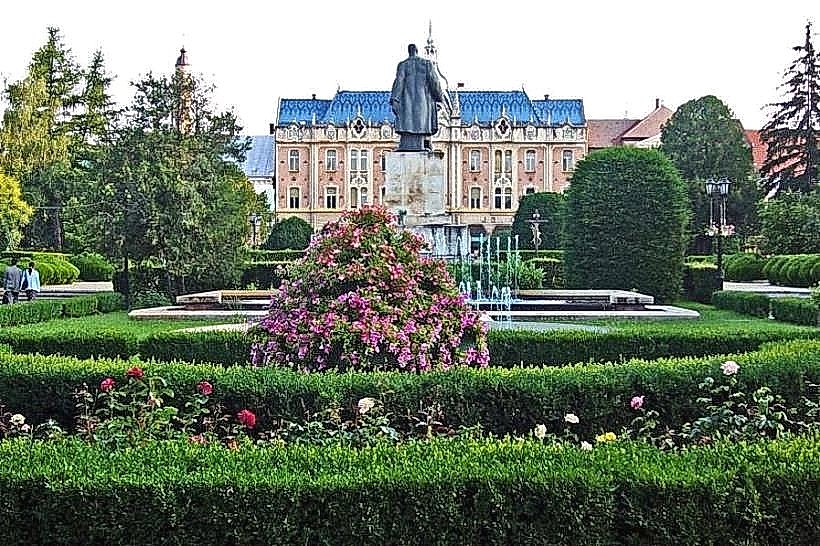
Constructed between 1830 and 1837, the cathedral was built on the site of an earlier Baroque church. The design is attributed to architect József Hild, a prominent figure in Hungarian Neoclassicism. It was commissioned by Bishop János Hám, whose statue stands in the adjacent park. The building has survived multiple conflicts and urban redevelopments, serving as a stable anchor for the historical city center.
Key Highlights & Activities
The Organ: A historic 19th-century instrument frequently utilized for public recitals.
Crypt: Contains the tombs of several bishops of the Satu Mare Diocese.
Stained Glass: Original windows that diffuse natural light to highlight the interior decorative painting.
Liturgical Services: Conducted in Romanian, Hungarian, and German, reflecting the city's multi-ethnic heritage.
Infrastructure & Amenities
The cathedral is located within a landscaped area featuring paved walkways and benches. 5G cellular coverage is excellent. Information plaques in multiple languages are positioned near the main entrance. Public restrooms and cafes are located in the surrounding square.
Best Time to Visit
The exterior is best photographed in the morning when sunlight illuminates the main portico and towers. The interior is most atmospheric during choral performances or festive religious services (Christmas, Easter).
Facts & Legends
A local historical fact is that the cathedral's acoustics are considered some of the best in Northern Romania, specifically due to the geometry of the central dome. Legend holds that during the construction, the foundation had to be reinforced with massive oak beams to account for the marshy soil near the Someș River.
Nearby Landmarks
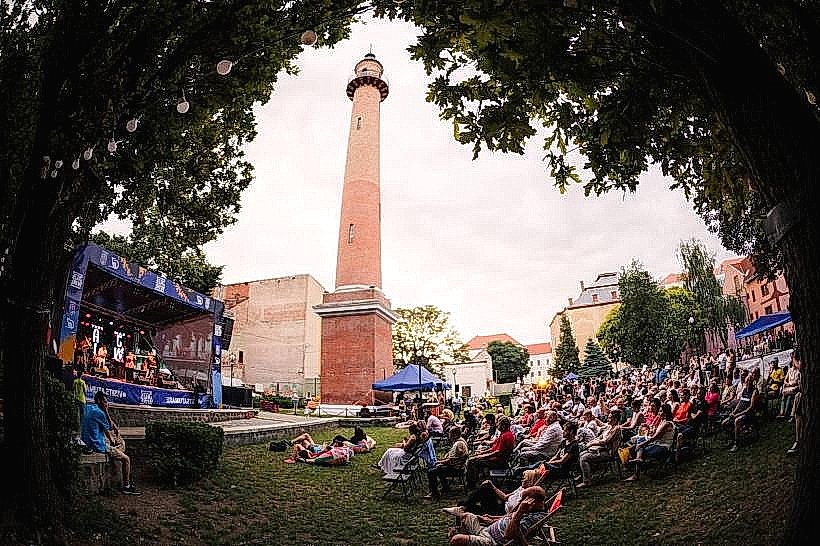
Firemen’s Tower: 0.3 km North.
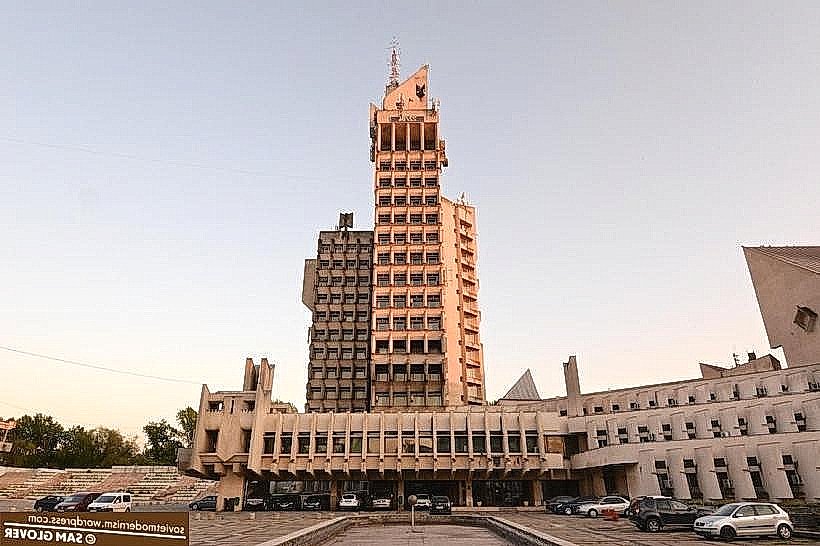
Dacia Hotel (Old Town Hall): 0.1 km West.
Administrative Palace: 0.4 km Northwest.
Vécsey House (Museum of Art): 0.2 km South.