Information
Landmark: Central ParkCity: Satu Mare
Country: Romania
Continent: Europe
Central Park, Satu Mare, Romania, Europe
Central Park (Grădina Romei) is the primary historical green space of Satu Mare, functioning as the city's central ecological and recreational anchor.
Visual Characteristics
The park is designed in a landscape garden style, featuring winding gravel and paved paths, mature deciduous trees, and wide lawns. Its layout is centered around an ornamental fountain and a series of historical monuments. The vegetation includes centennial oaks and decorative shrubs that provide significant shade and a distinct microclimate compared to the surrounding urban density.
Location & Access Logistics
Address: Strada Alexandru Ioan Cuza, Satu Mare.
Public Transport: Accessible via central bus lines stopping at "Piața Libertății" (0.3 km south) or near the "Gara" (Train Station) area.
Parking: Street parking is available along Strada Alexandru Ioan Cuza and Strada Mihai Viteazul.
Access: Open 24/7 with no entry fee.
Historical & Ecological Origin
Established in the late 19th century, the park was part of a larger European trend of creating "urban lungs" in industrializing cities. It was designed to provide a transition zone between the commercial city center and the residential districts to the north. Ecologically, it serves as a critical habitat for local bird species and a temperature regulator for the central district.
Key Highlights & Activities
Historical Monuments: Contains busts of cultural and political figures relevant to the city's development.
Children's Playground: A modern, safe facility located in the northern sector of the park.
Recreational Paths: Frequently used for walking, jogging, and cycling.
Public Events: The park hosts small-scale outdoor exhibitions and local community gatherings.
Infrastructure & Amenities
The park features a comprehensive network of benches, traditional-style street lighting, and 5G cellular coverage. Public restrooms are located near the southern entrance. The pathways are maintained for year-round accessibility.
Best Time to Visit
The park is most utilized during summer afternoons due to its cooling canopy. It is also a preferred location in autumn for the color change of its mature tree collection.
Facts & Legends
Local history suggests that the park's design was inspired by the public gardens of Vienna, reflecting the city's Austro-Hungarian administrative ties. A recurring local story claims the park was built over a site that once held a medieval military encampment, though contemporary archaeological evidence primarily links it to 19th-century urban planning.
Nearby Landmarks
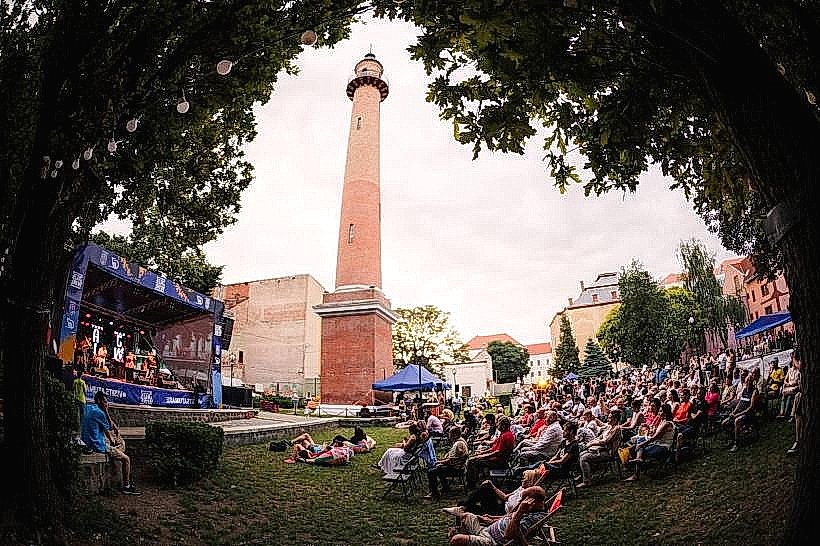
Firemen’s Tower: 0.4 km South.
Satu Mare Train Station: 0.6 km East.
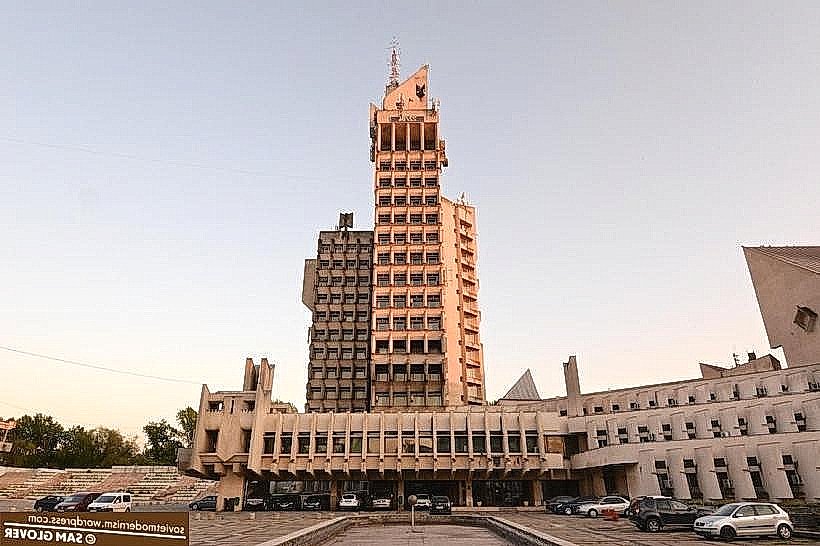
Administrative Palace: 0.5 km Southwest.
Dacia Hotel: 0.4 km South.