Information
Landmark: Assos VillageCity: Kefalonia
Country: Greece
Continent: Europe
Assos Village, Kefalonia, Greece, Europe
Assos is a traditional village located on the northwest coast of Kefalonia, situated on a narrow isthmus connecting the main island to a rugged peninsula. It is considered one of the most picturesque settlements in the Ionian Islands due to its preserved architecture and dramatic topography.
Visual Characteristics
The village is defined by its pastel-colored Venetian-style houses, lush vegetation including pine and cypress trees, and a small, horseshoe-shaped harbor. The dominant feature is the massive 16th-century Venetian Castle that sits atop the hill overlooking the settlement. The water in the bay is typically calm and transparent, reflecting the surrounding greenery.
Location & Access Logistics
Assos is located approximately 36 kilometers north of Argostoli and 12 kilometers north of Myrtos Beach. Access is via a steep, winding road that descends from the main coastal highway. The village center is largely pedestrianized; visitors must park in the designated municipal lots at the entrance of the village. There is no direct public bus service; access is primarily via private vehicle, taxi, or organized tour.
Historical Origin
The village was established during the Venetian occupation, and the castle was built in the 1590s to protect the local population from pirate raids and Ottoman incursions. For centuries, it served as the administrative capital of northern Kefalonia. Unlike many other parts of the island, Assos retained much of its original architectural character following the devastating 1953 Ionian earthquake, though significant restoration was required.
Key Highlights & Activities
Hiking to the Assos Castle is the primary activity; the 2-kilometer uphill walk follows a paved path through olive groves and offers panoramic views of the Ionian Sea. The small pebble beach in the harbor is suitable for swimming. The central square, dedicated to the Parisians for their aid after the 1953 earthquake, is lined with traditional tavernas and cafes.
Infrastructure & Amenities
Assos is a quiet settlement with a limited number of boutiques, small grocery stores, and waterfront restaurants. There are no large hotels; accommodation consists of high-end villas and boutique apartments. 4G and 5G mobile signals are strong. Public restrooms are available near the central square. The terrain involves significant inclines, making parts of the village and the castle path difficult for mobility-impaired visitors.
Best Time to Visit
The village is best experienced in the late afternoon when the day-trip crowds disperse and the sun illuminates the pastel facades. For photography, the viewpoints along the descent road provide the most iconic angles. During the peak months of July and August, parking becomes extremely limited after 11:00.
Facts & Legends
The castle once housed a prison that remained in use until the mid-20th century; the ruins of the prison cells are still visible within the castle walls. A local historical detail is the "French connection"-much of the village's reconstruction after 1953 was funded by the city of Paris, leading to the naming of the main square "Place de Paris."
Nearby Landmarks
Assos Castle: 2.0km West (via hiking path)
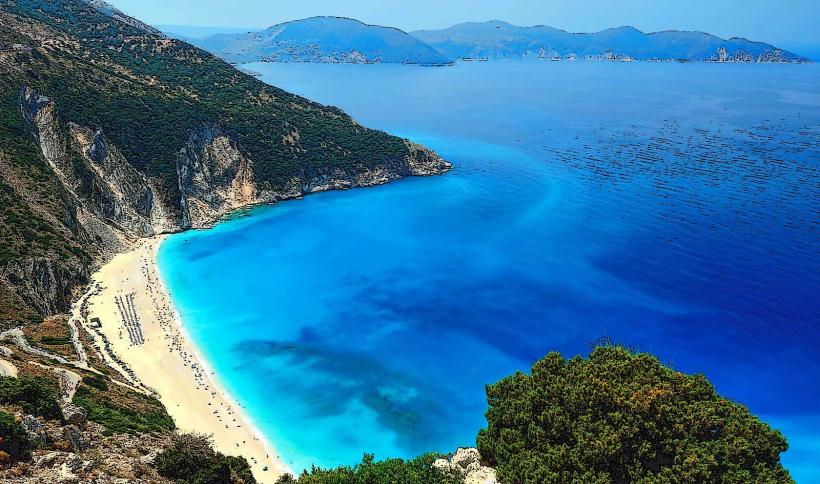
Myrtos Beach: 12km South
Fiskardo: 20km North
Agia Efimia: 24km Southeast
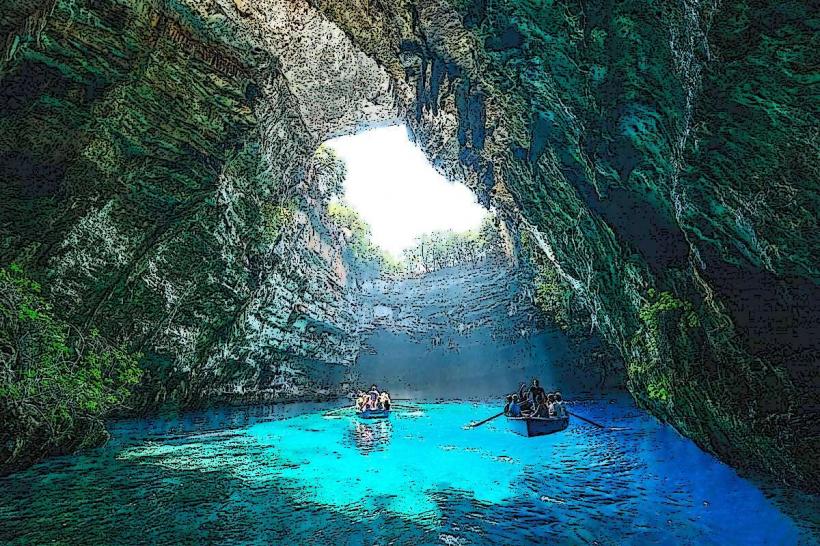
Melissani Cave: 28km Southeast