Information
Landmark: Bagrati CathedralCity: Kutaisi
Country: Georgia
Continent: Asia
Bagrati Cathedral, Kutaisi, Georgia, Asia
Bagrati Cathedral is a 11th-century Orthodox cathedral located in Kutaisi, Georgia.
It is a significant example of medieval Georgian architecture and a UNESCO World Heritage Site.
Visual Characteristics
The cathedral is constructed primarily from dressed stone, with a golden-hued sandstone dominating its exterior. It features a cruciform plan with a central dome supported by four pillars. The exterior walls are adorned with intricate carvings and relief sculptures. The dome is octagonal and capped with a conical roof. The current reconstruction includes modern elements alongside the original stone work.
Location & Access Logistics
Bagrati Cathedral is situated on Ukimerioni Hill in Kutaisi, approximately 1km North of the city center. Access is via paved roads leading directly to the cathedral. Parking is available on-site. Public transport options include local buses that stop near the base of the hill, requiring a short uphill walk. Taxis are readily available in Kutaisi and can drive directly to the cathedral entrance.
Historical & Ecological Origin
Construction of Bagrati Cathedral began in the early 11th century, commissioned by King Bagrat III of Georgia. It was completed in 1003. The cathedral served as a major religious and political center for centuries. It was significantly damaged by Ottoman and Persian invasions and later by an earthquake in 1994. It underwent extensive restoration from 2010 to 2012.
Key Highlights & Activities
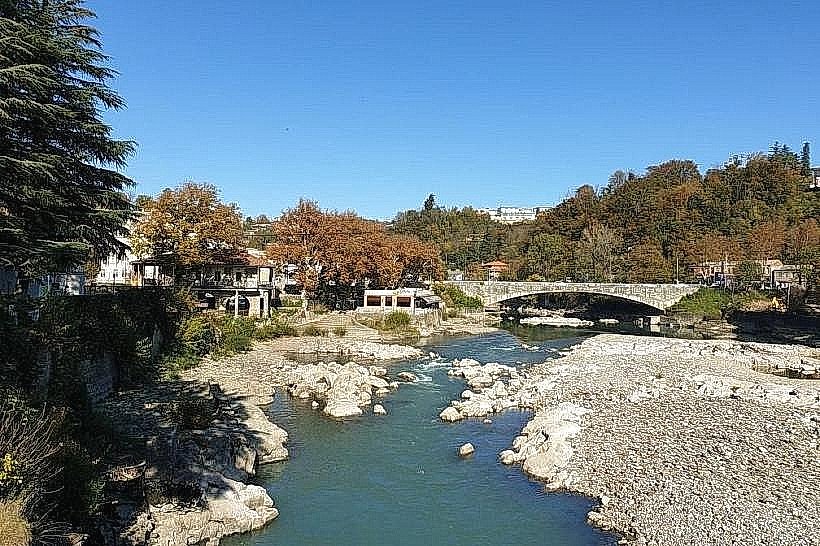
Visitors can explore the main sanctuary and admire the architectural details. The site offers panoramic views of Kutaisi and the surrounding Rioni River valley. Photography is permitted within the cathedral grounds. Information panels detailing the history and restoration process are available.
Infrastructure & Amenities
Restrooms are available on the premises. Limited shade is provided by the cathedral structure itself. Cell phone signal (4G/5G) is generally good in this elevated location. There are no on-site food vendors, but numerous cafes and restaurants are located in the city center, a short distance downhill.
Best Time to Visit
The best time of day for photography is late afternoon, when the sandstone exterior is illuminated by the setting sun. The most favorable months for visiting are from May to October, offering mild weather. No specific tide requirements are applicable.
Facts & Legends
A notable historical oddity is the extensive reconstruction effort, which aimed to preserve the original architectural integrity while incorporating modern safety standards. During the 17th century, the cathedral's bell tower was destroyed by an explosion, and the dome was severely damaged by an earthquake in 1994.
Nearby Landmarks
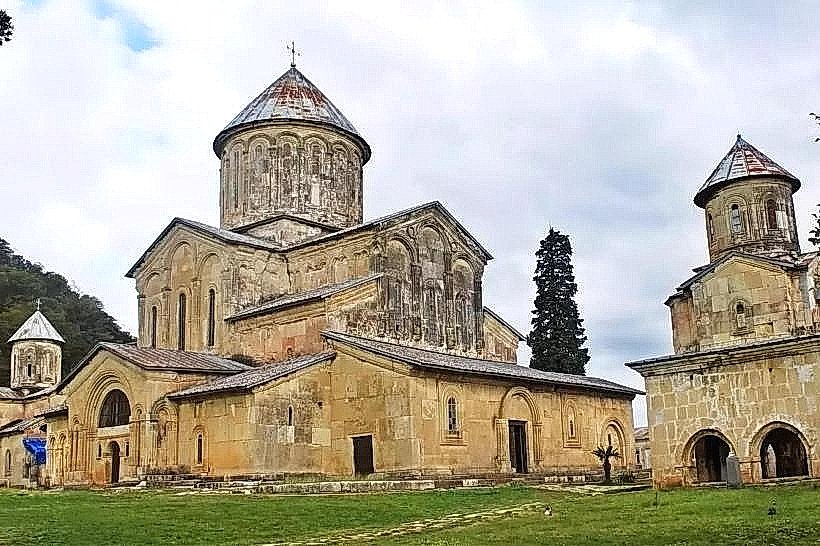
- Gelati Monastery (2.5km East)
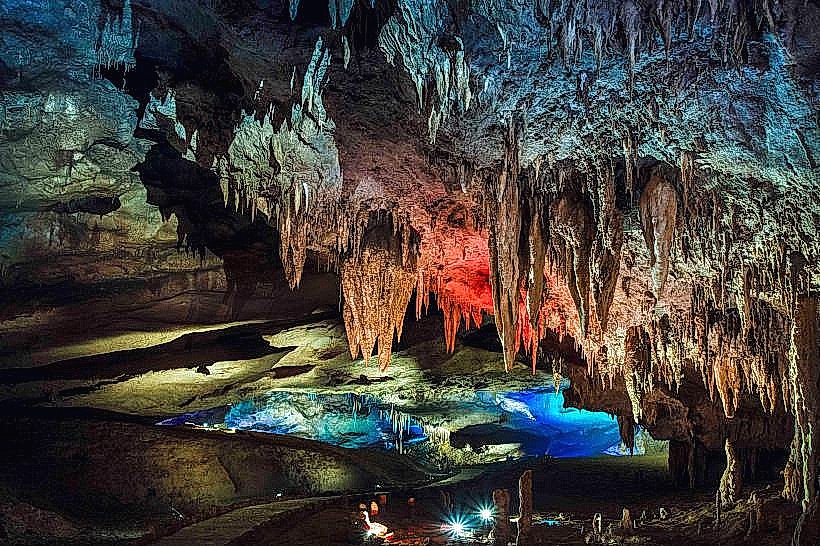
- Prometheus Cave (10km North-West)
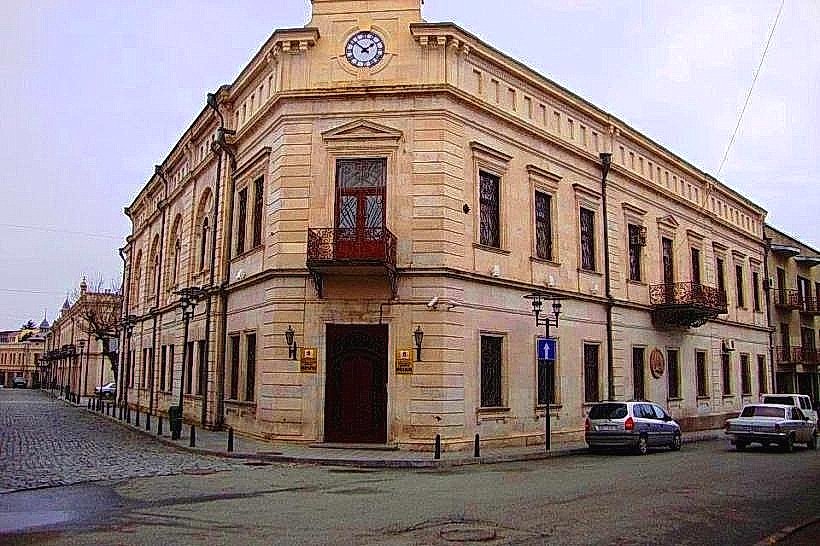
- Kutaisi State Historical Museum (1.2km South)
- Green Bazaar (1km South)