Information
Landmark: Barra Honda National ParkCity: Guanacaste
Country: Costa Rica
Continent: North America
Barra Honda National Park, Guanacaste, Costa Rica, North America
Barra Honda National Park is a protected area located in the Nicoya Peninsula of Guanacaste, Costa Rica. It is primarily known for its extensive system of limestone caves.
Visual Characteristics
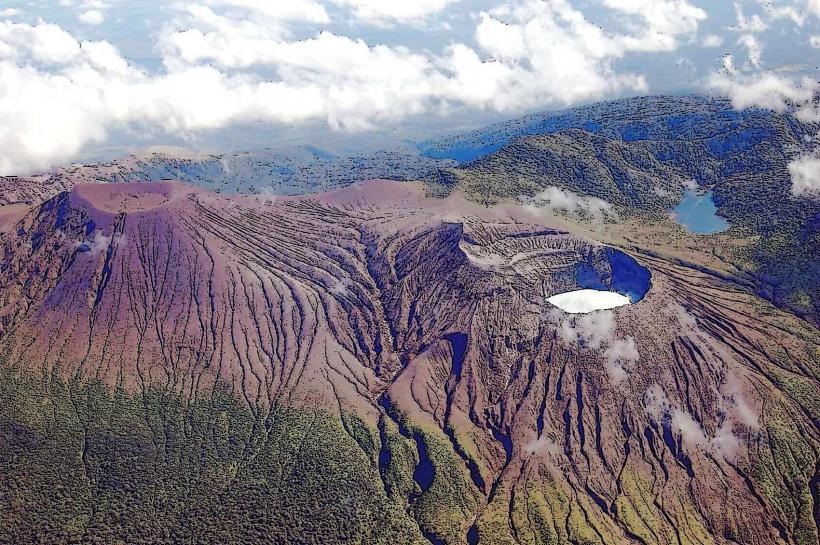
The park's surface topography consists of rolling hills and dry tropical forest. The dominant geological feature is limestone, which has been eroded over millennia to form numerous caves. Vegetation is characterized by deciduous trees, shrubs, and grasses adapted to seasonal dry conditions. Cave interiors vary in size and formation, featuring stalactites, stalagmites, and columns.
Location & Access Logistics
Barra Honda National Park is situated approximately 20 kilometers northwest of the city of Nicoya. Access is via Route 150, turning onto a well-maintained gravel road (Camino a Barra Honda) for approximately 5 kilometers. Parking is available at the park's ranger station. Public transport options are limited; the nearest bus service stops in Nicoya, requiring a taxi or private vehicle for the final leg.
Historical & Ecological Origin
The limestone formations in Barra Honda are the result of marine sedimentation from ancient coral reefs, uplifted over geological time. The park was established in 1978 to protect these unique geological features and the associated dry tropical forest ecosystem. The caves are believed to have been used by indigenous peoples historically.
Key Highlights & Activities
Exploration of the Terciopelo cave system is a primary activity, requiring a guided tour. Hiking trails are available, including the Palo Verde trail and the main trail leading to the cave entrances. Birdwatching is also a common activity within the forest areas.
Infrastructure & Amenities
Restrooms are available at the ranger station. Limited shade is provided by the forest canopy along trails. Cell phone signal is generally weak to non-existent within the park. No food vendors are located within the park boundaries; visitors should bring their own provisions.
Best Time to Visit
The dry season, from December to April, offers the most favorable conditions for visiting, with less rainfall and clearer trails. The best time of day for photography within the caves is during guided tours, as artificial lighting is provided. For surface trails, early morning or late afternoon provides softer light.
Facts & Legends
One of the park's most notable caves, Terciopelo, is named for the presence of venomous terciopelo snakes (Bothrops asper) in the surrounding area, though they are not typically found inside the caves themselves. A unique geological feature is the presence of underground rivers within some cave systems.
Nearby Landmarks
- Nicoya Historical Museum (18km Southeast)
- Curú Wildlife Refuge (25km Southwest)
- Playa Samara (30km Southwest)
- Ostional National Wildlife Refuge (40km Northwest)