Information
Landmark: Bemis Center for Contemporary ArtsCity: Omaha
Country: USA Nebraska
Continent: North America
Bemis Center for Contemporary Arts, Omaha, USA Nebraska, North America
The Bemis Center for Contemporary Arts is an artist residency program and contemporary art exhibition space located in Omaha, Nebraska, USA.
It occupies a former industrial building in the city's downtown district.
Visual Characteristics
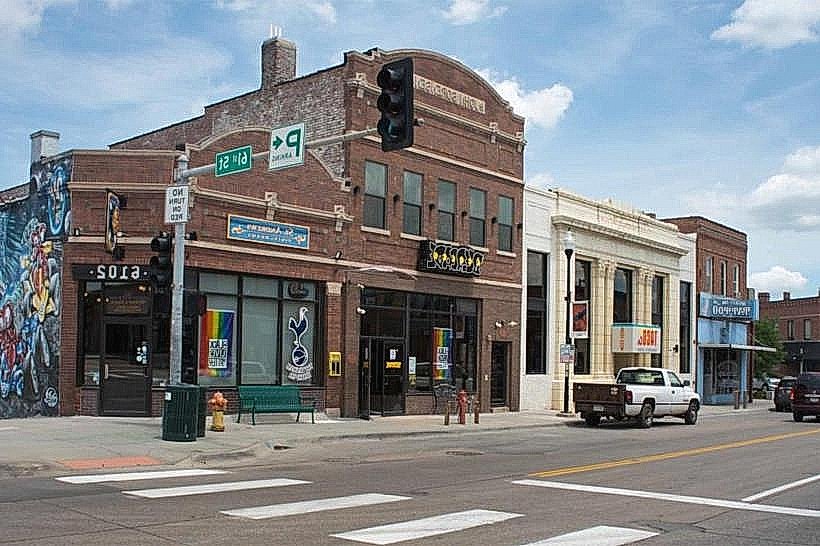
The building is a multi-story brick structure with large, industrial-style windows. The interior features raw concrete floors, exposed ductwork, and high ceilings, characteristic of its former use as a manufacturing facility. Exhibition spaces are adaptable, with movable walls and controlled lighting systems.
Location & Access Logistics
The Bemis Center is situated at 724 South 12th Street, Omaha, NE 68102. It is approximately 1.6 km (1 mile) south of the central business district. On-site parking is available in a dedicated lot adjacent to the building. Public transport options include Metro bus routes 1, 15, and 35, which stop within a 0.4 km (0.25 mile) radius of the center.
Historical & Ecological Origin
The building was originally constructed in 1918 as a manufacturing plant for the Bemis Bag Company. It was later acquired and renovated by the Bemis Center for Contemporary Arts, which was founded in 1981. The site is not of ecological origin.
Key Highlights & Activities
Visitors can view current exhibitions of contemporary art across multiple galleries. The center also hosts artist talks, workshops, and performances. Access to the artist residency studios is generally restricted, but occasional open studio events are scheduled.
Infrastructure & Amenities
Restrooms are available on-site. Limited seating is provided within exhibition areas. Cell phone signal (4G/5G) is generally strong within the building. No on-site food vendors are present, but several restaurants are located within a 0.8 km (0.5 mile) radius.
Best Time to Visit
Exhibition hours are typically Tuesday through Saturday, 10:00 AM to 5:00 PM. The best time for photography is during daylight hours when natural light enters through the large windows. Specific event times vary and are announced on the Bemis Center's official schedule.
Facts & Legends
The Bemis Center is one of the largest non-collecting contemporary art centers in the United States, providing studio space and support to over 30 artists annually through its residency program.
Nearby Landmarks
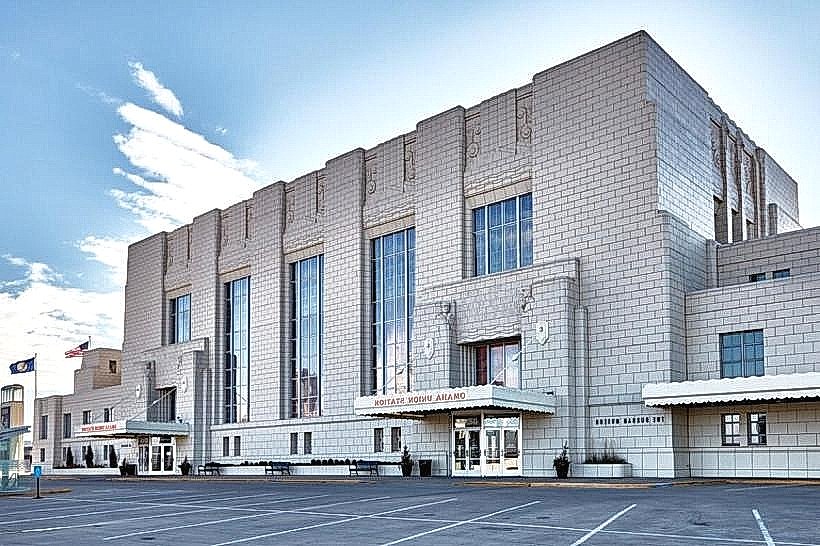
- The Durham Museum (0.8km North)
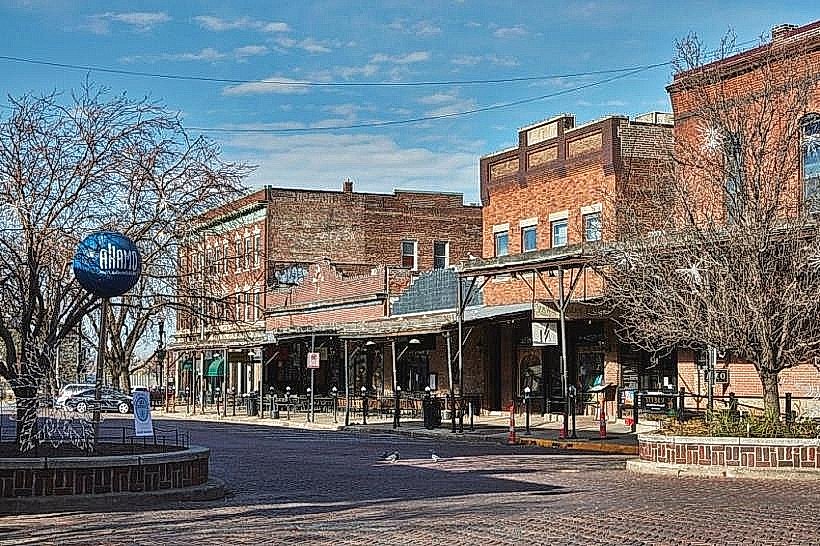
- Old Market (1.2km North)
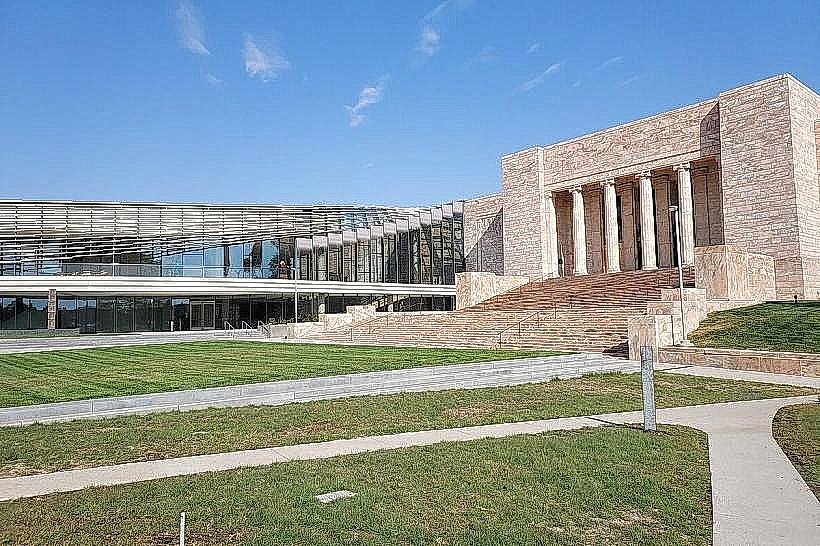
- Joslyn Art Museum (2.5km North)
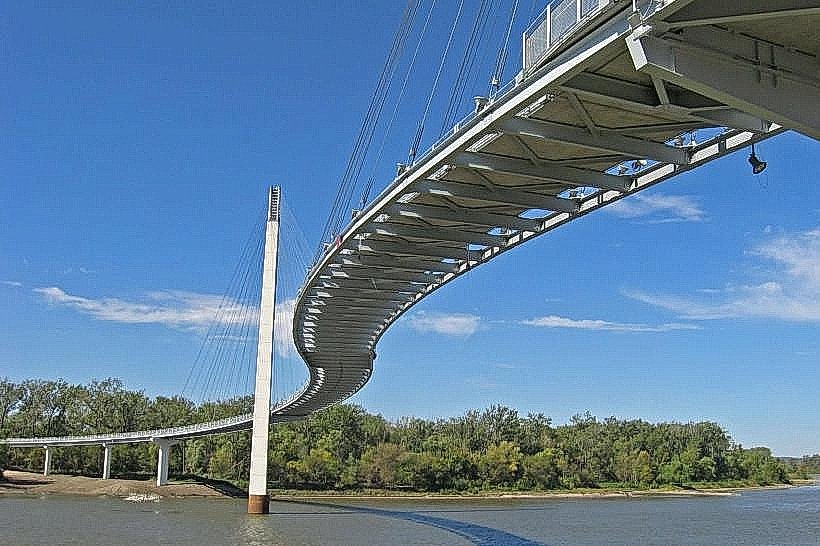
- Bob Kerrey Pedestrian Bridge (3.0km Northeast)