Information
Landmark: St. Cecilia CathedralCity: Omaha
Country: USA Nebraska
Continent: North America
St. Cecilia Cathedral, Omaha, USA Nebraska, North America
St. Cecilia Cathedral is a Roman Catholic cathedral located in Omaha, Nebraska, USA.
It is the seat of the Roman Catholic Archdiocese of Omaha.
Visual Characteristics
The cathedral is constructed primarily of limestone. Its dominant architectural style is French Gothic Revival. The structure features two prominent square towers, each topped with a copper-clad spire, reaching a height of approximately 200 feet. The exterior is characterized by pointed arches, ribbed vaults, and decorative tracery. The interior includes stained-glass windows depicting biblical scenes and a large pipe organ.
Location & Access Logistics
St. Cecilia Cathedral is situated at 36th Street and Dodge Street in Omaha, Nebraska. It is approximately 3 miles west of the downtown Omaha core. Public parking is available on-site, with designated visitor spaces. The cathedral is accessible via several Omaha Metro bus routes, including routes 15 and 24, which stop within a short walking distance on Dodge Street.
Historical & Ecological Origin
Construction of St. Cecilia Cathedral began in 1905 and was completed in 1959. The architect was Thomas R. Kimball. The original purpose was to serve as the principal church for the Roman Catholic Archdiocese of Omaha, replacing a smaller cathedral. The site itself is urban land, not of ecological origin.
Key Highlights & Activities
Visitors can attend daily Mass services. Self-guided tours of the cathedral's interior are permitted during non-service hours. The cathedral hosts occasional organ concerts and musical performances. Photography is allowed for personal use, but professional photography may require prior arrangement.
Infrastructure & Amenities
Restrooms are available within the cathedral complex. Limited shaded areas are present in the immediate vicinity of the building. Cell phone signal (4G/5G) is generally reliable in the area. No on-site food vendors are present, but dining options are available along nearby Dodge Street.
Best Time to Visit
For optimal interior lighting and fewer crowds, visiting during weekday mornings between 9:00 AM and 11:00 AM is recommended. The best months for weather in Omaha are typically May through October, offering milder temperatures for travel to the site.
Facts & Legends
The cathedral's construction spanned 54 years, making it one of the longest-completed cathedral projects in the United States. A specific architectural detail to note is the intricate carving of the facade, which includes over 100 unique gargoyles and grotesques.
Nearby Landmarks
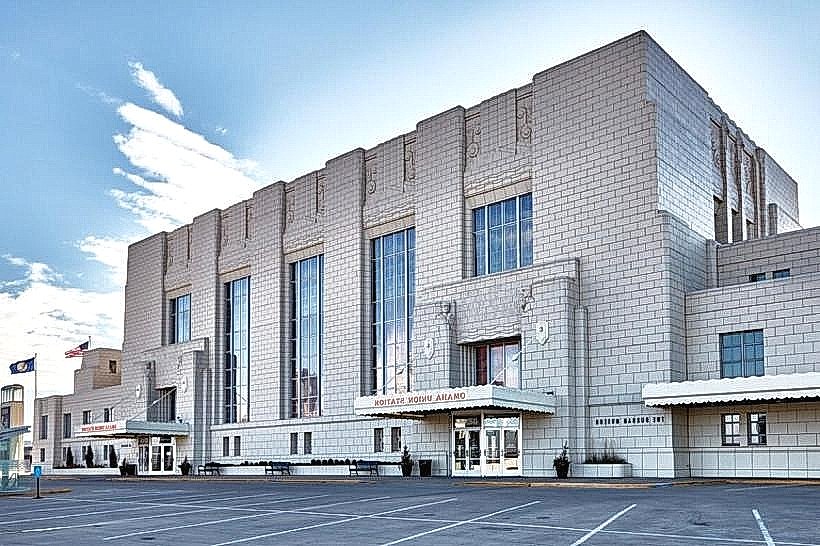
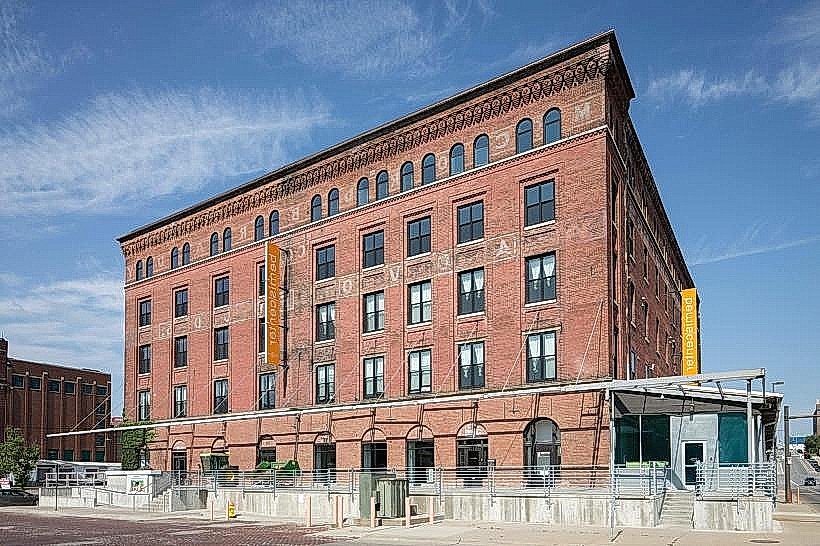
- The Durham Museum (1.5km East)
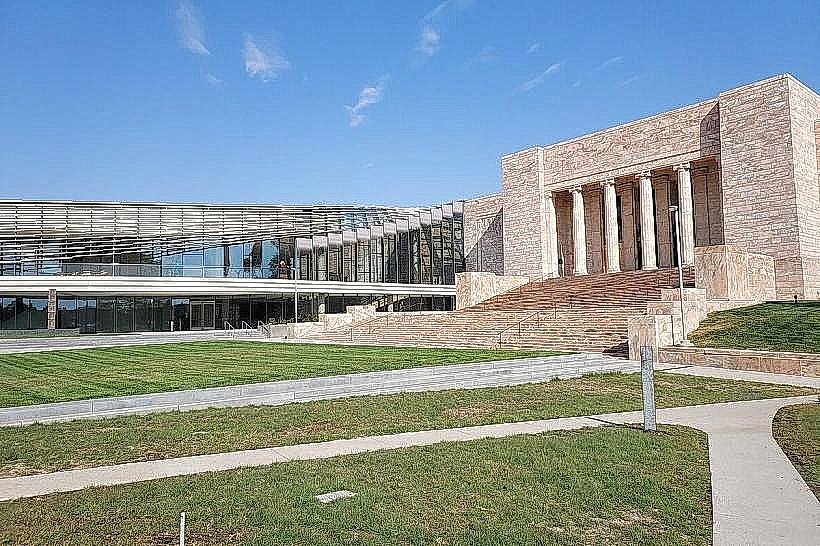
- Joslyn Art Museum (2.0km East)
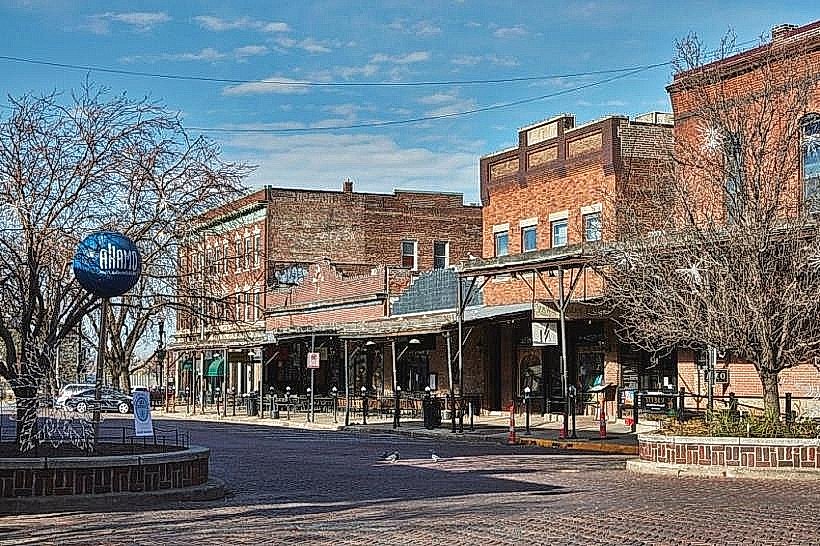
- Old Market (2.5km Southeast)
- Bob Kerrey Pedestrian Bridge (3.5km Southeast)
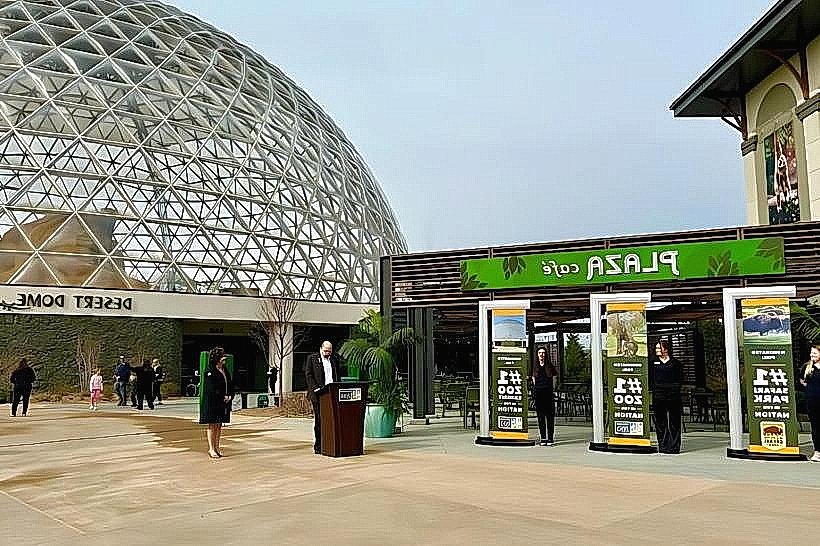
- Henry Doorly Zoo and Aquarium (4.0km Southwest)