Information
Landmark: Bicentennial ParkCity: Darwin
Country: Australia
Continent: Australia
Bicentennial Park, Darwin, Australia, Australia
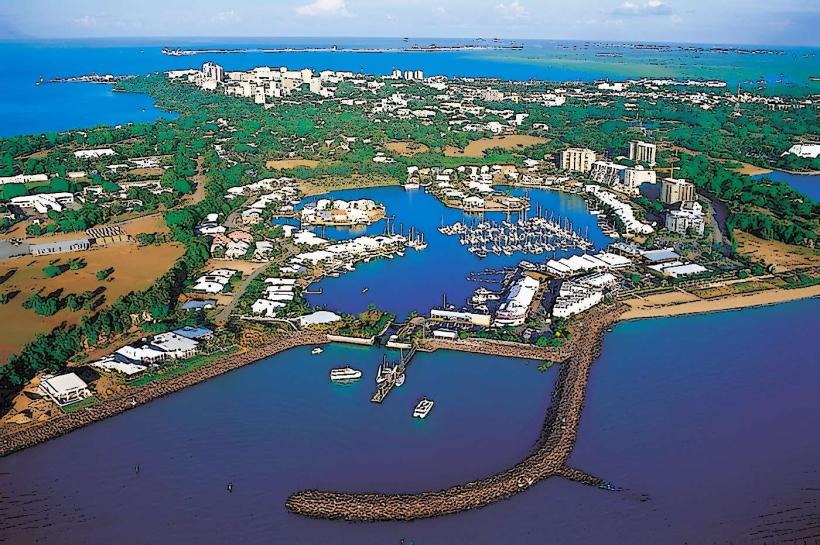
Bicentennial Park is a public recreational area situated in Darwin, Northern Territory, Australia.
It functions as a significant green space within the urban environment, offering diverse ecological zones and visitor facilities.
Visual Characteristics
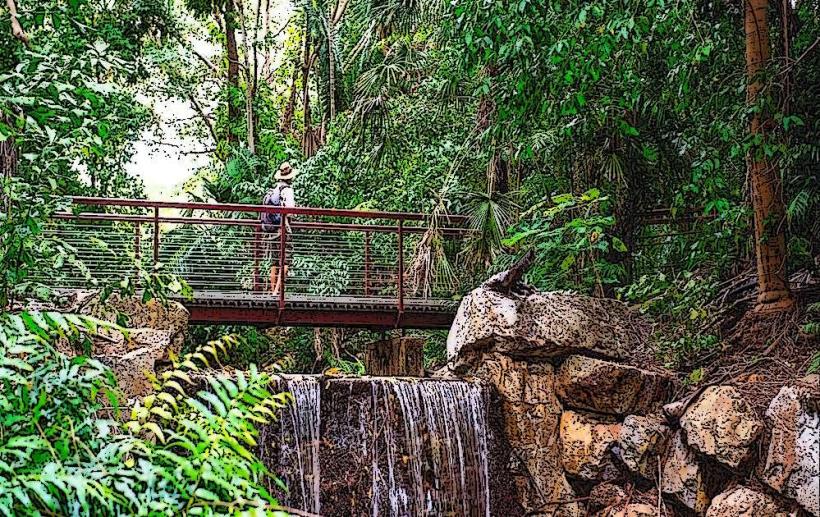
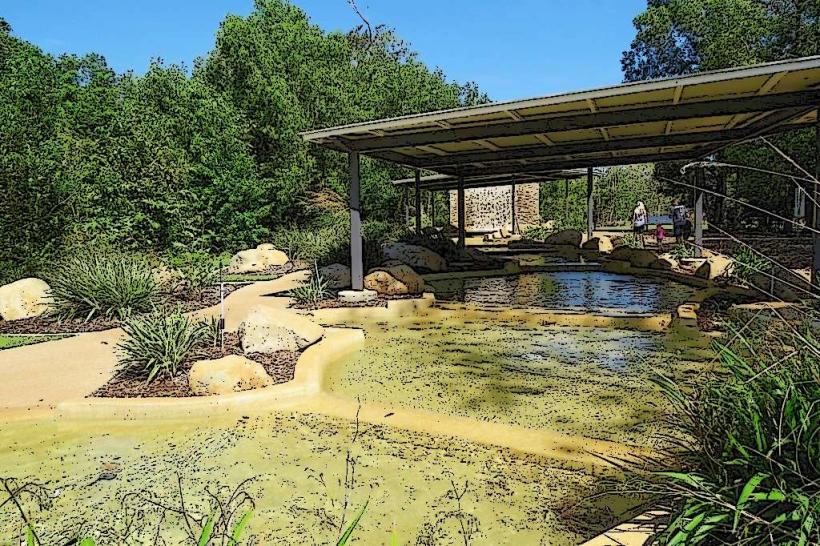
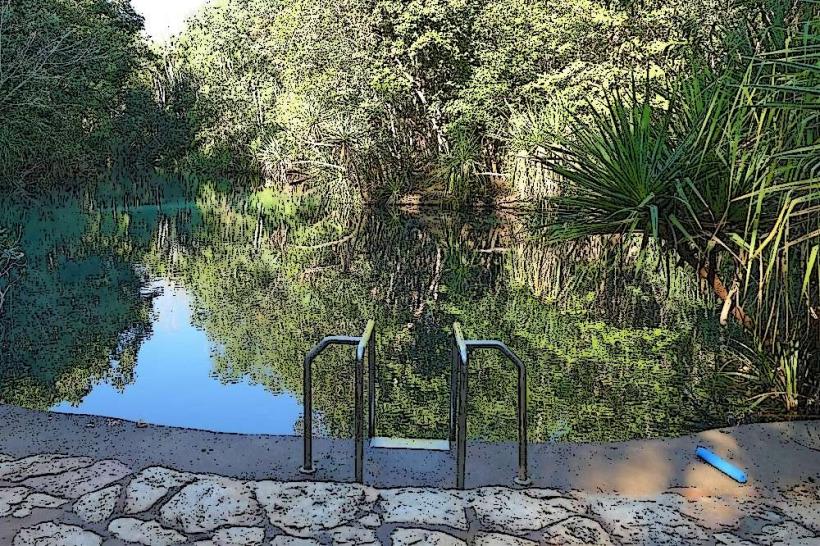
The park features a mix of manicured lawns, native Australian flora including eucalyptus and pandanus trees, and artificial wetlands. The wetlands are characterized by shallow, brackish water with visible aquatic vegetation. Walking paths are constructed from compacted gravel and paved sections. The park's topography is largely flat with gentle undulations.
Location & Access Logistics
Bicentennial Park is located approximately 3 kilometers south of Darwin's central business district. Access is primarily via Gilruth Avenue and Dick Ward Drive. Ample free parking is available in designated lots throughout the park. Public transport options include the Darwin bus routes 4, 8, and 10, which stop along Gilruth Avenue at intervals of approximately 30 minutes during peak hours.
Historical & Ecological Origin
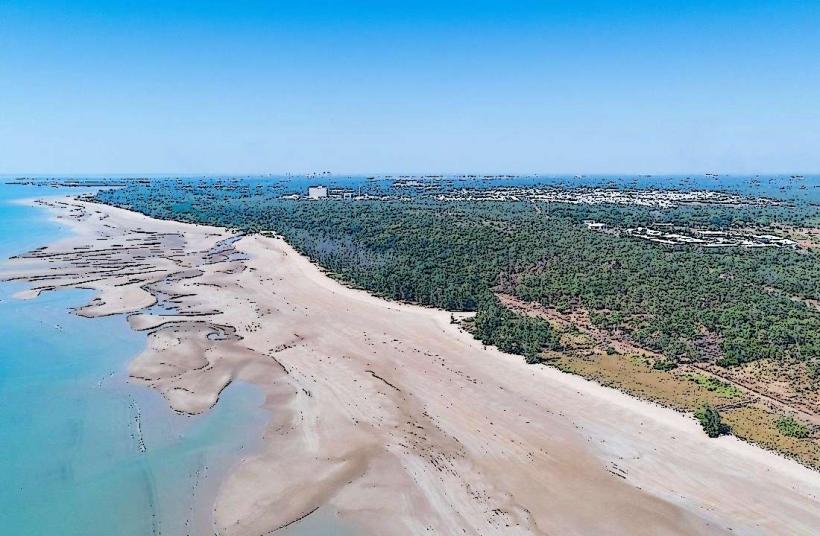
The park was established in 1988 to commemorate Australia's bicentennial. It was developed on reclaimed land and designed to integrate with the existing coastal environment. The wetlands are artificial, created to manage stormwater runoff and provide habitat for local bird species.
Key Highlights & Activities
Visitors can engage in walking and cycling on the network of paths. Birdwatching is a primary activity, particularly around the wetlands. The park contains several children's playgrounds and picnic areas with barbecue facilities. The Darwin Esplanade, adjacent to the park, offers further recreational opportunities.
Infrastructure & Amenities
Restrooms are located at multiple points within the park, including near the main parking areas and playgrounds. Shade is provided by mature trees and several covered picnic shelters. Cell phone signal (4G) is generally consistent throughout the park. Food vendors are not permanently stationed within the park, but are often present during public events or weekends along the Esplanade.
Best Time to Visit
The best time of day for photography is generally in the early morning or late afternoon due to softer light. The dry season, from May to October, offers the most pleasant weather with lower humidity and less rainfall. High tide can affect visibility in some of the shallower wetland areas.
Facts & Legends
A specific feature of the park is the "Flame Tree" (Brachychiton acerifolius), which produces striking red flowers during the dry season. Local anecdotal information suggests that the park's wetlands attract a wider variety of migratory birds during years with higher rainfall preceding the dry season.
Nearby Landmarks
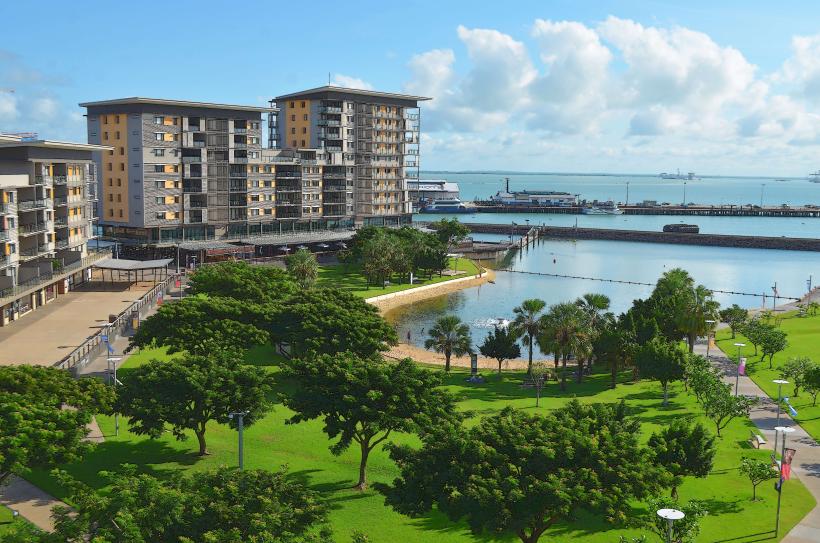
- Darwin Waterfront Precinct (1.5km North)
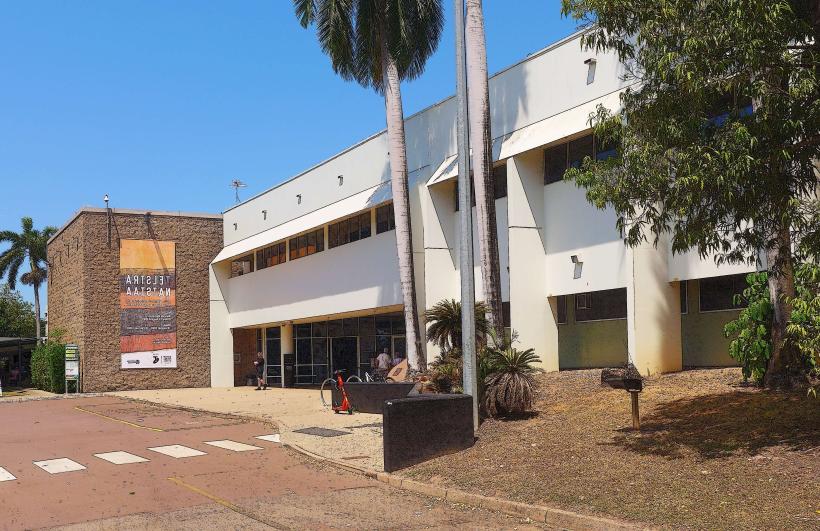
- Museum and Art Gallery of the Northern Territory (2.0km North)
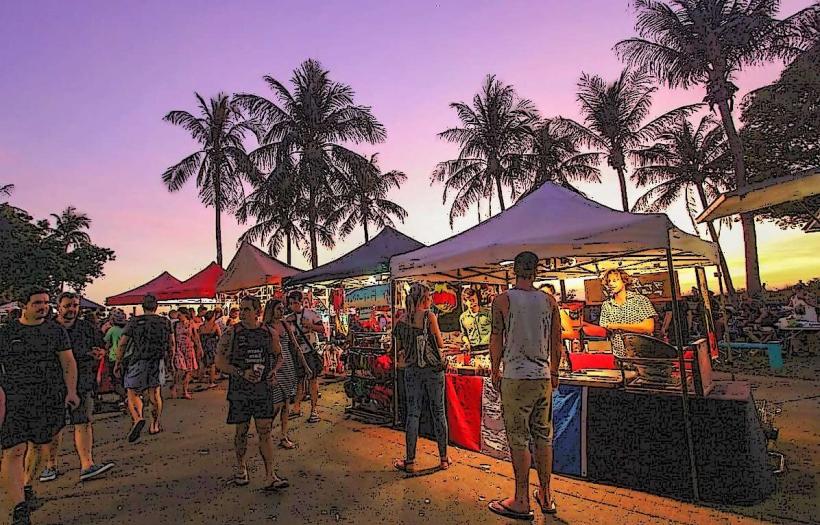
- Mindil Beach Sunset Market (2.5km North)
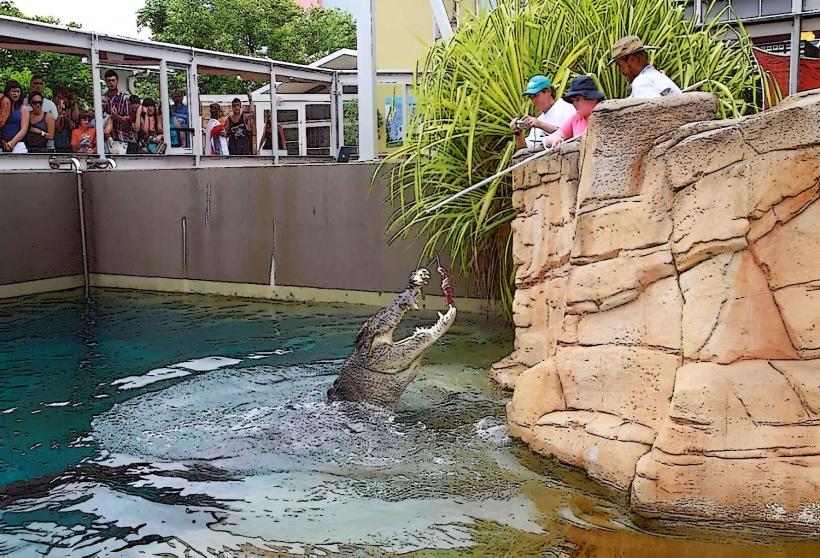
- Crocosaurus Cove (3.0km North)
- Fort Hill Wharf (3.5km North)