Information
Landmark: Howard Springs Nature ParkCity: Darwin
Country: Australia
Continent: Australia
Howard Springs Nature Park, Darwin, Australia, Australia
Howard Springs Nature Park is a protected area located approximately 25 kilometers southeast of Darwin, Northern Territory, Australia.
Visual Characteristics
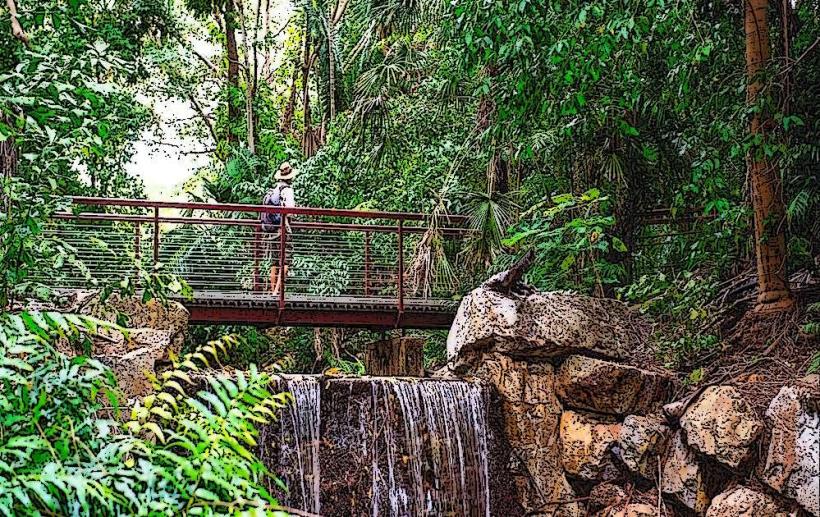
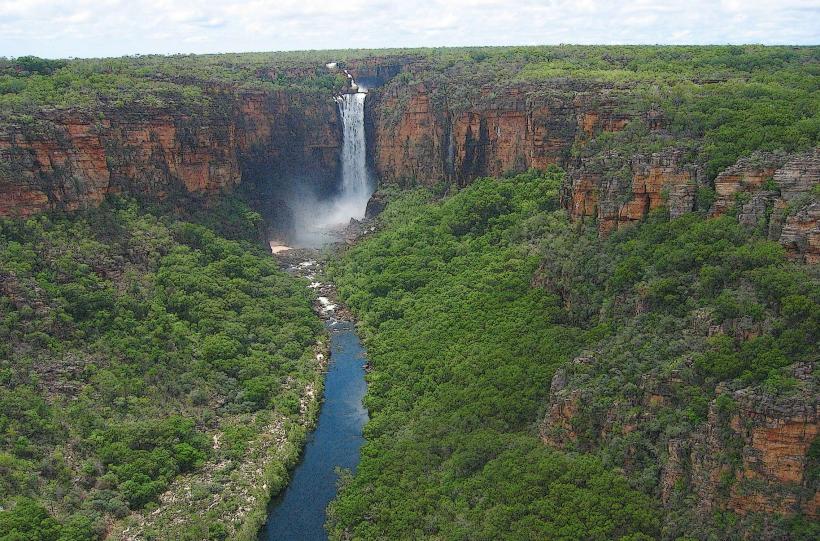
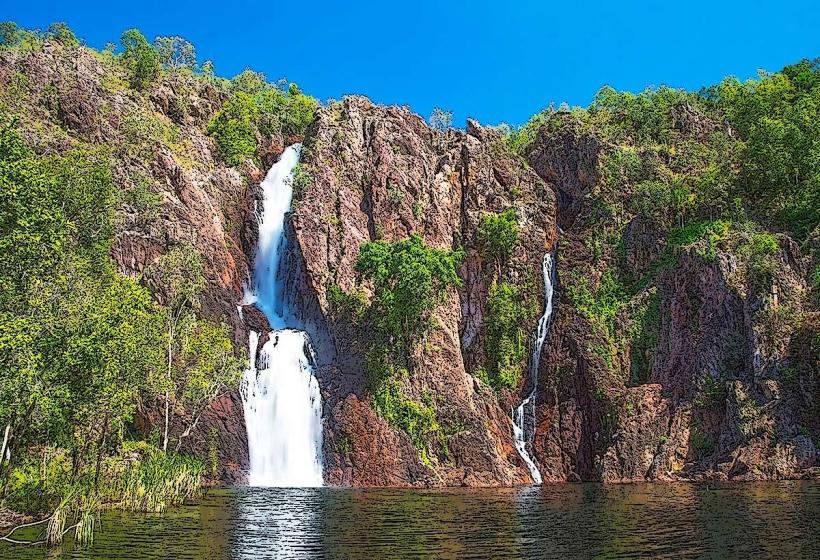
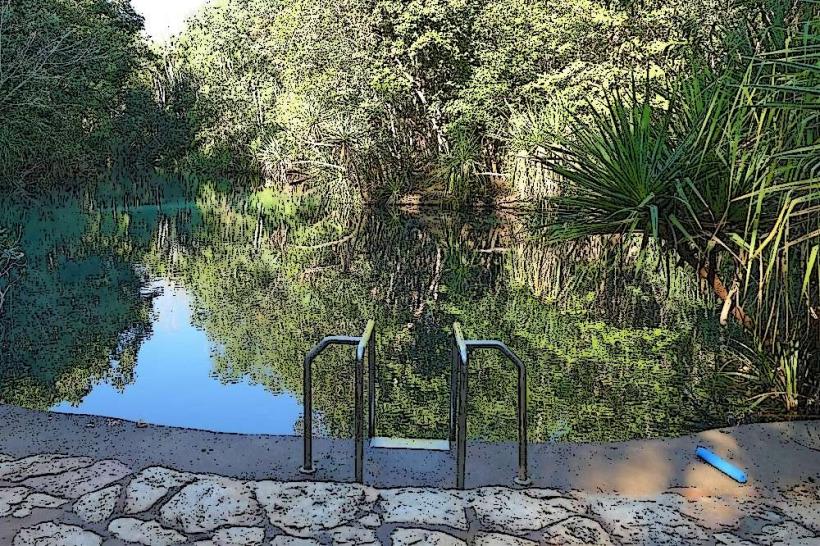
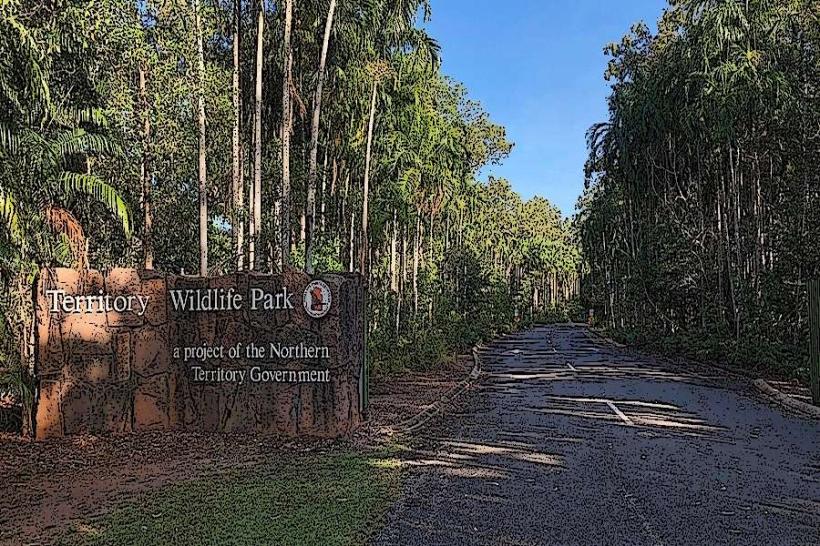
The park features a mix of monsoon forest and open woodland. Dominant tree species include paperbarks (Melaleuca spp.) and various eucalyptus varieties. The landscape is characterized by undulating terrain with seasonal creeks and billabongs. The water in the billabongs is typically dark due to tannins from decaying vegetation.
Location & Access Logistics
Access is via the Stuart Highway, turning onto the Arnhem Highway and then following signs for Howard Springs Road. The park is approximately 25 kilometers from Darwin's city center. Ample parking is available at designated areas within the park. Public transport options are limited; the nearest bus route stops several kilometers from the park entrance, requiring a significant walk or alternative transport.
Historical & Ecological Origin
Howard Springs Nature Park is a designated conservation reserve protecting a significant area of Top End savanna and monsoon forest ecosystems. The area has been subject to traditional land management practices for millennia. The park was established to preserve these ecological values and provide recreational opportunities.
Key Highlights & Activities
Activities include walking the designated trails, such as the 1.5km Nature Trail loop and the 3km Billabong Trail. Birdwatching is a primary activity due to the diverse avian population. Picnicking is permitted at designated sites. Swimming is not permitted in the billabongs due to water quality and potential presence of crocodiles.
Infrastructure & Amenities
Restrooms are available at the main picnic area. Shade is provided by natural tree cover and some picnic shelters. Cell phone signal (4G) is intermittent within the park. No food vendors are located within the park; visitors should bring their own supplies.
Best Time to Visit
The best time for visiting is during the dry season (May to October) when temperatures are milder and humidity is lower. Early morning and late afternoon offer optimal lighting conditions for photography and wildlife viewing. During the wet season (November to April), trails may be affected by rain and increased insect activity.
Facts & Legends
A specific point of interest is the "Old Man Rock," a large sandstone formation that resembles a face. Local indigenous lore associates this formation with ancient spirits. Visitors should be aware of the potential presence of saltwater crocodiles in waterways, particularly during the wet season, and adhere to all safety signage.
Nearby Landmarks
- Fogg Dam Conservation Reserve (15km Northeast)
- Window on the Wetlands Visitor Centre (10km East)
- Berry Springs Nature Park (12km Southeast)
- Howard East Park (3km South)