Information
Landmark: Bijeljina City ParkCity: Bijeljina
Country: Bosnia and Herzegovina
Continent: Europe
Bijeljina City Park, Bijeljina, Bosnia and Herzegovina, Europe
Bijeljina City Park (Gradski park) is the largest and oldest urban green space in the city of Bijeljina, located in the Semberija region of northeastern Bosnia and Herzegovina.
Visual Characteristics
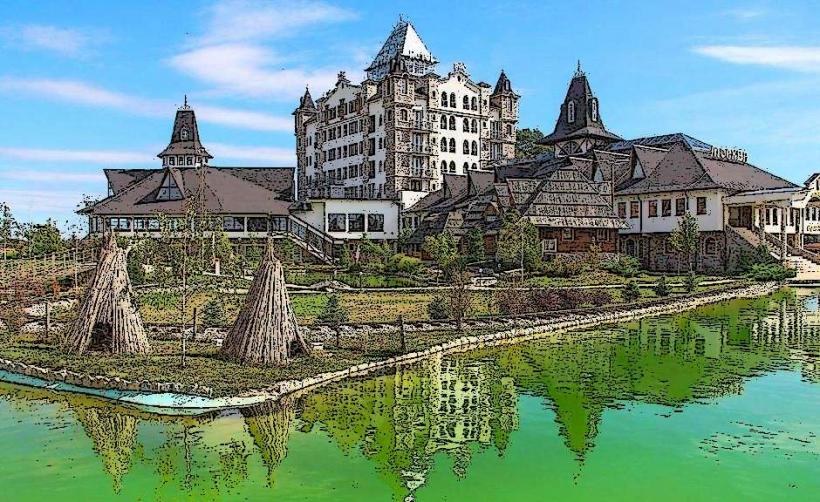
The park covers approximately 6 hectares of land, characterized by mature deciduous and coniferous trees, including centuries-old oaks and chestnuts. It features a geometric layout of wide gravel and paved walking paths that converge on a central roundabout. The park contains several monuments, a traditional wooden gazebo used for cultural events, and a modern children's playground.
Location & Access Logistics
The park is situated at the intersection of Ulica Patrijarha Pavla and Ulica Meše Selimovića, immediately adjacent to the city center and the Bijeljina Pedestrian Zone. It is accessible 24/7 with no entrance fee. Municipal parking lots are available along the perimeter streets. The central bus station is located approximately 1 kilometer to the northwest.
Historical & Ecological Origin
The park was established in 1891 during the Austro-Hungarian administration. It was designed by the municipal authorities of that era to transform a marshy area into a European-style public garden. Ecologically, it serves as a critical "green lung" for the city, providing a microclimate that is significantly cooler than the surrounding urban asphalt during the summer months.
Key Highlights & Activities
The Central Gazebo: A focal point for local musicians and artists, particularly during the "Sembersko ljeto" (Semberija Summer) festival.
Monuments: The park houses monuments dedicated to historical figures and local heroes, including a prominent memorial to King Peter I Karađorđević.
Recreation: The park is the primary venue for jogging, outdoor yoga, and family leisure in the city.
Nature Trails: The dense tree canopy provides nesting grounds for various bird species, making it a popular spot for urban birdwatching.
Infrastructure & Amenities
The park is equipped with modern LED lighting for nocturnal safety. It features numerous benches, waste bins, and a dedicated outdoor gym/fitness area. 4G and 5G cellular coverage is excellent. Public restrooms are located near the park entrance closest to the city library. Several cafes and bakeries are located directly across the street from the park boundaries.
Best Time to Visit
The park is most vibrant during the spring (April–May) when the chestnut trees are in bloom. It provides a necessary refuge during the peak of summer (July–August). In winter, the park is frequently used as a setting for festive lighting and holiday-themed stalls.
Facts & Legends
A historical oddity is that many of the original seedlings planted in 1891 were brought directly from Vienna to ensure the park matched the aesthetic of other Imperial cities. Local students traditionally gather in the park on the last day of school, a custom that has persisted for decades.
Nearby Landmarks
Atik Mosque (0.4km East)
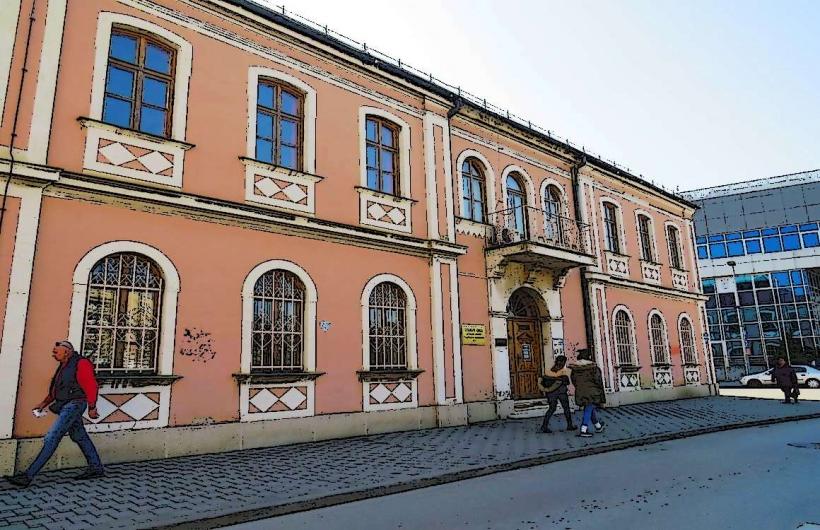
Museum of Semberija (0.3km North)
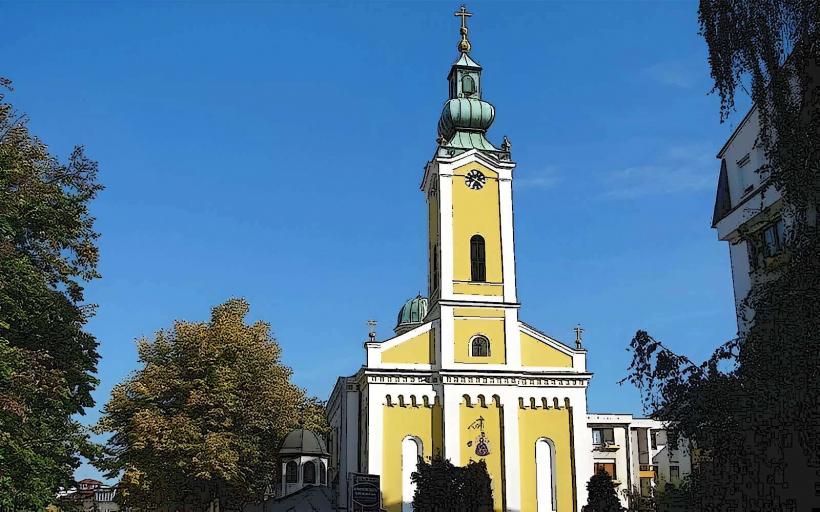
Church of St. George (0.5km North)
Filip Višnjić Library (0.2km North)
Ethno Village Stanišići (5.5km East)