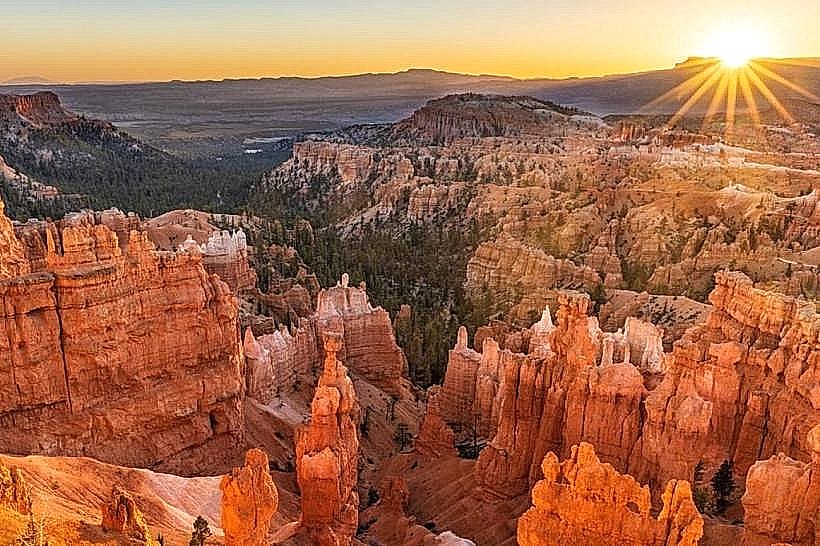
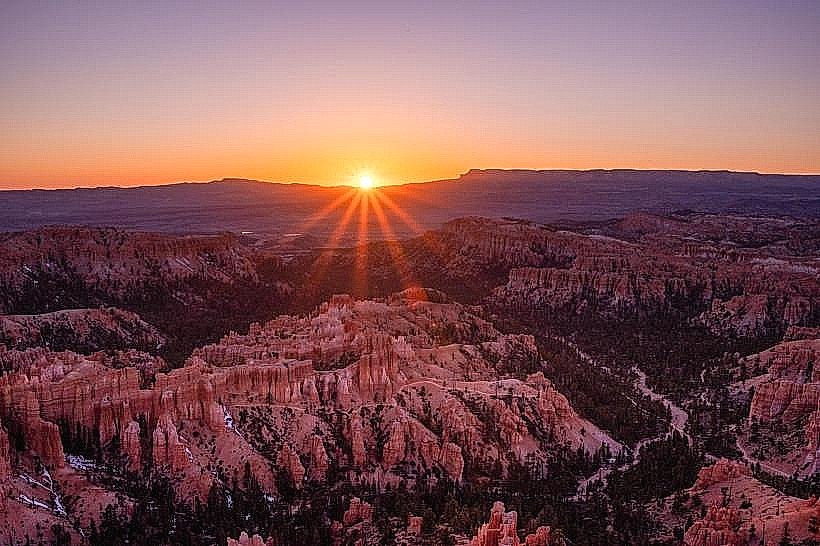
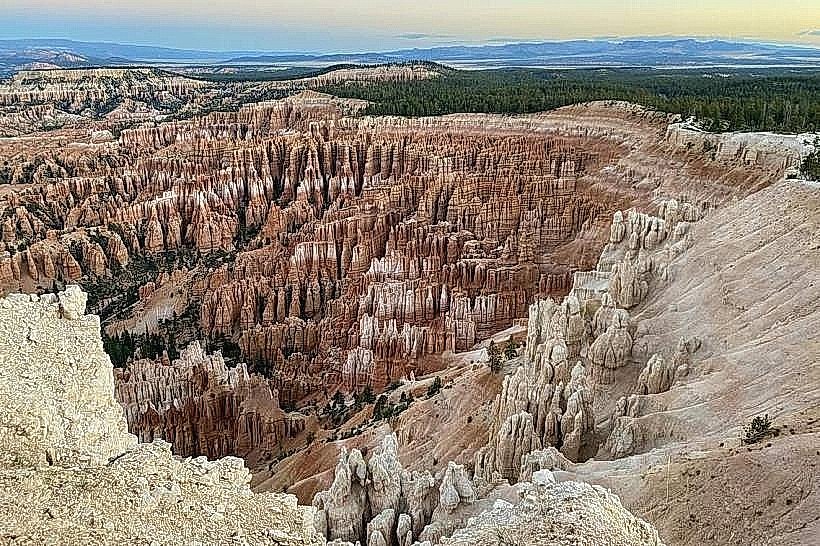
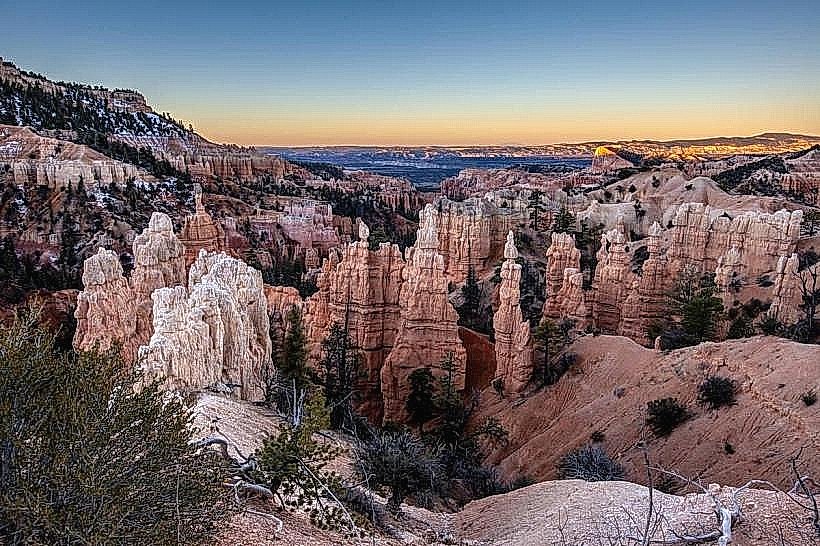
Information
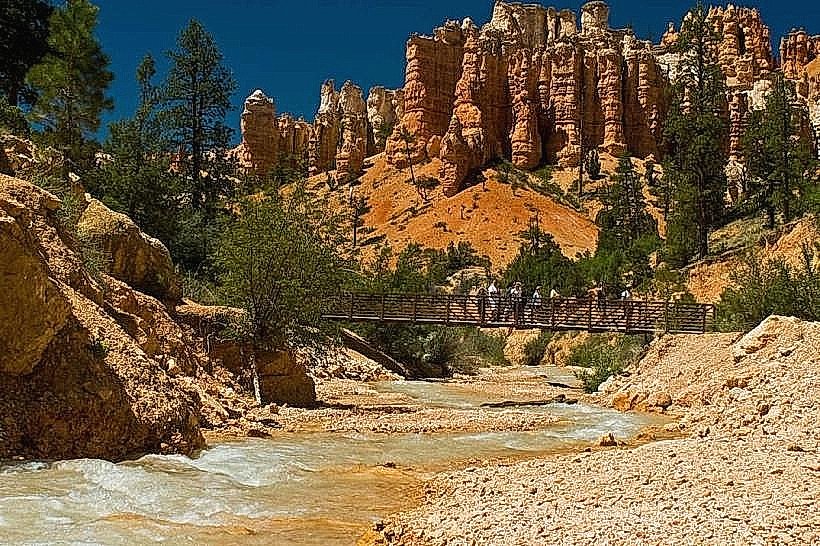
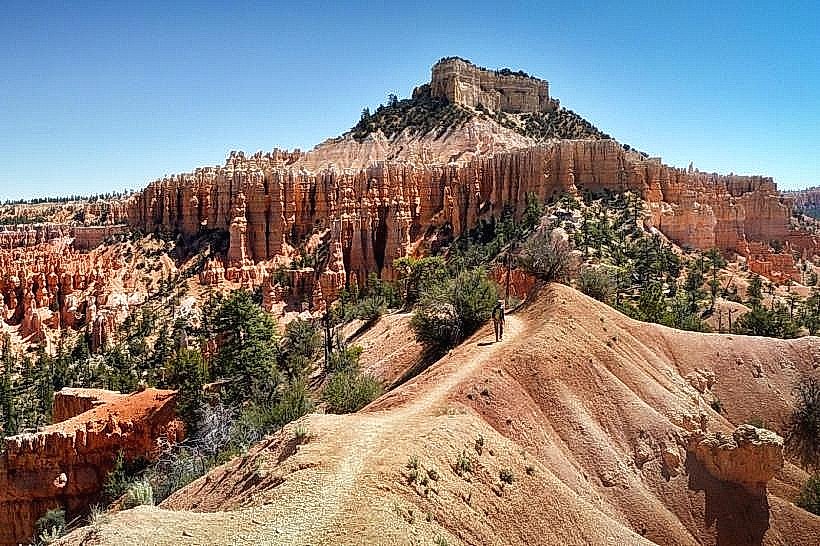
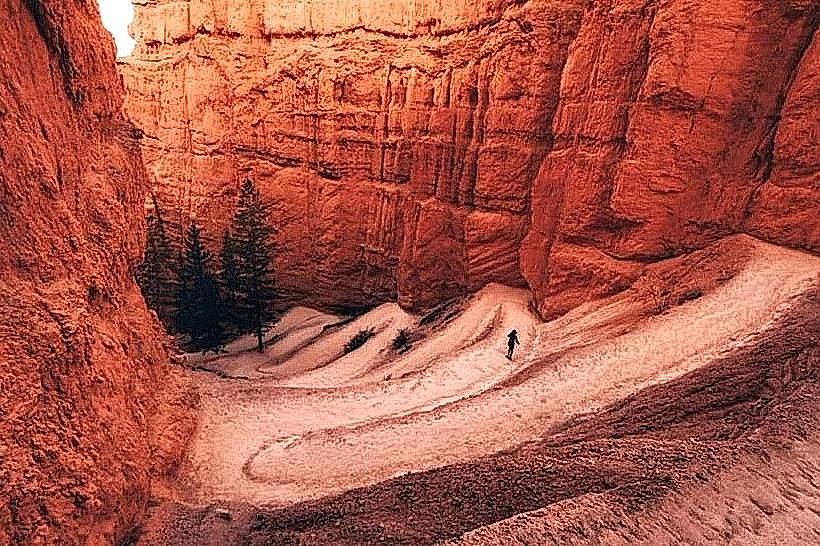
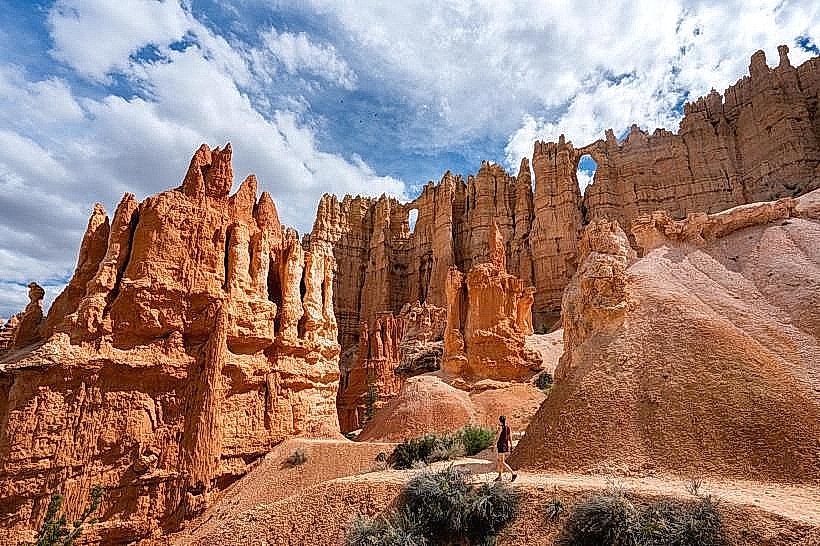
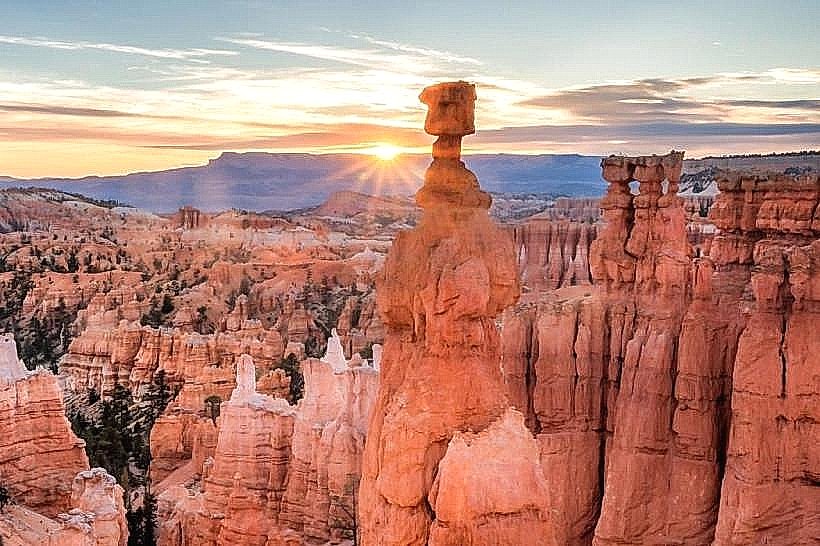
Landmark: Bryce Canyon National ParkCity: Bryce Canyon City
Country: USA Utah
Continent: North America
Bryce Canyon National Park, Bryce Canyon City, USA Utah, North America
The Beckley Exhibition Coal Mine is a preserved underground coal mine located in Beckley, West Virginia. It offers visitors a firsthand experience of historical mining operations.
Visual Characteristics
The mine entrance is a dark, rough-hewn opening in a hillside. The interior consists of narrow, unlined tunnels supported by timber beams. The walls are composed of coal seams and surrounding rock strata, exhibiting varying shades of black, grey, and brown. The air within the mine is cool and damp.
Location & Access Logistics
The mine is situated approximately 3.2 kilometers (2 miles) south of downtown Beckley, West Virginia, accessible via Route 16 South. Parking is available on-site at no charge. Public transportation options to the mine are limited; the nearest bus stops are several kilometers away, requiring a taxi or ride-share service for the final approach.
Historical & Ecological Origin
The mine was originally operated by the Raleigh Coal and Coke Company, with production commencing in the early 20th century. It was a functional deep mine until its closure in 1961. The geological formation consists of the Sewell Coal Bed, part of the Appalachian Basin's extensive coal deposits.
Key Highlights & Activities
Guided tours are conducted by former miners, descending into the mine via a mine car. Visitors can observe mining equipment and learn about the daily life of coal miners. Above ground, the site includes a museum displaying mining artifacts and a gift shop.
Infrastructure & Amenities
Restrooms are available in the visitor center building. Limited shaded areas are present near the entrance. Cell phone signal (4G/5G) is generally weak to non-existent within the mine itself, but is typically available on the surface. Food vendors are not present on-site, but are available in Beckley.
Best Time to Visit
The mine's temperature remains constant year-round, making it suitable for visits in any season. Mid-morning or early afternoon tours are recommended to allow ample time for the above-ground exhibits. No tide considerations apply.
Facts & Legends
A unique aspect of the mine car tour is the demonstration of the "bottom man" system, where miners were lowered and raised from the mine. A local anecdote suggests that the mine was known for its particularly difficult working conditions due to the thinness of the coal seam in certain sections.
Nearby Landmarks
- Beckley Raleigh County Convention Center (0.8km North)
- Tamarack Marketplace (1.5km North)
- Raleigh County Courthouse (2.8km North)
- Beckley Memorial Hospital (3.5km North)