Information
Country: USA UtahContinent: North America
USA Utah, North America
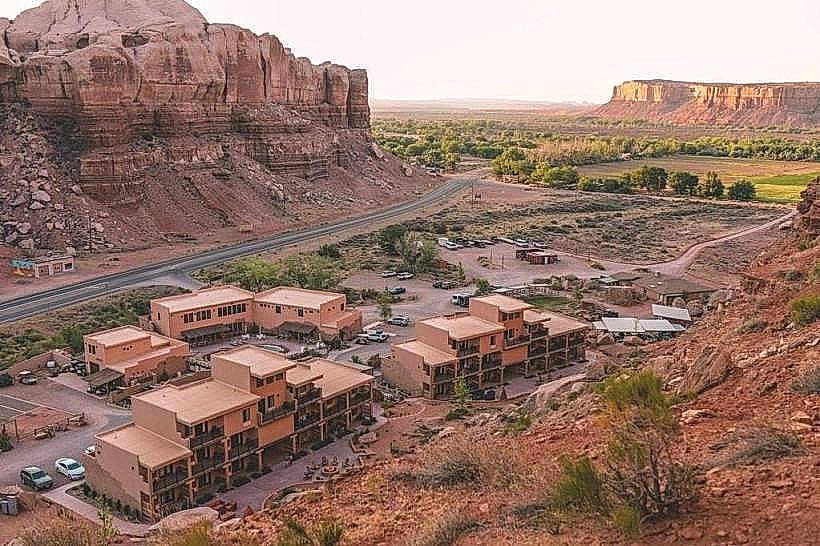
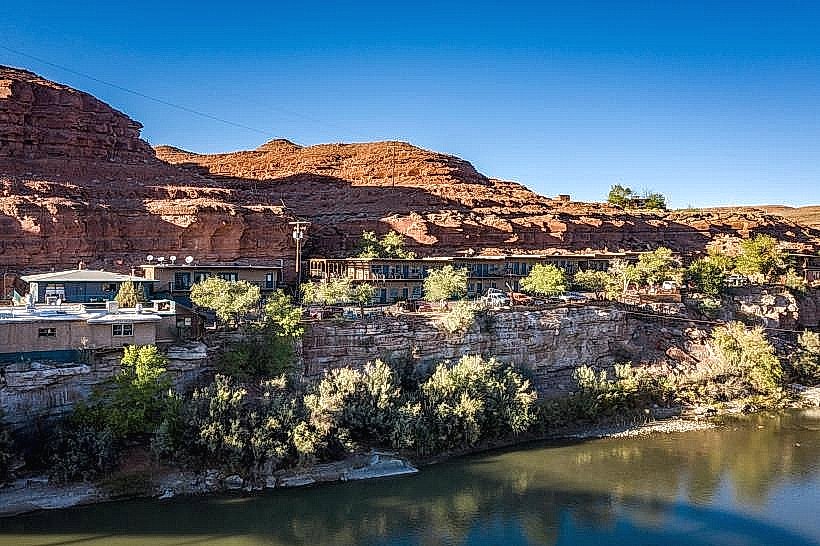
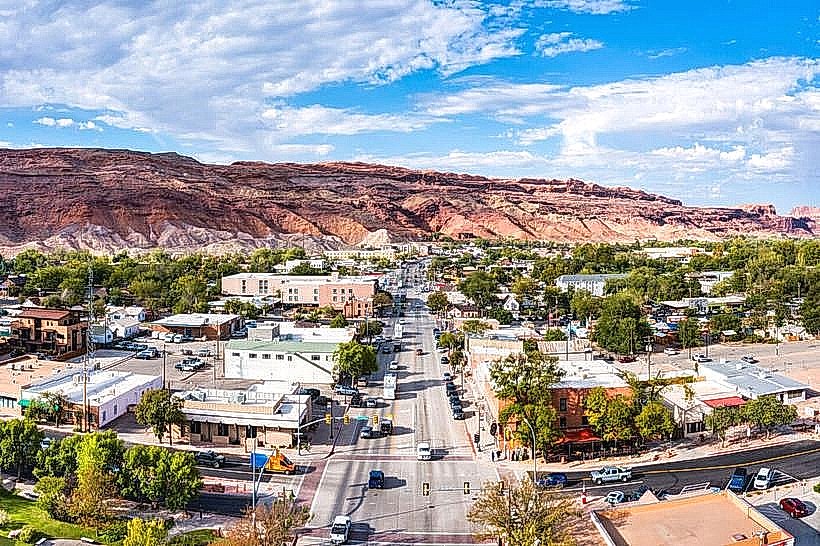
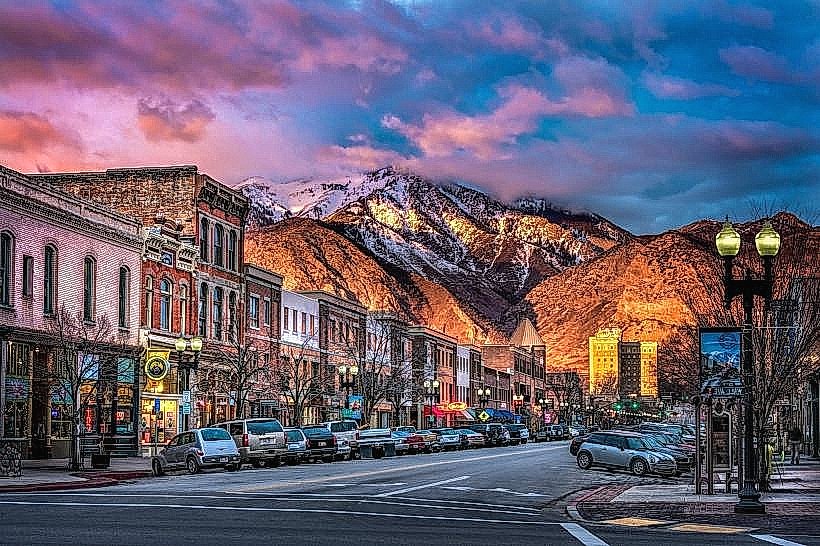
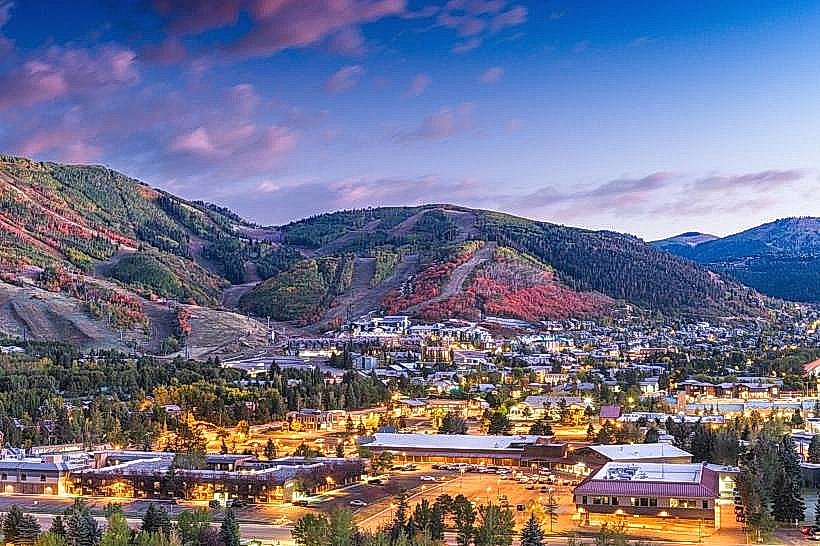
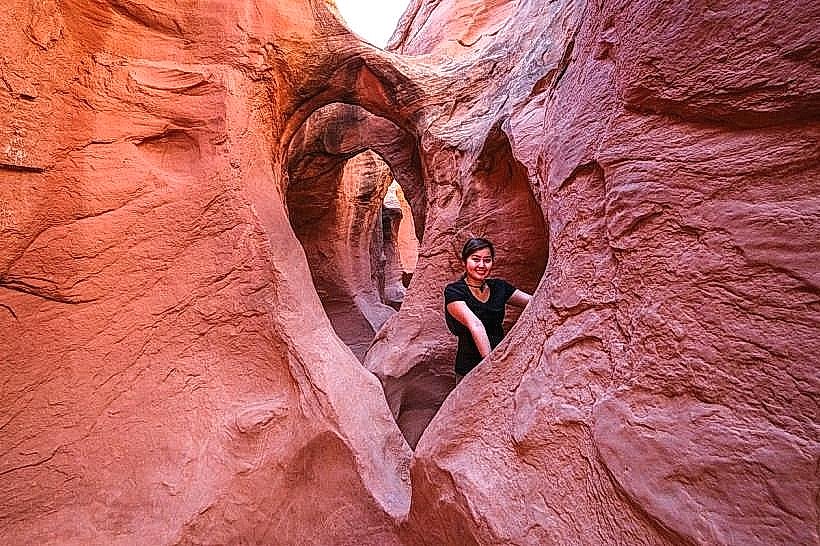
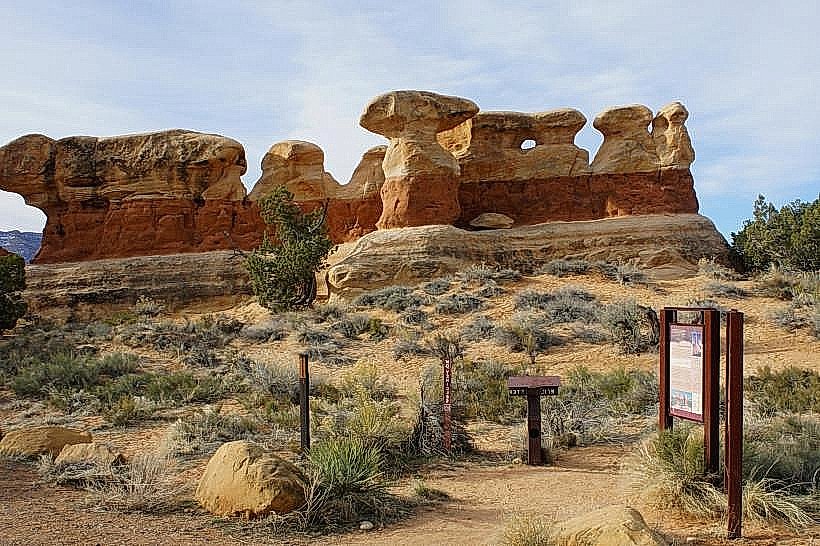
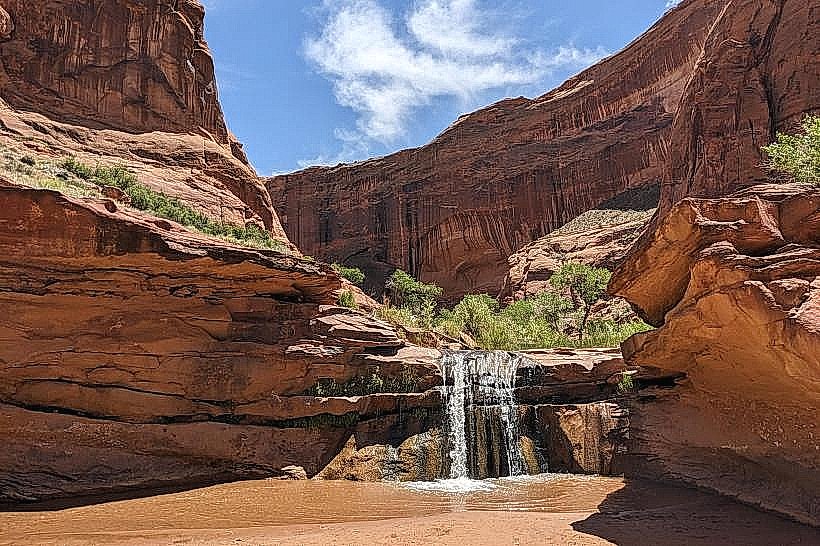
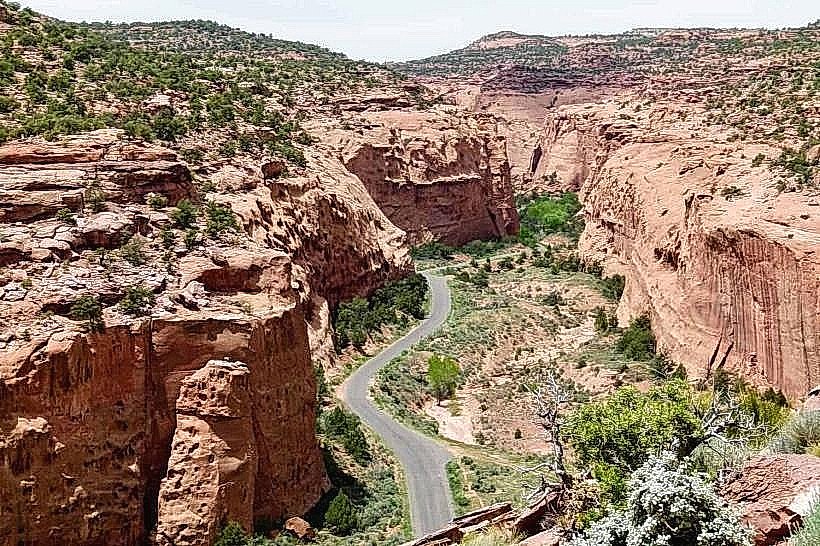
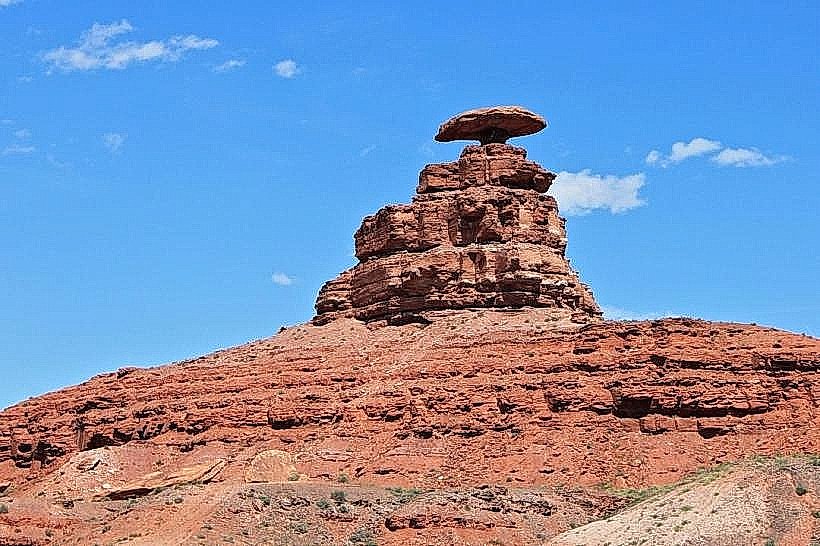
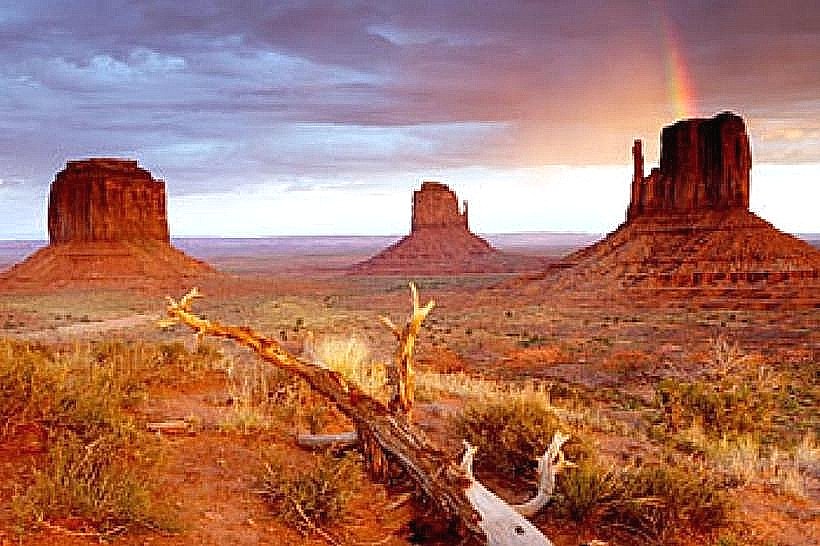
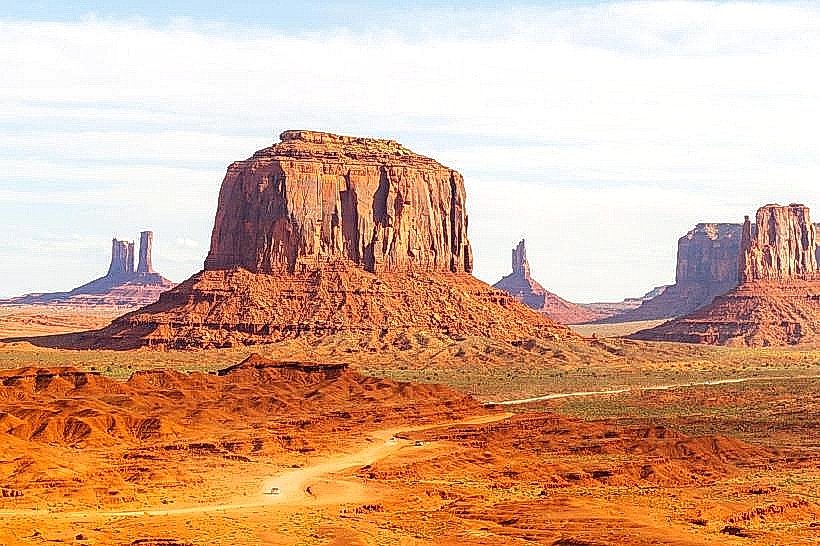
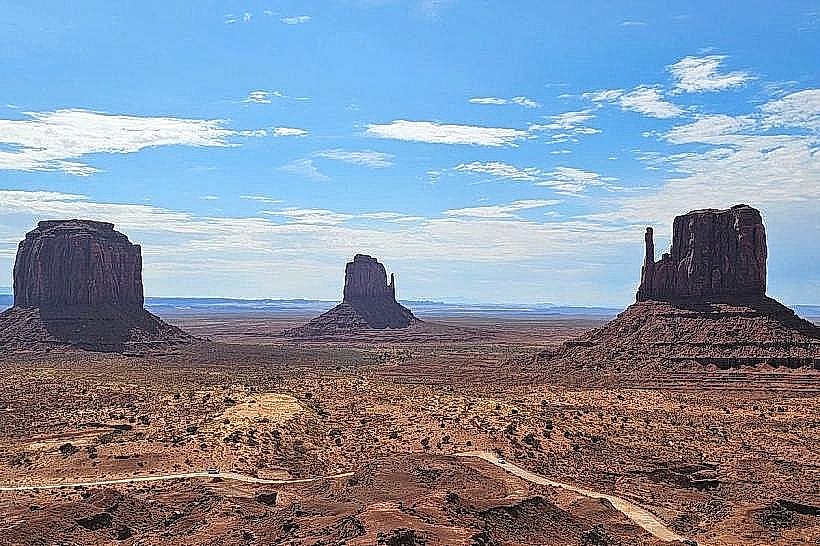
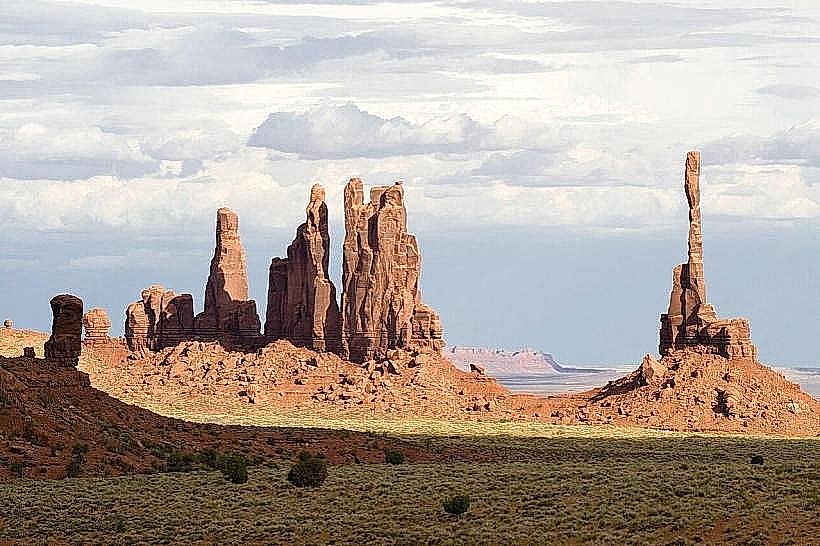
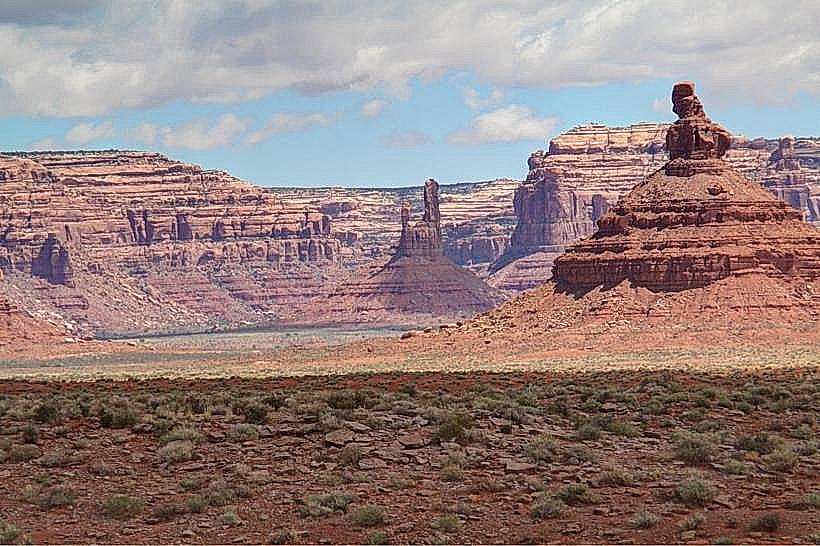
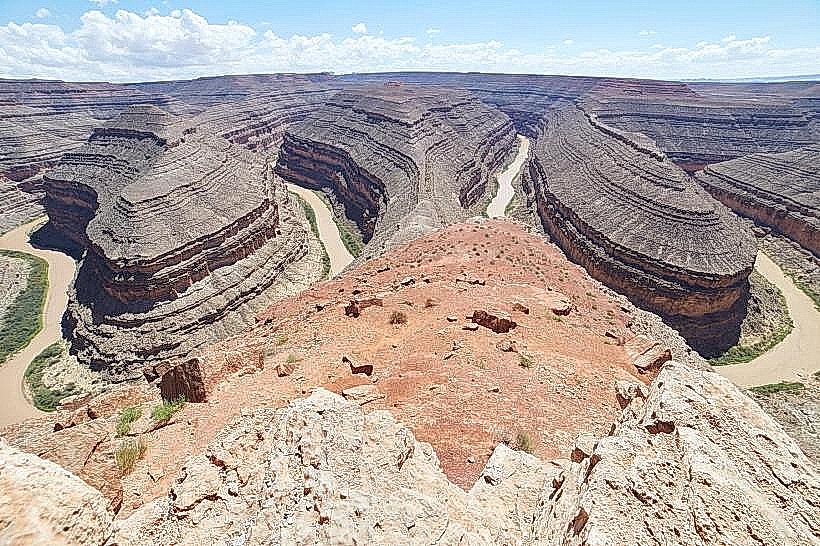
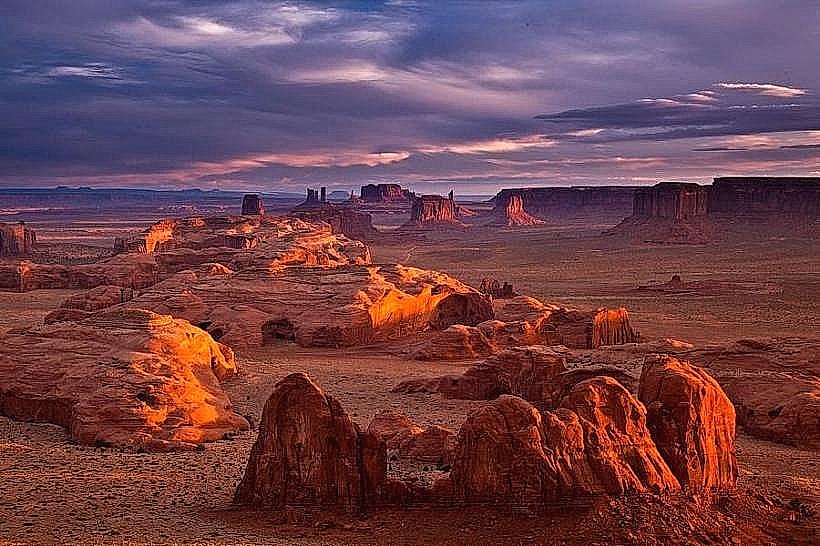
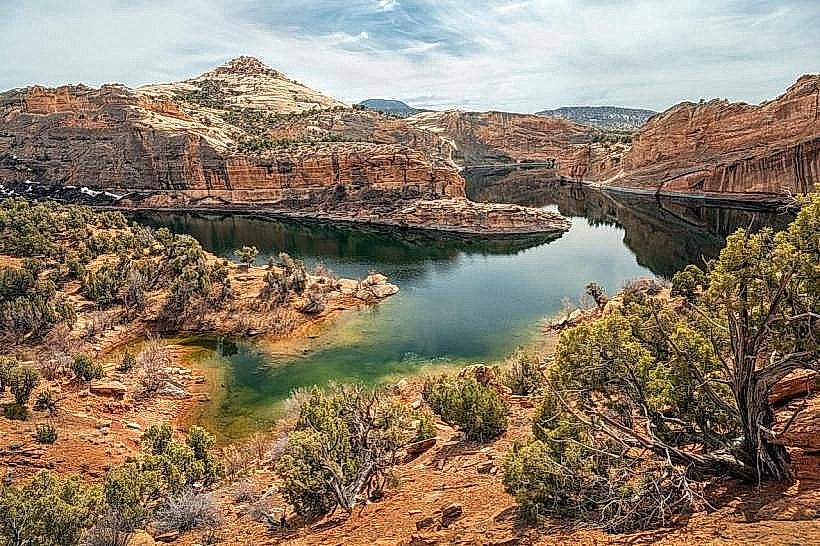
Utah is located in the Mountain West region of the United States, bordering Idaho to the north, Wyoming to the northeast, Colorado to the east, Arizona to the south, and Nevada to the west. It also touches New Mexico at the "Four Corners" point. The state is defined by its rugged topography, encompassing the Wasatch Range, the Great Salt Lake, and the "Mighty 5" national parks. The capital city is Salt Lake City.
History & Culture
Utah was settled in 1847 by Mormon pioneers and admitted as the 45th state in 1896. Its culture is heavily influenced by the Church of Jesus Christ of Latter-day Saints (LDS), though urban areas have diversified significantly. Primary religious affiliations are LDS (approx. 55-60%), Protestant (7%), and Catholic (6%). Pioneer Day (July 24) is a unique state holiday. Social etiquette emphasizes community-centric values, modesty, and a standardized 18–25% tipping expectation.
Language & Communication
English is the official and universal language. Spanish is the second most common language (approx. 10%). Regional accents are generally part of the Western American dialect, though some rural residents use "Utahisms" such as T-glottalization (e.g., pronouncing "Layton" as "Lay-uhn").
Population & Economy
The population is approximately 3.5 million. Top export commodities include gold (refined), aircraft parts, and medical instruments. GDP per capita is approximately $66,400 USD. The economy is a national leader in job growth, driven by the "Silicon Slopes" tech corridor, aerospace (Northrop Grumman), and a multibillion-dollar outdoor recreation industry. In 2026, Salt Lake City is undergoing major redevelopment of the Delta Center and downtown district to support dual-sport NBA and NHL operations.
Visa & Entry Policy
Effective January 1, 2026, under Presidential Proclamation 10998, visa issuance is suspended or restricted for nationals of 39 countries to enhance security vetting. Citizens of the UK, EU, and other Visa Waiver Program nations require an ESTA for stays up to 90 days. There is no Visa on Arrival system. Customs enforcement at Salt Lake City International (SLC) is strict regarding agricultural products.
Currency & Payment Systems
The currency is the United States Dollar (USD). Card payments and mobile "tap-to-pay" are universal. Cash is rarely required except for small tips or at specific seasonal events. ATM availability is high, particularly through regional banks like Zions Bank.
National Transport Grid
Intercity travel is dominated by the I-15 and I-80 corridors. Amtrak provides service via the "California Zephyr." Domestic and international aviation is centered at Salt Lake City International (SLC), which completes its final "Phase 4" expansion in October 2026. The Utah Transit Authority (UTA) operates the FrontRunner commuter rail and TRAX light rail, with major 2026 projects focusing on double-tracking segments for increased frequency.
Digital Infrastructure
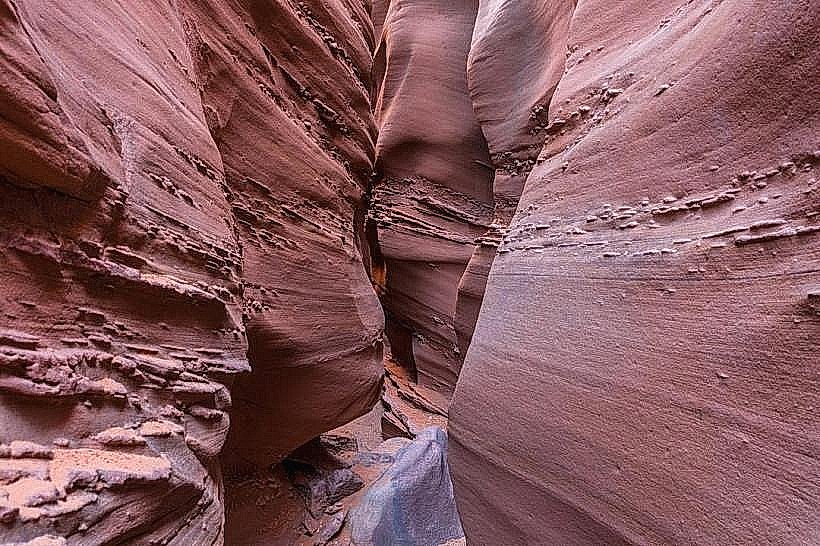
Major mobile network providers are Verizon, AT&T, and T-Mobile. 5G coverage is comprehensive along the Wasatch Front (Ogden to Provo). In 2026, high-altitude rural regions are increasingly reliant on LEO satellite providers like Starlink. Signal dead zones are frequent in the deep canyons of southern Utah and remote wilderness areas.
Climate & Seasonality
The climate is predominantly semi-arid to arid, with alpine conditions in the mountains. For the 2025–2026 winter, weak La Niña to ENSO-neutral conditions have resulted in near-average snowfall for the northern mountains and warmer-than-average temperatures in the south. Summer (July–August) is hot and dry, with occasional monsoon activity in the southern red rock regions.
Health & Safety
No mandatory vaccines are required for entry. Specific environmental risks include altitude sickness (in high-elevation regions), extreme summer heat, and winter inversions (air quality issues in the Wasatch Front valleys). In early 2026, state health officials have issued warnings regarding increased carbon monoxide risks due to winter heating. The emergency number for Police, Ambulance, and Fire is 911.
Top 3 Major Regions & Cities
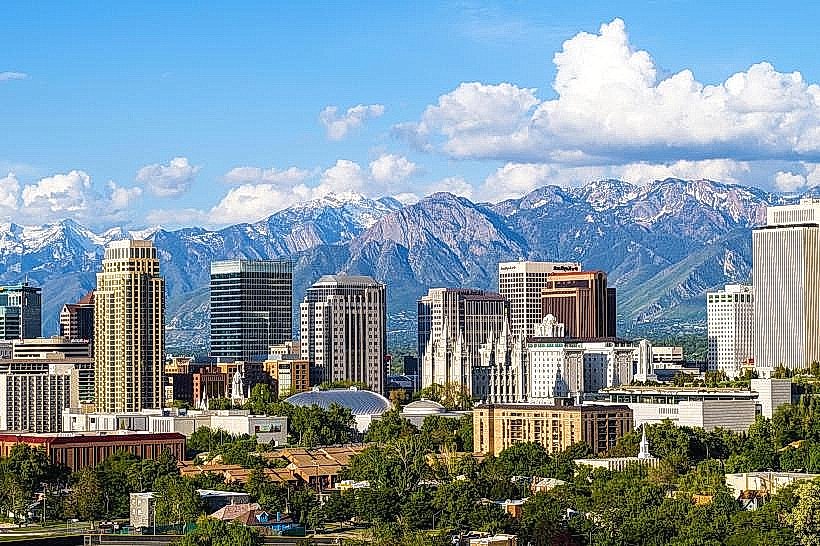
The Wasatch Front (Tech/Government/Education): Hub city is Salt Lake City.
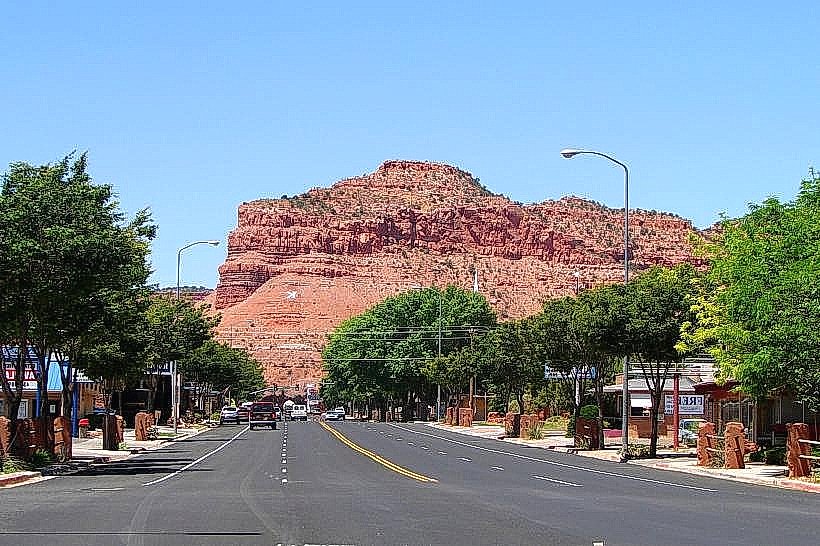
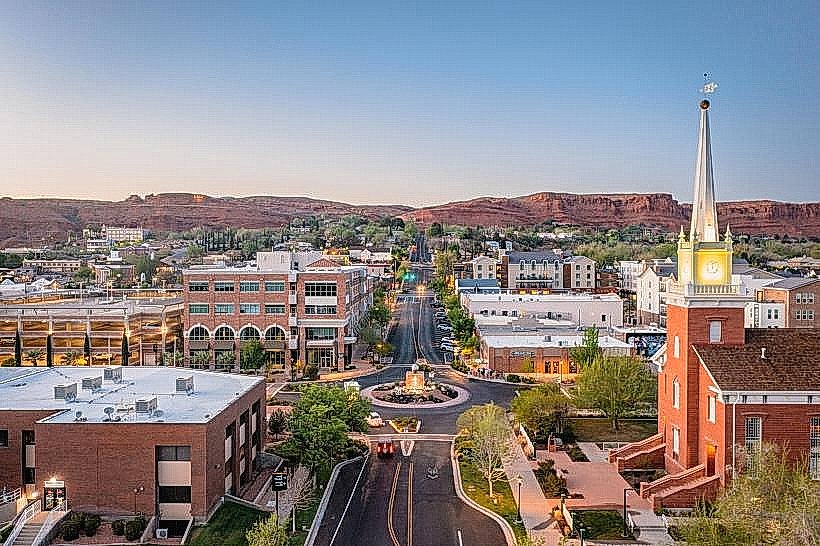
Red Rock Country (Tourism/National Parks): Hub city is St. George.
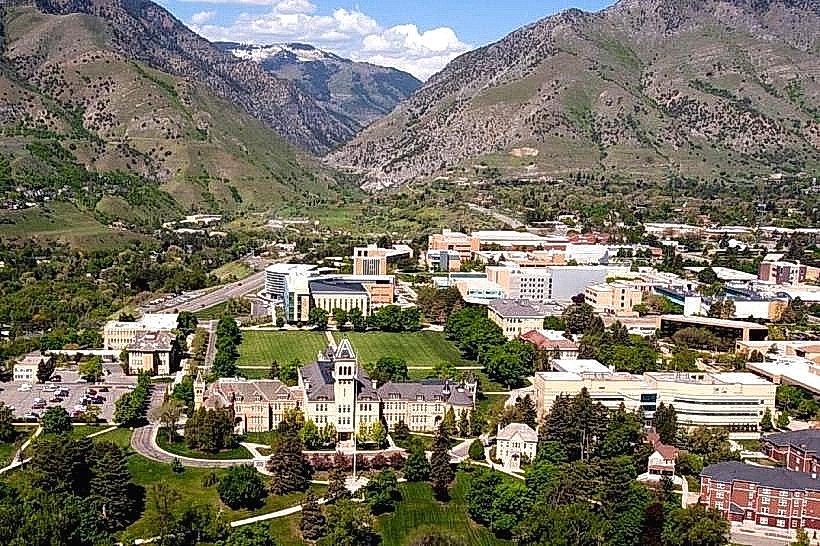
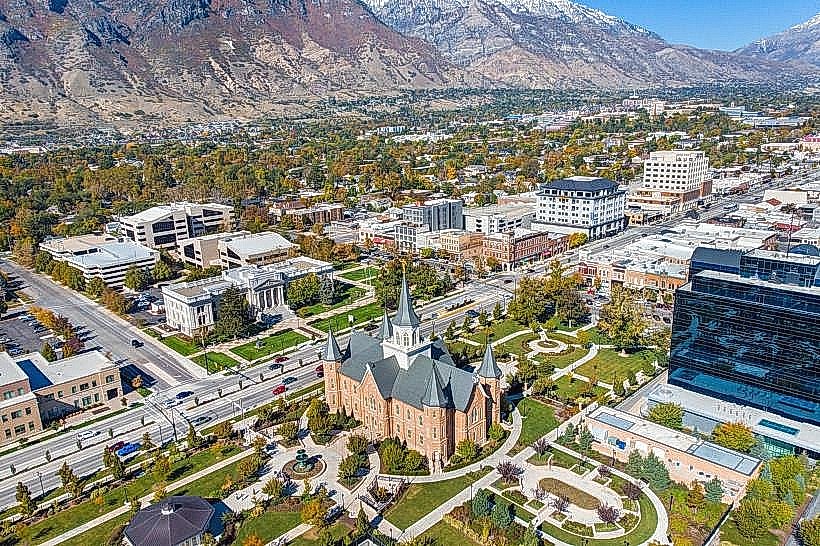
Utah Valley (Tech/Education): Hub city is Provo.
Local Cost Index
1L Water: $2.20 USD
1 Domestic Beer: $6.50 USD
1 Sim Card (Data Plan): $45.00 USD
Facts & Legends
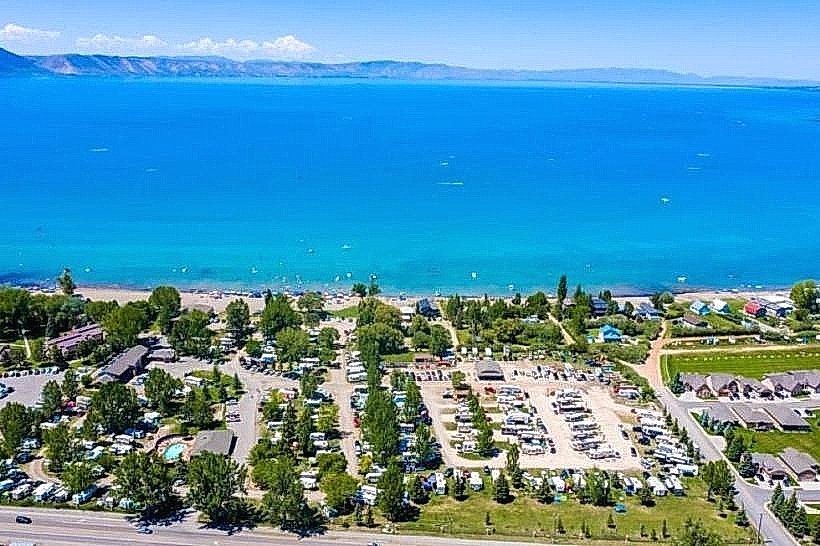
The "Bear Lake Monster" (Isabella) is a prominent local legend described as a 50-foot serpentine creature with spikes along its back, first reported in 1868. Skinwalker Ranch in the Uinta Basin is globally famous for reports of paranormal activity and shapeshifting entities. Additionally, the Great Salt Lake is home to "Old Briney," a folkloric giant brine shrimp said to inhabit the deepest waters.