Information
City: St GeorgeCountry: USA Utah
Continent: North America
St George, USA Utah, North America
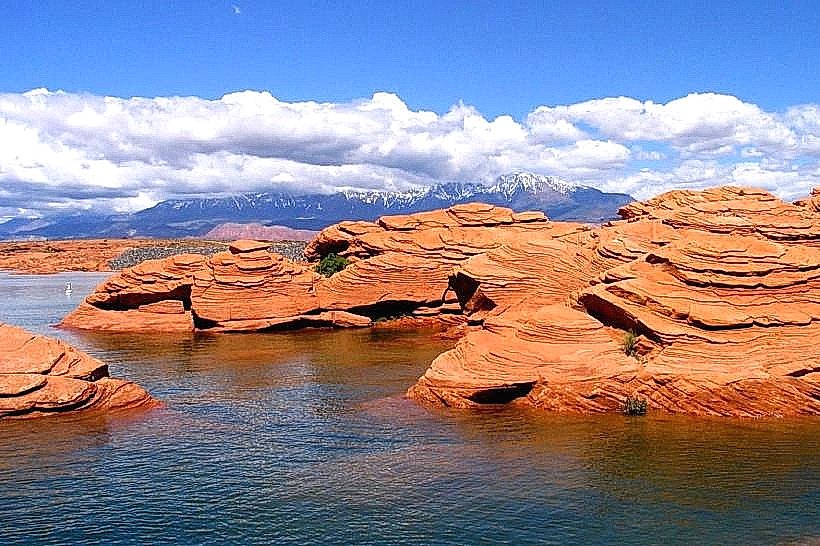
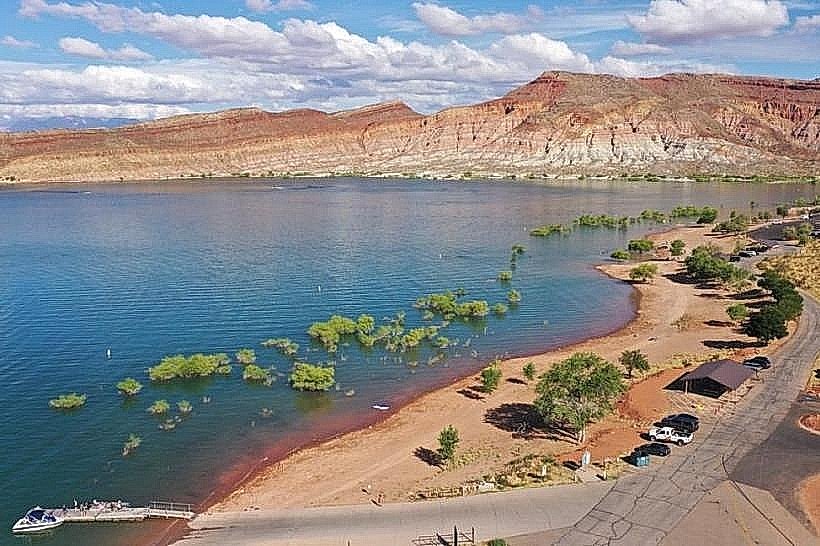
St. George is the administrative seat of Washington County and the principal city of the St. George metropolitan area. It is situated in the northeasternmost part of the Mojave Desert, near the junction of the Colorado Plateau and the Great Basin, approximately 190 kilometers northeast of Las Vegas.
Historical Timeline
The area was inhabited by the Southern Paiute for centuries before being explored by the Dominguez–Escalante expedition in 1776. In 1861, Brigham Young sent 305 families to the region to establish a "Cotton Mission" to provide clothing self-sufficiency for the LDS community during the American Civil War. St. George was incorporated in 1862. The city remained a small agricultural outpost until the late 20th century, when its warm climate and proximity to national parks triggered a massive migration of retirees and outdoor enthusiasts, making it one of the fastest-growing metropolitan areas in the United States.
Demographics & Population
The 2026 projected population is 102,414. The demographic profile is White (78.3%), Hispanic or Latino (14.8%), and Two or More Races (4.1%). The median age is 38.4 years, reflecting a balance between a large retiree population and a growing workforce associated with Utah Tech University.
Urban Layout & Key Districts
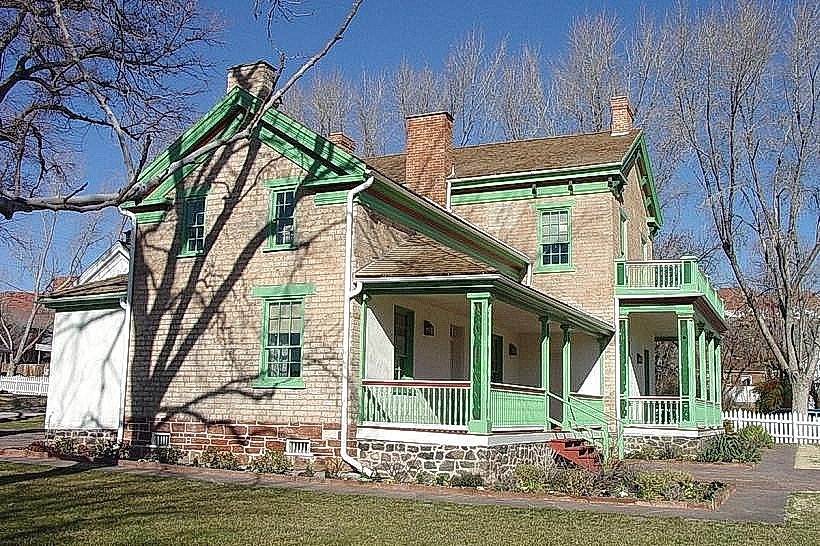
Historic Downtown (Central): Features 19th-century pioneer architecture, the St. George Tabernacle, and the Ancestor Square commercial district.
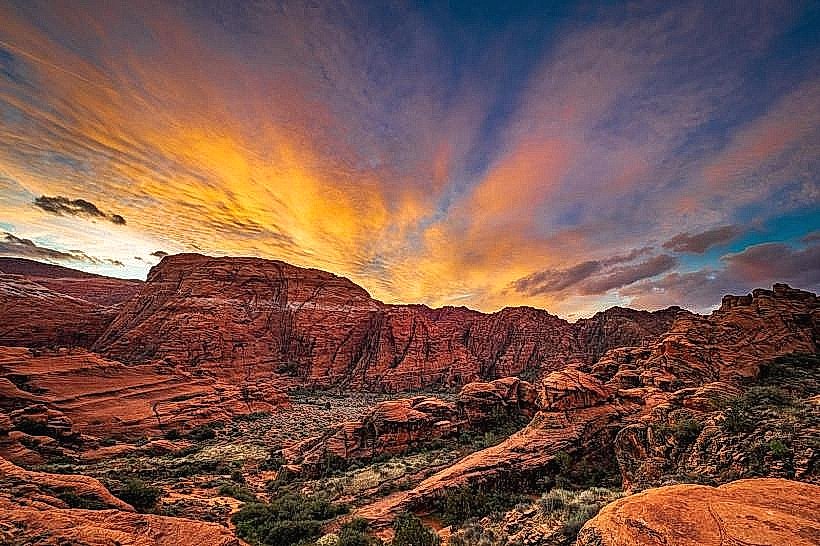
The Ledges / Snow Canyon (Northwest): An upscale residential area characterized by red rock vistas and luxury golf courses.
Utah Tech / University District (East): Anchored by the university campus and related student housing and amenities.
Washington / Santa Clara (Suburban): Neighboring municipalities that have effectively merged with St. George to form a continuous urban corridor.
Top City Landmarks
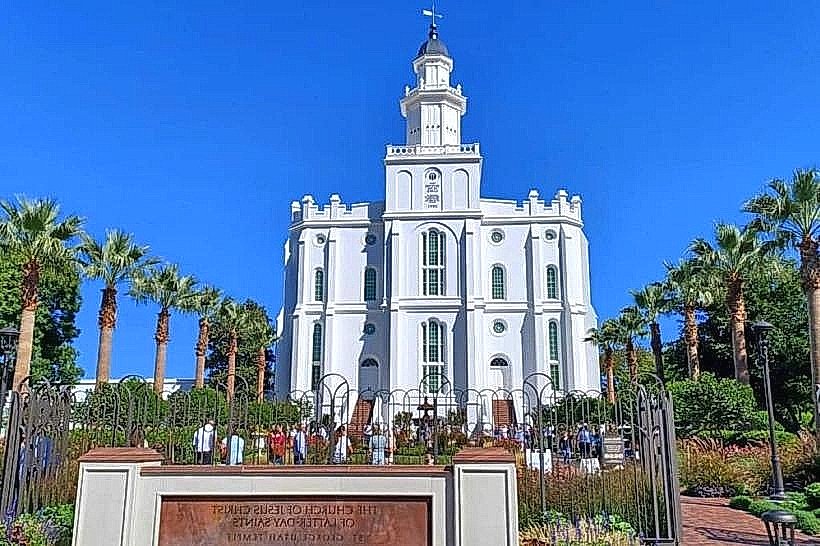
St. George Utah Temple: The first temple completed in Utah (1877), known for its brilliant white exterior.
Snow Canyon State Park: A 7,400-acre park featuring volcanic cones and sand dunes tucked into red sandstone canyons.
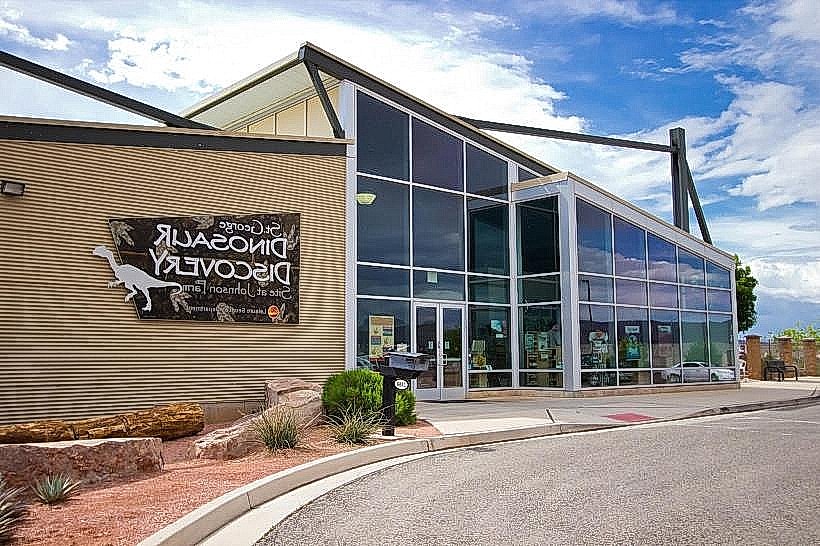
St. George Dinosaur Discovery Site: An exceptionally well-preserved tracksite featuring thousands of Jurassic-era footprints.
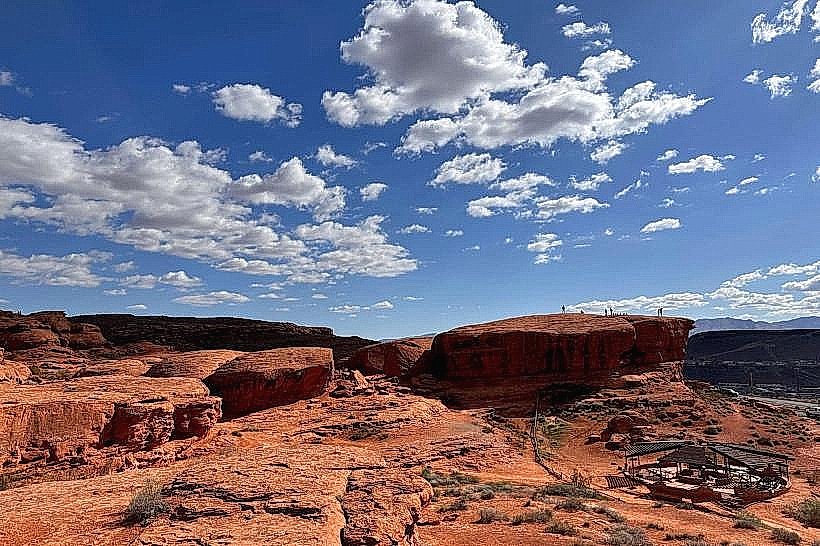
Dixie Rock ("Sugarloaf"): A massive red rock formation overlooking the city, often painted with the "DIXIE" landmark.
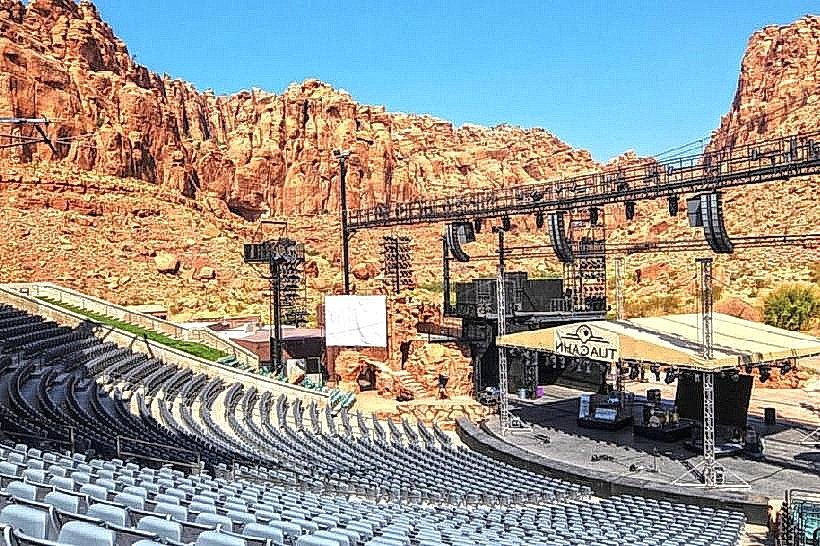
Tuacahn Center for the Arts: An outdoor amphitheater located in a natural red rock canyon in nearby Ivins.
Transportation Network
Movement is primarily automotive via I-15. SunTran operates seven fixed-route bus lines within St. George and Ivins ($1.00 per ride). There is no metro. Ride-sharing via Uber and Lyft is highly active. The St. George Regional Airport (SGU) provides daily commercial flights to major hubs like Phoenix, Dallas, and Salt Lake City. The city is a major hub for the Red Rock Trail System, featuring over 100 kilometers of paved multi-use paths.
Safety & "Red Zones"
The general safety level is very high. St. George is statistically one of the safest cities in Utah. There are no designated "red zones." Minor property crime (larceny) is the most frequent issue. Standard urban vigilance is advised near the transit center and in high-traffic retail parking lots on River Road.
Digital & Financial Infrastructure
Average internet speed is 250–1000 Mbps, with fiber services provided by TDS Telecom and InfoWest. Main mobile carriers are Verizon and AT&T. Card acceptance is universal. ATMs are concentrated in the downtown area and along the St. George Boulevard commercial corridor.
Climate & Air Quality
Temperatures range from 0°C to 13°C in winter (January) and 24°C to 39°C+ in summer (July). The city has a desert climate with extreme summer heat. Air quality is generally high, though regional wildfires in California and Northern Arizona can lead to "Unhealthy" AQI levels during late summer months.
Culture & Social Norms
The standard tipping rate is 18–20%. Greetings are polite and follow traditional Southern Utah social norms. The city has a strong outdoor-fitness culture alongside a conservative religious foundation. Dress code is "Desert Casual"-breathable fabrics and sun protection are standard. Smoking is prohibited in public indoor spaces.
Accommodation Zones
St. George Boulevard: Stay here for standard motels, easy I-15 access, and proximity to downtown.
Green Valley / South Valley: Stay here for vacation rentals and proximity to mountain bike trailheads.
Ivins / Entrada: Stay here for luxury resorts and access to Snow Canyon.
Local Cost Index
1 Espresso: $4.75
1 Standard Lunch: $16.00
1 Bus Ticket: $1.00
Nearby Day Trips
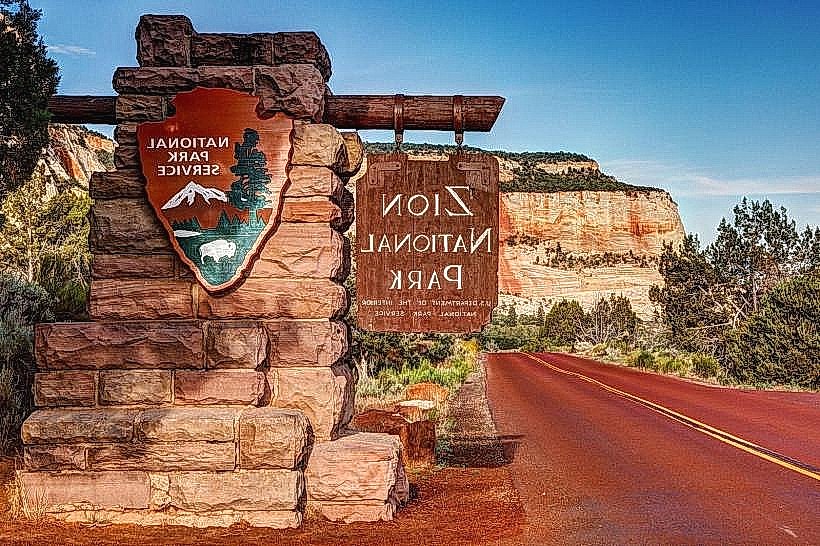
Zion National Park: (65 km)
Las Vegas, NV: (190 km)
Cedar Breaks National Monument: (130 km)
Sand Hollow State Park: (25 km)
Facts & Legends
St. George is known as "Utah’s Dixie," a name stemming from the failed 19th-century cotton mission and the warm, southern climate. A local legend involves the "Ghost of the Opera House," where performers have reported unexplained movements in the wings. A verified historical oddity is that the city was a primary downwind site for atmospheric nuclear testing at the Nevada Test Site in the 1950s, an event that significantly impacted the local population and is documented in the "Downwinders" archives.