Information
Landmark: Snow Canyon State ParkCity: St George
Country: USA Utah
Continent: North America
Snow Canyon State Park, St George, USA Utah, North America
Snow Canyon State Park, located just a few miles northwest of St. George, Utah, is one of the state’s most striking desert landscapes-often overshadowed by Zion yet equally mesmerizing in its own right. Encompassing over 7,400 acres of red sandstone cliffs, black lava flows, and rolling dunes, Snow Canyon lies within the Red Cliffs Desert Reserve and offers a quieter, more intimate alternative to Utah’s national parks. The park’s name, despite the association, doesn’t come from winter weather-it honors early settlers Lorenzo and Erastus Snow.
Setting and Atmosphere
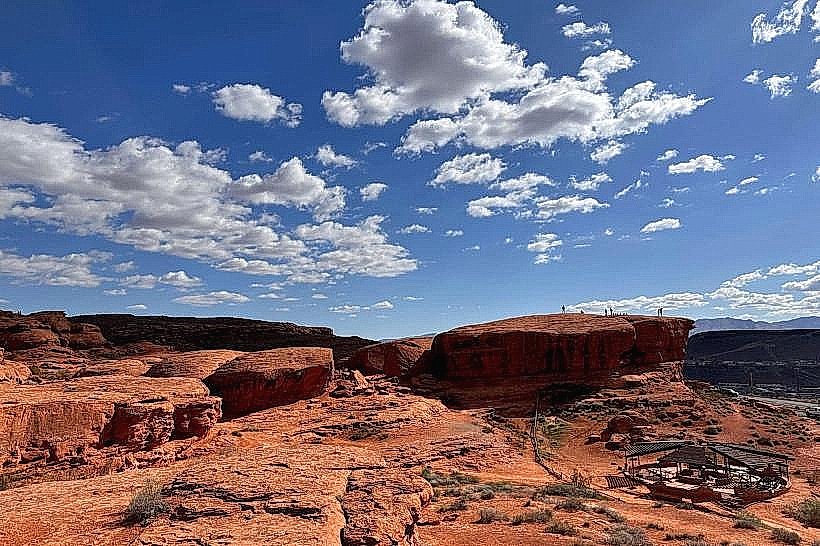
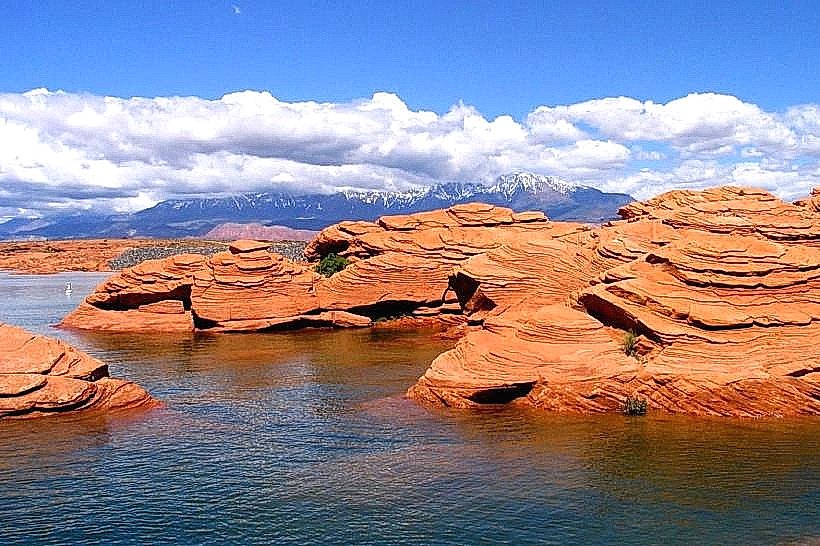
The first impression of Snow Canyon is one of color and contrast. Rust-red Navajo sandstone cliffs rise dramatically from the desert floor, interspersed with streaks of white limestone and deep-black volcanic rock. Sunlight intensifies these colors through the day, turning the canyon into a vivid mosaic of crimson, gold, and shadow. In spring, desert marigolds and prickly pear cacti bloom among the rocks; by evening, the air cools, and the scent of sagebrush drifts through the canyons.
The landscape feels ancient yet alive. Layers of sandstone tell stories of shifting dunes from 180 million years ago, while more recent basalt flows from extinct volcanoes add rugged black textures to the terrain. It’s a place where silence carries weight-broken only by the echo of footsteps, wind through narrow slots, or the cry of a desert raven.
Main Attractions and Landmarks
Snow Canyon is compact but dense with natural landmarks that showcase its geological variety and beauty:
Petrified Dunes: Rolling, wave-like formations of solidified sand that once moved as part of a vast dune field. Their curved ridges and smooth surfaces are ideal for exploration at sunset, when they glow in deep orange tones.
White Rocks Amphitheater: A scenic area of pale, sculpted sandstone where erosion has created amphitheater-like walls perfect for photography and quiet reflection.
Jenny’s Canyon: A short, accessible slot canyon that leads visitors between narrow sandstone walls-an easy introduction to Utah’s slot canyon experience.
Lava Flow Trail: A fascinating path that passes through ancient lava tubes, remnants of volcanic eruptions that shaped much of the region. Visitors can enter the cool, dark lava caves for a glimpse of the park’s volcanic past.
Sand Dunes: A family-friendly area of soft, rust-colored sand surrounded by cliffs-a perfect spot for children to play or photographers to capture contrasting textures.
Snow Canyon Overlook: A high vantage point offering sweeping views of the entire canyon and surrounding desert basin.
Hiking and Outdoor Activities
The park features over 38 miles of trails, ranging from gentle nature walks to more rugged desert climbs.
Easy Trails: Jenny’s Canyon, Pioneer Names Trail (where early settlers carved their names into the rock), and the Sand Dunes Trail.
Moderate Trails: Hidden Pinyon Trail and Johnson Canyon Trail, which lead through lava fields and juniper forests to a natural arch.
Challenging Trails: Butterfly Trail, Three Ponds Trail, and the West Canyon Road for those seeking solitude and longer desert treks.
Rock climbing, road biking, horseback riding, and wildlife photography are popular throughout the park. The calm atmosphere makes it a favorite for sunrise yoga or quiet evening hikes.
Flora and Fauna
Snow Canyon lies at the intersection of the Mojave Desert, Great Basin, and Colorado Plateau, creating diverse habitats.
Flora: Creosote bush, desert willow, yucca, and cholla cactus thrive in the lower desert. Pinyon pine and juniper appear in higher areas. Spring and fall bring bursts of wildflowers such as Indian paintbrush and evening primrose.
Fauna: Desert tortoises (a protected species), Gila monsters, lizards, and kangaroo rats are common. Birds include Gambel’s quail, roadrunners, and red-tailed hawks. On cool mornings, mule deer and coyotes sometimes cross the dunes.
Visitor Experience and Facilities
Location: About 11 miles northwest of St. George via Snow Canyon Parkway or Highway 18.
Facilities: A visitor center with interpretive exhibits, picnic areas, restrooms, and campgrounds equipped with modern amenities.
Camping: Both tent and RV sites are available, often booked in advance during spring and fall.
Accessibility: Several short trails and scenic overlooks are suitable for visitors with limited mobility.
Climate and Best Times to Visit
Spring (March–May): Mild temperatures, blooming desert wildflowers, and ideal hiking conditions.
Summer (June–August): Hot, with midday temperatures often above 100°F-best for early morning or sunset visits.
Autumn (September–November): Cool evenings and crisp light for photography.
Winter (December–February): Pleasant daytime temperatures and fewer visitors.
Cultural and Geological Context
Long before settlers arrived, the Ancestral Puebloans and later the Southern Paiute tribes lived and hunted in this region, leaving behind petroglyphs and cultural traces. The volcanic fields and petrified dunes have since become part of Utah’s protected geological heritage. Snow Canyon’s layered sandstone has also served as a backdrop for Hollywood films, including Butch Cassidy and the Sundance Kid and Jeremiah Johnson.
Closing Impression
Snow Canyon State Park feels like a hidden desert cathedral-smaller than Zion but no less inspiring. The interplay of color, texture, and light creates a landscape that seems sculpted by time itself. Standing atop the Petrified Dunes as the sun dips behind the cliffs, one can feel the quiet majesty of Utah’s desert in its purest form. It’s a place for those who seek stillness, beauty, and the subtle power of the natural world written across stone and sand.