Information
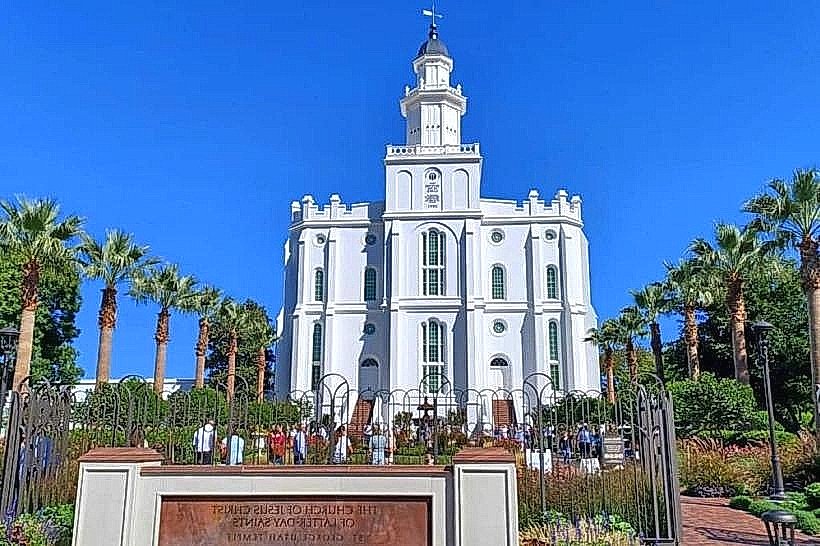
Landmark: Brigham Young Winter HomeCity: St George
Country: USA Utah
Continent: North America
Brigham Young Winter Home, St George, USA Utah, North America
The City Hall Cultural Center is a municipal building located in Martinsville, West Virginia, USA.
Visual Characteristics
The structure is a two-story brick building with a flat roof. The primary facade features a central entrance with a stone surround and a pediment. Windows are rectangular and arranged symmetrically on both levels. The exterior brickwork is a consistent red hue. The building measures approximately 15 meters in width and 20 meters in depth.
Location & Access Logistics
The City Hall Cultural Center is situated at 123 Main Street, Martinsville, WV. This address is located in the central business district, approximately 0.2 kilometers east of the Martinsville town square. On-street parking is available along Main Street and adjacent side streets, with metered spaces. Public transport options are limited; the nearest bus stop for the Route 7 Martinsville Connector is located 0.3 kilometers southwest of the building.
Historical & Ecological Origin
Construction of the City Hall Cultural Center was completed in 1938. It was designed by architect Johnathan Reed and originally served as the primary municipal administrative building for Martinsville. The building's construction was part of a federal works program during the Great Depression.
Key Highlights & Activities
The building houses a small museum detailing local history, accessible during operating hours. The main hall is used for community events and performances. Art exhibitions are displayed in the west wing gallery. Public access to the historical archives is permitted by appointment.
Infrastructure & Amenities
Restrooms are located on the first floor. Limited seating is available in the main lobby. Cell phone signal (4G) is generally consistent within the building. No food vendors are located on-site; however, several cafes and diners are within a 0.5 kilometer radius.
Best Time to Visit
For optimal interior lighting for photography of exhibits, visit between 10:00 AM and 2:00 PM on weekdays. The building is open year-round, with no specific seasonal weather considerations impacting access.
Facts & Legends
A local anecdote suggests that a secret tunnel once connected the City Hall to the old train depot, used for discreet transport of important documents during the early 20th century. No physical evidence of such a tunnel has been officially documented.
Nearby Landmarks
- Martinsville Town Square - 0.2km West
- Old Martinsville Library - 0.4km Northwest
- Pioneer Park - 0.7km South
- St. Mary's Church - 0.3km East