Information
City: Salt Lake CityCountry: USA Utah
Continent: North America
Salt Lake City, USA Utah, North America
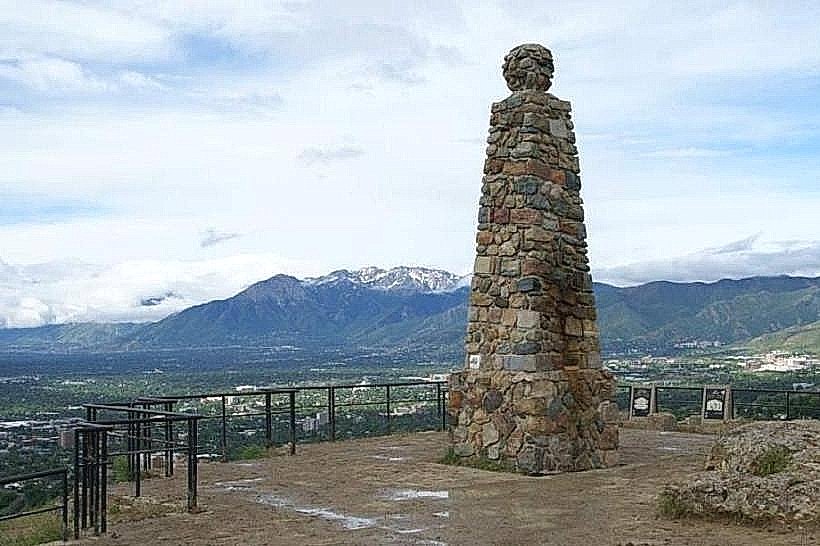
Salt Lake City is the capital and most populous city of Utah, serving as the administrative seat of Salt Lake County. It is situated in the Salt Lake Valley, bordered by the Great Salt Lake to the northwest and the steep Wasatch Range to the east.
Historical Timeline
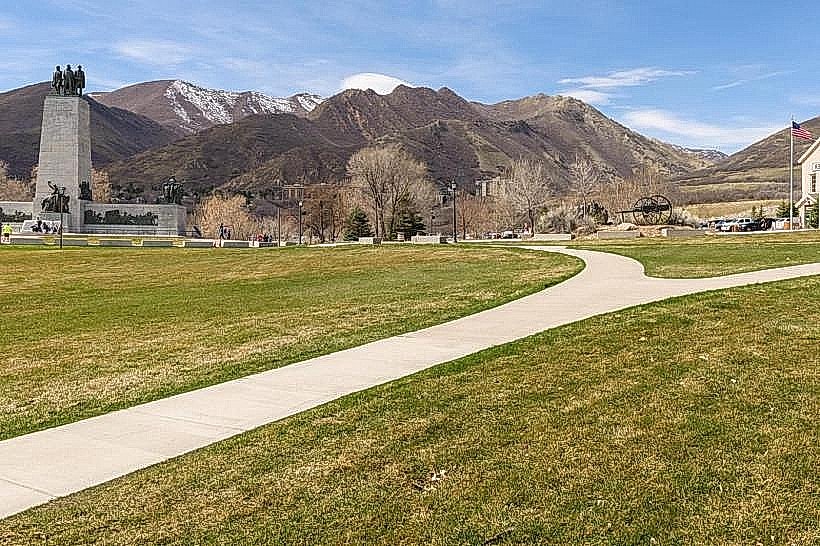
Founded on July 24, 1847, by a group of Mormon pioneers led by Brigham Young, the city was established as a sanctuary for members of The Church of Jesus Christ of Latter-day Saints (LDS). It was originally named "Great Salt Lake City." The 1869 completion of the First Transcontinental Railroad at nearby Promontory Summit ended the city's isolation and accelerated industrial growth. The primary event shaping the modern urban form was the 2002 Winter Olympics, which triggered massive investments in light rail infrastructure (TRAX) and the revitalization of the downtown core.
Demographics & Population
The 2026 projected population is 205,488 within city limits, though the greater metropolitan area exceeds 1.2 million. The top three demographics are White (63.2%), Hispanic or Latino (21.0%), and Asian (5.4%). The median age is 32.5 years.
Urban Layout & Key Districts
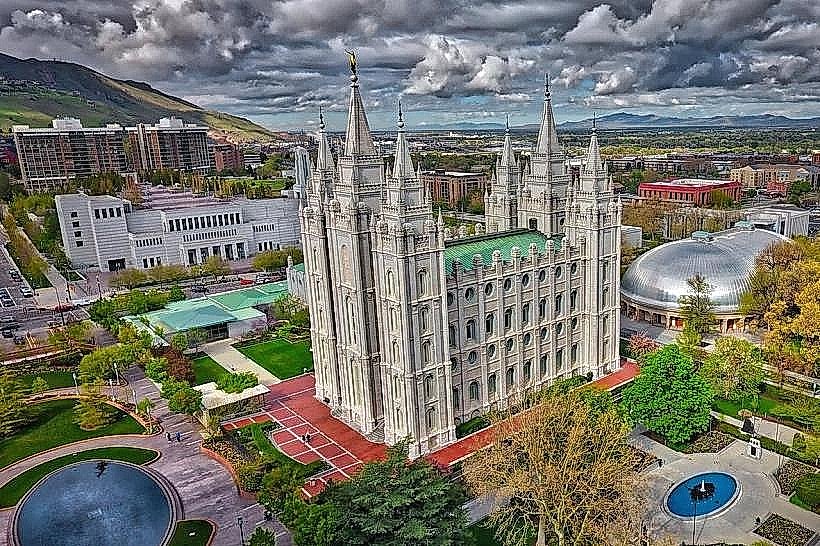
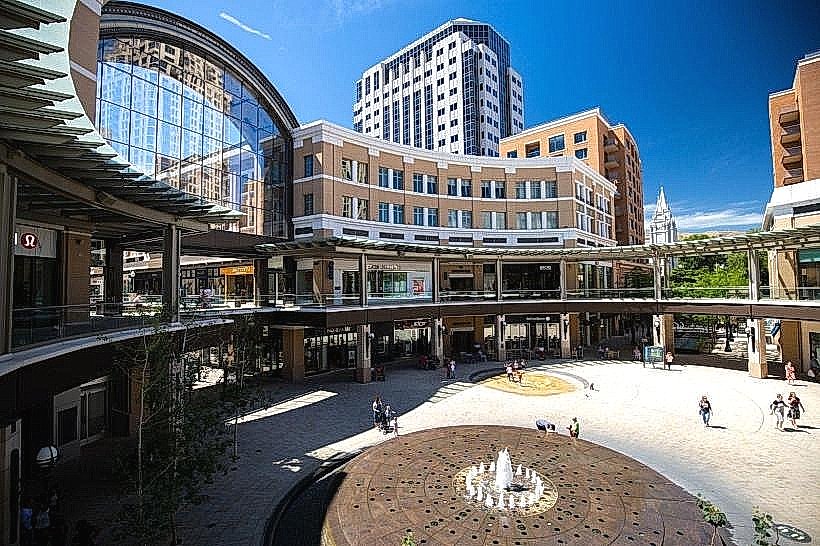
Downtown (Central): The commercial and religious heart, containing Temple Square and the City Creek Center.
Sugar House (Southeast): A trendy, walkable neighborhood known for its independent retail, breweries, and parks.
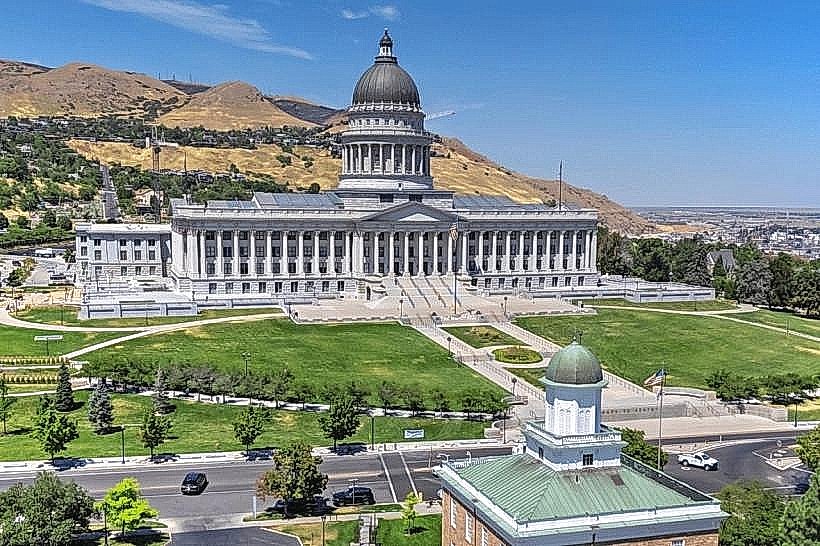
Capitol Hill (North): Home to the Utah State Capitol and historic sandstone architecture overlooking the valley.
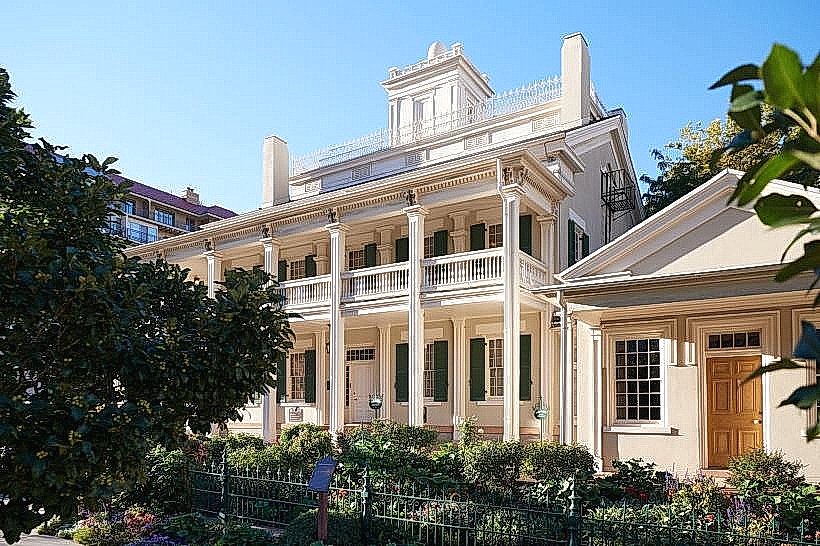
The Avenues (Northeast): The city’s oldest residential district, featuring a strict grid and diverse Victorian-style homes.
Central Ninth / Granary (Southwest): Former industrial zones currently undergoing rapid "maker-space" and culinary redevelopment.
Top City Landmarks
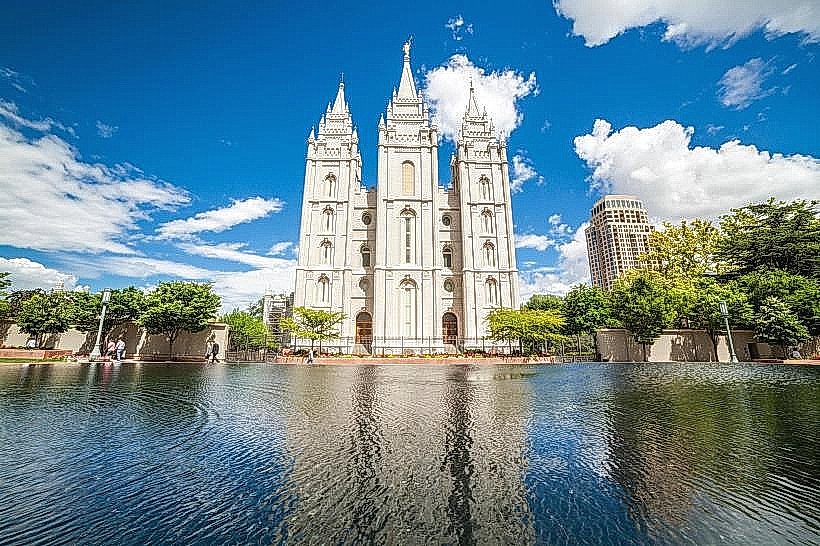
Temple Square: A 10-acre complex containing the Salt Lake Temple and Tabernacle; the geographic center of the city's grid system.
Utah State Capitol: A prominent neo-classical building featuring Georgia marble and local granite.
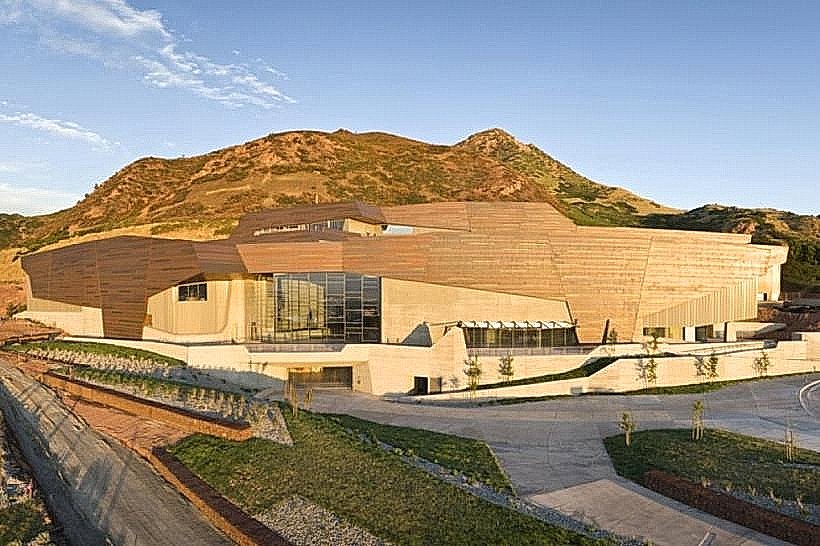
Natural History Museum of Utah: An architectural landmark integrated into the foothills of the Wasatch Range.
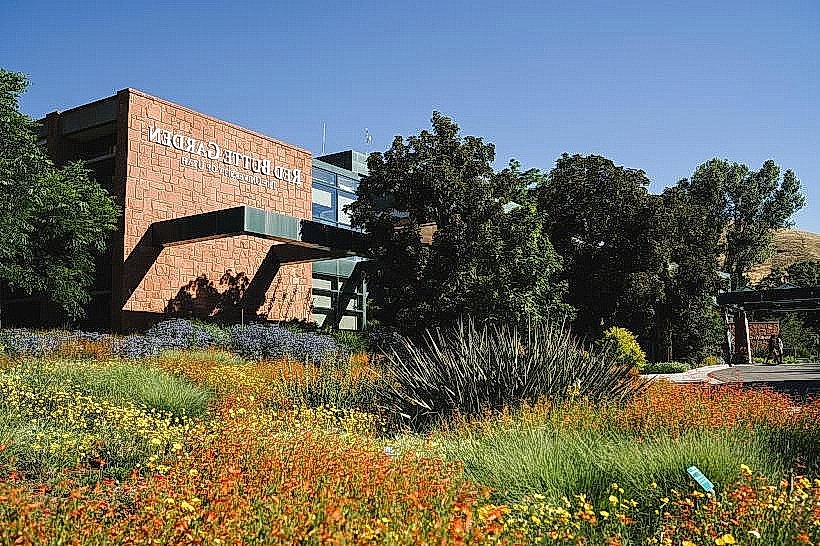
Red Butte Garden: A 100-acre botanical garden and arboretum operated by the University of Utah.
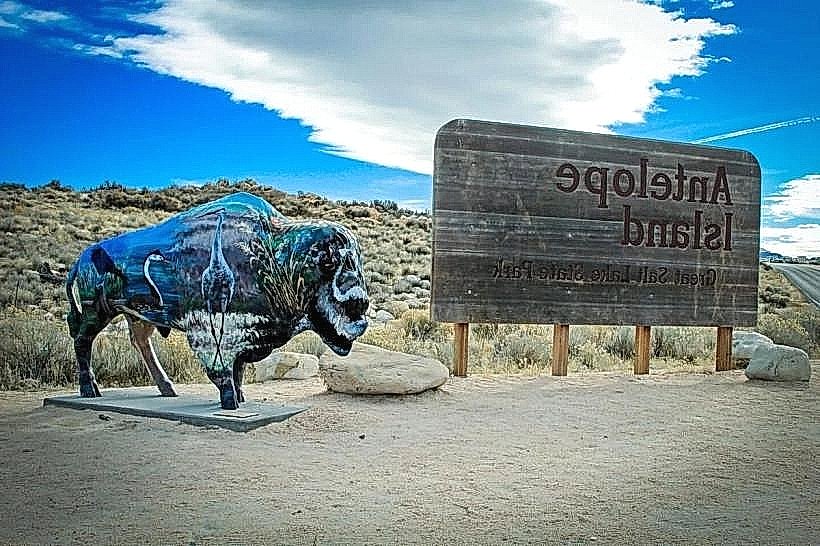
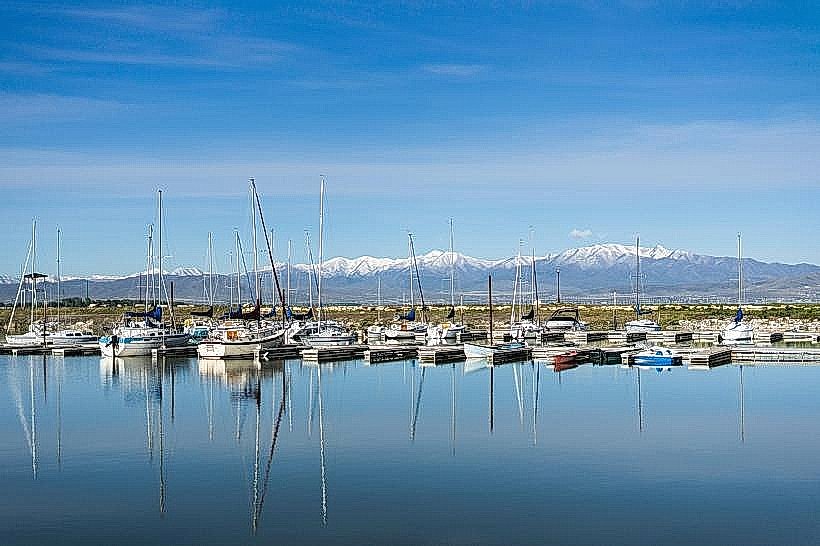
Great Salt Lake: Located just west of the city, notable for its high salinity and the Antelope Island State Park.
Transportation Network
Movement is facilitated by the Utah Transit Authority (UTA), which operates TRAX (light rail), FrontRunner (commuter rail), and a comprehensive bus system. The "Free Fare Zone" allows for complimentary travel within the downtown core. Salt Lake City International Airport (SLC) is a major Delta Air Lines hub located 10 minutes from downtown. The city follows a unique grid system where addresses are coordinates relative to Temple Square (e.g., 900 South 300 East).
Safety & "Red Zones"
The general safety level is moderate. Violent crime is relatively low compared to similar-sized U.S. cities, but property crime (larceny and bike theft) is significant. Areas west of I-15 and certain sections of the "Rio Grande" district near the Pioneer Park area report higher rates of crime and homelessness. Standard urban vigilance is recommended after dark in these sectors.
Digital & Financial Infrastructure
Average internet speed is 500–1000 Mbps, with widespread fiber availability via Google Fiber, CenturyLink (Lumen), and Utopia Fiber. Salt Lake City is the center of "Silicon Slopes," a major national tech corridor. Main mobile carriers are Verizon, T-Mobile, and AT&T. Card acceptance is universal.
Climate & Air Quality
Temperatures range from -6°C to 3°C in winter (January) and 18°C to 34°C in summer (July). The city experiences a semi-arid climate with four distinct seasons. A significant environmental risk is the Winter Inversion, where cold air traps pollutants in the valley, leading to "Unhealthy" AQI levels (Particulate Matter 2.5) for several weeks between December and February.
Culture & Social Norms
The standard tipping rate is 18–20%. Greetings are polite and often informal. While the LDS Church exerts significant cultural influence, the city itself is politically liberal and secular. Alcohol laws are distinct: draught beer is capped at 5% ABV; higher-percentage beer, wine, and spirits are sold only at state-run liquor stores or licensed restaurants.
Accommodation Zones
Downtown: Stay here for proximity to Temple Square, the Salt Palace Convention Center, and TRAX access.
University of Utah / Foothills: Stay here for higher elevation, cooler temperatures, and proximity to medical facilities.
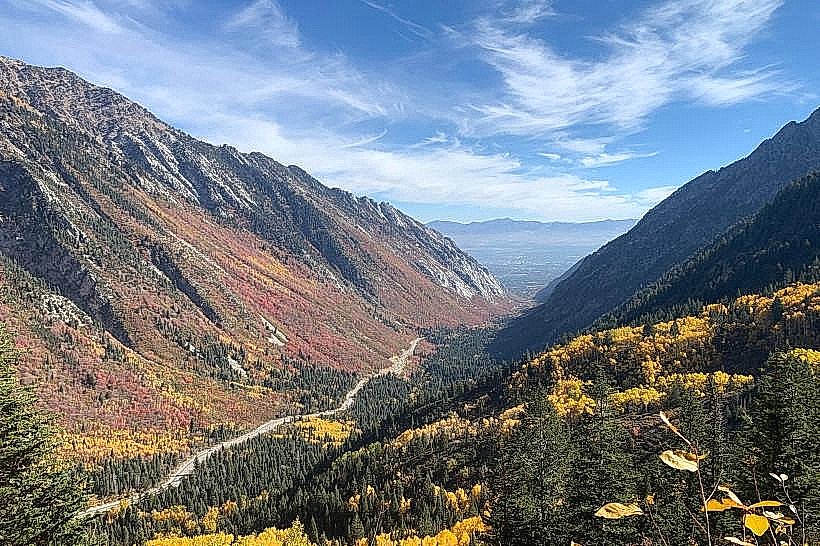
Midvale / Sandy (South): Stay here for cheaper rates and easier access to Big and Little Cottonwood Canyons (skiing).
Local Cost Index
1 Espresso: $4.75
1 Standard Lunch: $17.00
1 TRAX One-Way Fare: $2.50 (Free in downtown zone)
Nearby Day Trips
Park City: (50 km - Luxury skiing and Sundance Film Festival hub)
Big/Little Cottonwood Canyons: (35 km - Home to Alta, Snowbird, Solitude, and Brighton resorts)
Antelope Island State Park: (65 km)
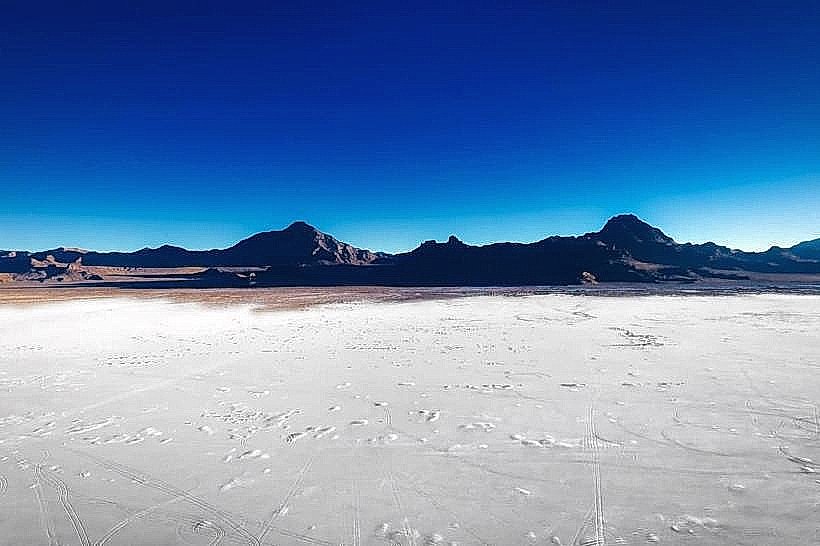
Bonneville Salt Flats: (180 km)
Facts & Legends
Salt Lake City is the only U.S. capital with a name consisting of three words. A local legend involves the "Miracle of the Gulls," where a massive flock of seagulls supposedly saved the pioneers' first crops from a cricket plague in 1848; the California Gull is now the state bird. A verified historical oddity is that the city’s streets were designed to be 132 feet (40 meters) wide-sufficiently broad for a team of eight oxen and a wagon to turn around without "resorting to profanity."