Information
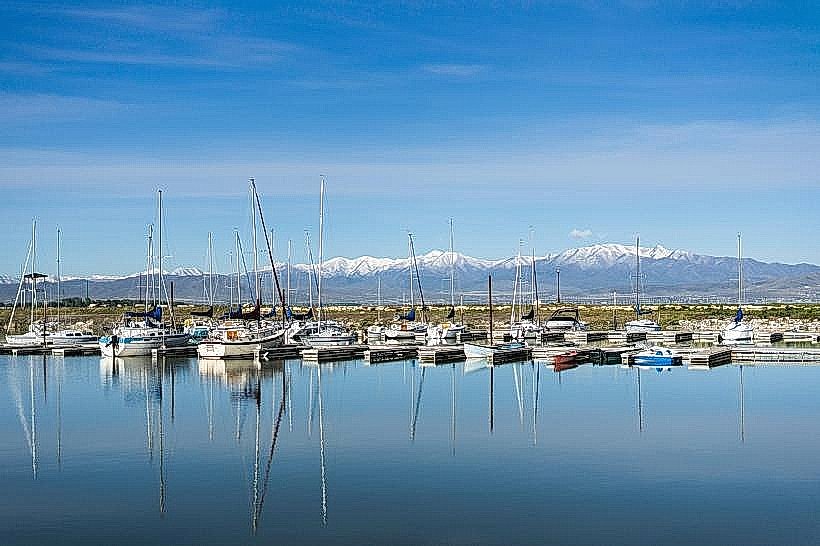
Landmark: Bonneville Salt FlatsCity: Salt Lake City
Country: USA Utah
Continent: North America
Bonneville Salt Flats, Salt Lake City, USA Utah, North America
The Lebanon Farmers Market is an outdoor public market located in Lebanon, New Hampshire. It operates seasonally, offering local produce and artisanal goods.
Visual Characteristics
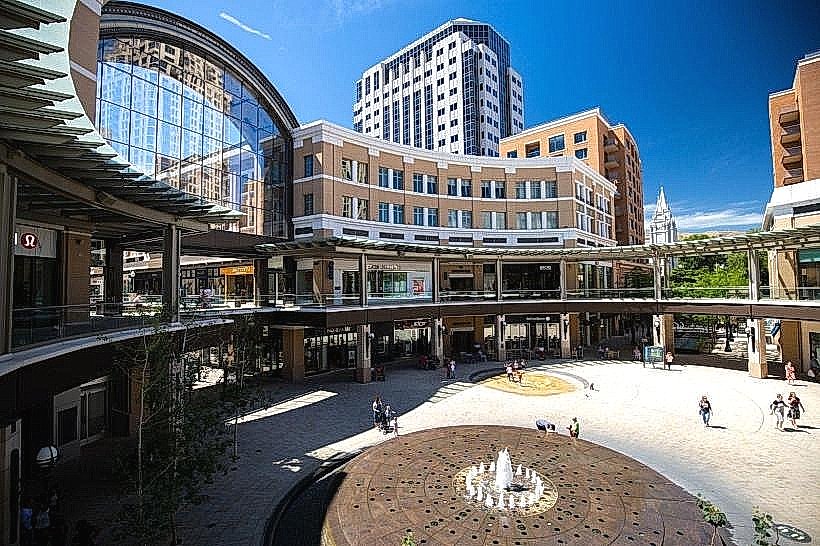
The market is situated in a paved town square. Vendors typically set up temporary stalls with canopies. The area is characterized by surrounding brick buildings and a central fountain.
Location & Access Logistics
The market is located at 7 School Street, Lebanon, NH 03766, in the heart of downtown Lebanon. It is approximately 0.2km from the main intersection of Main Street and School Street. On-street parking is available on surrounding streets, with metered spots and some free short-term parking. The Lebanon Transit bus system serves the downtown area with multiple routes stopping within a 0.1km radius of the market.
Historical & Ecological Origin
The Lebanon Farmers Market has been a community gathering point for decades, evolving from informal roadside sales to a structured market. Its origin is tied to the agricultural heritage of the Upper Connecticut River Valley, providing a direct sales channel for local farmers. The land itself is part of the historical downtown development of Lebanon, established in the late 18th century.
Key Highlights & Activities
Purchase seasonal fruits and vegetables directly from growers. Browse artisanal products including baked goods, cheeses, and crafts. Engage with local producers and learn about their farming practices. Live music performances are sometimes scheduled.
Infrastructure & Amenities
Restrooms are available in nearby public buildings. Limited shaded areas are provided by vendor canopies. Cell phone signal (4G/5G) is generally strong in the downtown area. Food vendors are present within the market, offering prepared items.
Best Time to Visit
The market operates on Saturdays from May through October. The best time for photography is generally between 9:00 AM and 11:00 AM, when lighting is softer and crowds are present but not at peak. The peak season for produce availability is typically July through September.
Facts & Legends
A specific local tradition involves the "first tomato" contest held annually in early summer, where local gardeners compete to bring the first ripe tomato of the season to the market. The market square itself is rumored to have been a gathering point for town meetings since the early 19th century.
Nearby Landmarks
- Colburn Park (0.1km North)
- Lebanon Opera House (0.1km North)
- Town Hall (0.1km North)
- Upper Valley Food Co-op (0.3km West)
- The Latchis Theatre (0.2km North)