Information
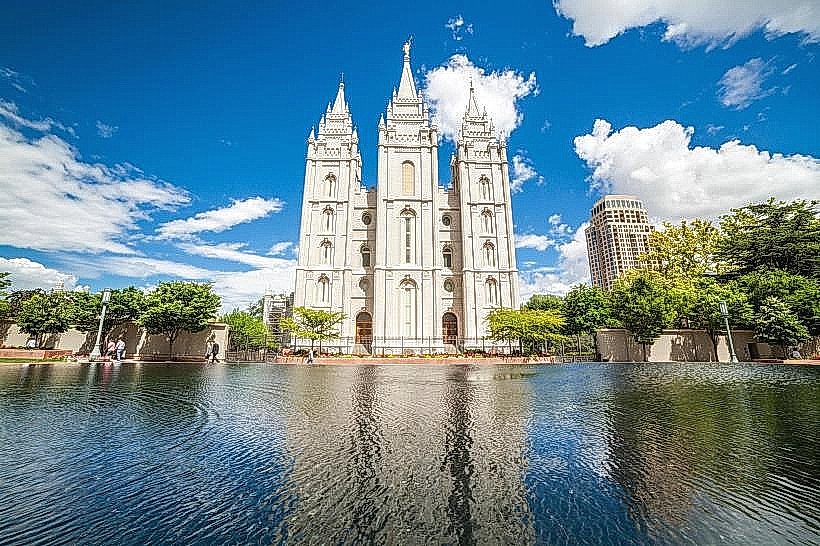
Landmark: Temple SquareCity: Salt Lake City
Country: USA Utah
Continent: North America
Temple Square, Salt Lake City, USA Utah, North America
Mount Washington Valley is a geographical region located in Carroll County, New Hampshire, USA. It is characterized by a series of valleys and mountains, with Mount Washington being the highest peak in the northeastern United States.
Visual Characteristics
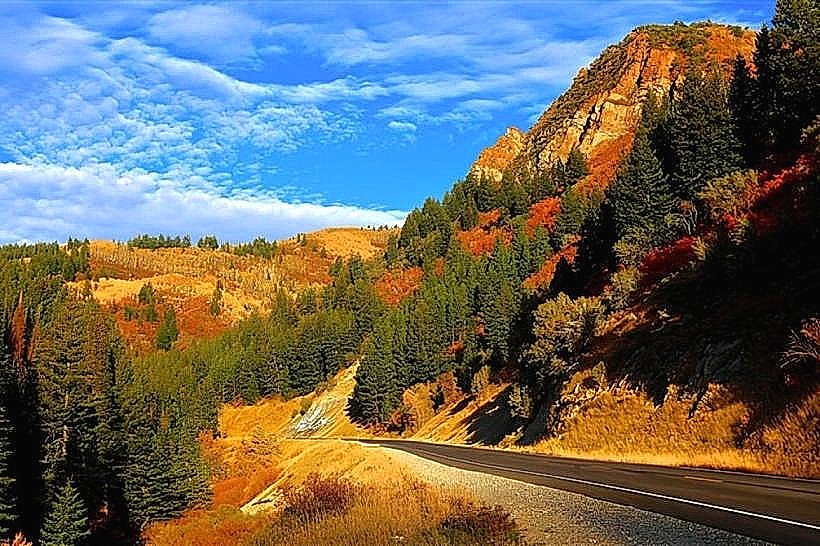
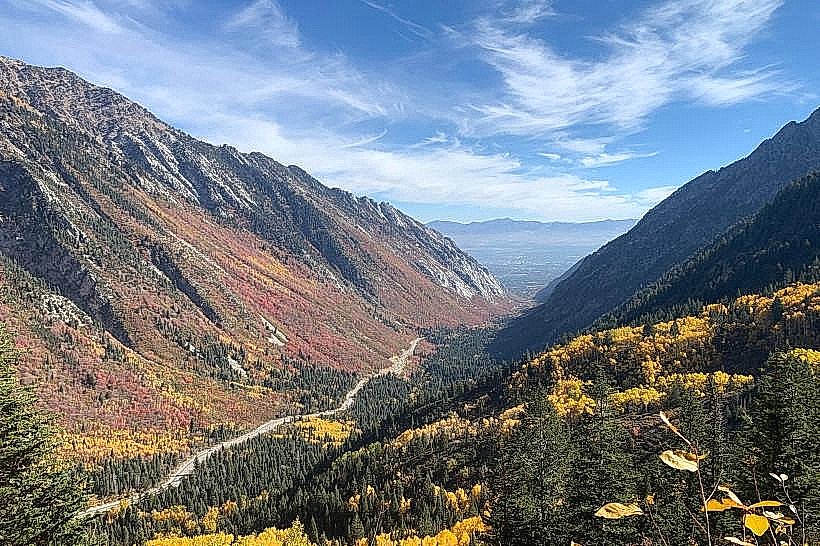
The valley floor is primarily composed of glacial till and outwash plains, supporting mixed deciduous and coniferous forests. Dominant tree species include eastern hemlock, white pine, and sugar maple. The terrain rises steeply to mountainous slopes, featuring exposed granite outcrops and scree fields at higher elevations. River systems, such as the Saco River, carve through the valley, exhibiting clear, cold water.
Location & Access Logistics
Mount Washington Valley is situated in eastern New Hampshire. Access from Boston, Massachusetts, is typically via Interstate 93 North to Exit 44, then US Route 3 North, followed by NH Route 112 East (the Kancamagus Highway). From Portland, Maine, take I-95 North to the Spaulding Turnpike (NH-16 North) towards North Conway. Major towns within the valley include North Conway, Conway, and Jackson. Parking is available at designated trailheads and visitor centers, with fees often applicable. Public transport options are limited; however, seasonal shuttle services may operate to specific trailheads during peak visitor periods.
Historical & Ecological Origin
The valley was shaped by glacial activity during the last ice age, with glaciers carving out the U-shaped valleys and depositing moraines and outwash plains. The region is part of the White Mountain National Forest, established in 1918 to protect the headwaters of rivers and conserve the forest. Historically, the area was utilized by Native American tribes and later by European settlers for logging and agriculture.
Key Highlights & Activities
Hiking is a primary activity, with trails ranging from easy valley walks to strenuous mountain ascents. The Mount Washington Auto Road provides vehicle access to the summit of Mount Washington. Scenic drives, particularly along the Kancamagus Highway, offer numerous pull-offs for viewing. Rock climbing opportunities exist on various granite formations. In winter, activities include skiing, snowboarding, and snowshoeing at local resorts.
Infrastructure & Amenities
Restrooms are available at major trailheads, visitor centers, and in the towns within the valley. Shaded areas are common within the forested sections of the valley and at designated picnic sites. Cell phone signal strength varies significantly, with reliable 4G/5G service generally found in populated areas and along major roadways, but often absent in remote hiking locations. Food vendors and restaurants are concentrated in the towns of North Conway and Jackson.
Best Time to Visit
For hiking and outdoor activities, late spring through early autumn (May to October) is generally recommended. The peak foliage season, typically mid-September to early October, offers specific visual appeal. For summit access via the Auto Road, it is generally open from late May to mid-October, weather permitting. Winter visits require preparation for cold temperatures and snow. Photography is best in the early morning or late afternoon for softer light, especially during autumn.
Facts & Legends
Mount Washington is notorious for its extreme weather. The summit recorded the highest wind gust ever measured at the Earth's surface, 231 mph (372 km/h), on April 12, 1934. A local legend speaks of the "Old Man of the Mountain," a rock formation that resembled a profile, which was a significant landmark until its collapse in 2003.
Nearby Landmarks
- White Horse Ledge (1.5km West)
- Diana's Baths (3.0km Northwest)
- Echo Lake State Park (4.0km Southwest)
- Saco River (Variable, runs through the valley)
- Black Cap Conservation Area (5.0km North)