Information
Landmark: Bupyeong 1950s Culture StreetCity: Incheon
Country: South Korea
Continent: Asia
Bupyeong 1950s Culture Street, Incheon, South Korea, Asia
Overview
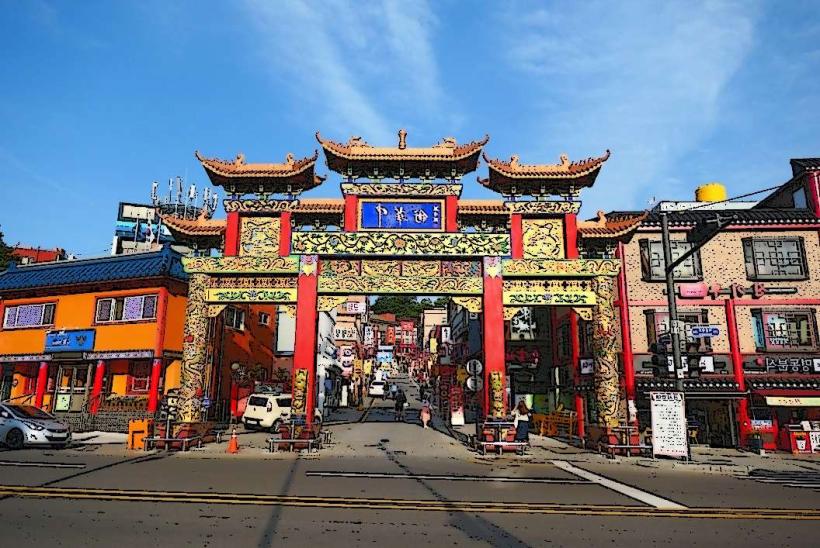
Curiously, Bupyeong 1950s Culture Street (부평 1950s 문화거리) in Incheon bursts with retro energy, inviting you to wander past vintage shopfronts, bold patterns, and the timeless charm of mid-century style, consequently the street is built to capture the feel of the years just after the Korean War, a time when shop signs hung crooked in the wind and the nation was pushing through rapid economic recovery and sweeping cultural change, in some ways From what I can see, Here’s what stands out about Bupyeong’s 1950s Culture Street: 1, meanwhile in the 1950s, Korea began rebuilding its cities and industries, pushing toward economic growth after the Korean War’s devastation from 1950 to 1953.The war hit Bupyeong hard, and in the years after, the town changed quickly-novel shops sprang up where rubble once lay, as a result bupyeong 1950s Culture Street brings the neighborhood’s past to life, capturing the bustle, music, and spirit of the era while keeping its memories alive.Step two says to stick with the exact same meaning as the original, simultaneously the street captures the spirit of the 1950s, with faded neon signs, weathered shopfronts, and warm pools of light from aged street lamps, pulling visitors straight into mid‑century Korea.Sturdy post-war buildings line the streets, their weathered brick and simple facades giving visitors a rare chance to glimpse daily life from that time, in conjunction with three.Bupyeong 1950s Culture Street brims with retro cafés where the smell of fresh espresso drifts out the door, antique shops stacked with brass clocks, and tiny boutiques offering vintage treasures, second-hand finds, and keepsakes from the ’50s and ’60s, while plenty of the cafés and restaurants channel a 1950s vibe, with classic Korean furniture, crackling aged radios, and worn treasures that echo everyday life from mid-century Korea, to some extent Just so you know, On this street, you can taste historic-time flavors-steaming bowls of traditional Korean stew, crisp vintage snacks locals once bought from corner stalls, and drinks that carry the warmth of the past, then number four.On Bupyeong 1950s Culture Street, you’ll find everything from the warm hum of traditional music to glowing art displays and bustling craft fairs, all steeped in the charm and style of the 1950s, also these events let visitors step into the cultural and artistic world of the past, where they might hear the faint scratch of a quill on parchment.As it turns out, Alongside the regular exhibitions, you can catch film screenings and stage plays that bring Korea’s vibrant 1950s cultural scene to life, from flickering black‑and‑white reels to lively period costumes, meanwhile five, kind of Curiously, All around the neighborhood, sparkling splashes of paint and bold murals bring 1950s Korean life to the walls-antique diners, vintage signs, and faces caught mid-laughter, moreover these art installations bring the era to life, from scenes of crowded street markets to classic Korean films and snapshots of pivotal historical events.Number six, to boot traditional Korean Items: On this street, you can browse stalls piled with goods once found in every 1950s home, from brass bowls to handwoven baskets.Shops here might offer aged-fashioned toys, racks of vintage clothes, handmade crafts, and classic Korean treats-soft, chewy tteok and tiny plates of savory banchan, not only that in a few specialty shops, you’ll find Korean pottery, wooden tools, and other household pieces from the era-smooth clay bowls, carved spoons-that make browsing feel like stepping back in time, partially Seven, at the same time historical landmarks and architecture fill the area, from graceful Hanok houses with curved tile roofs to sturdy post-war buildings and carefully restored structures that still echo the 1950s.Visitors can stroll at an easy pace, passing weathered brick walls and carved wooden doors that reflect the country’s swift urban growth and transformation after the Korean War, alternatively eight.Inspired by Korean cinema, the street captures the spirit of the 1950s-a time when the industry was transforming-and pays tribute to that golden era with film posters fading softly in the sun, not only that along the street, you’ll spot classical movie posters, weathered billboards, and bits of memorabilia from classic Korean films, turning the amble into a nostalgic trip for any movie lover.Nine, also local Market Vibe: Alongside its cultural and historical treasures, Bupyeong 1950s Culture Street buzzes with the lively calls of vendors and the warm scent of street food drifting through the air.Street vendors dish out tteokbokki’s fiery rice cakes, warm bungeoppang with sweet red bean filling, and syrupy hotteok, stirring the air with the nostalgic flavors of a bygone street food scene, in turn blending historic-style market stalls with a touch of 1950s charm, the area buzzes with energy that draws in both locals and visitors.Ten, as a result family-Friendly: This street welcomes families, with everything from a petite playground to events that keep all ages entertained.Not surprisingly, Kids can tinker with vintage toys and play timeworn-school games, while adults soak in the warm nostalgia and the rich history that lingers in the air, not only that bupyeong 1950s Culture Street draws you in with its charm, inviting you to wander past ancient shopfronts and step straight into the heart of Korea’s post-war culture.With its retro buildings, timeworn-fashioned shop signs, sizzling street food, and lively energy, it’s a spot where locals and visitors alike can soak in the spirit of Korea’s 1950s, equally important whether you’re drawn to vintage dresses, the smell of street‑side tteokbokki, bold mid‑century art, or retro storefronts, Bupyeong 1950s Culture Street pulls you right into the charm and energy of the era.
Author: Tourist Landmarks
Date: 2025-09-16